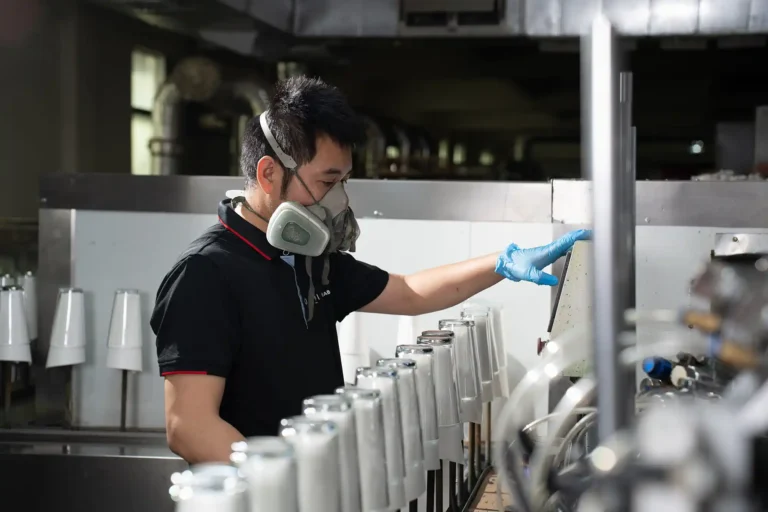
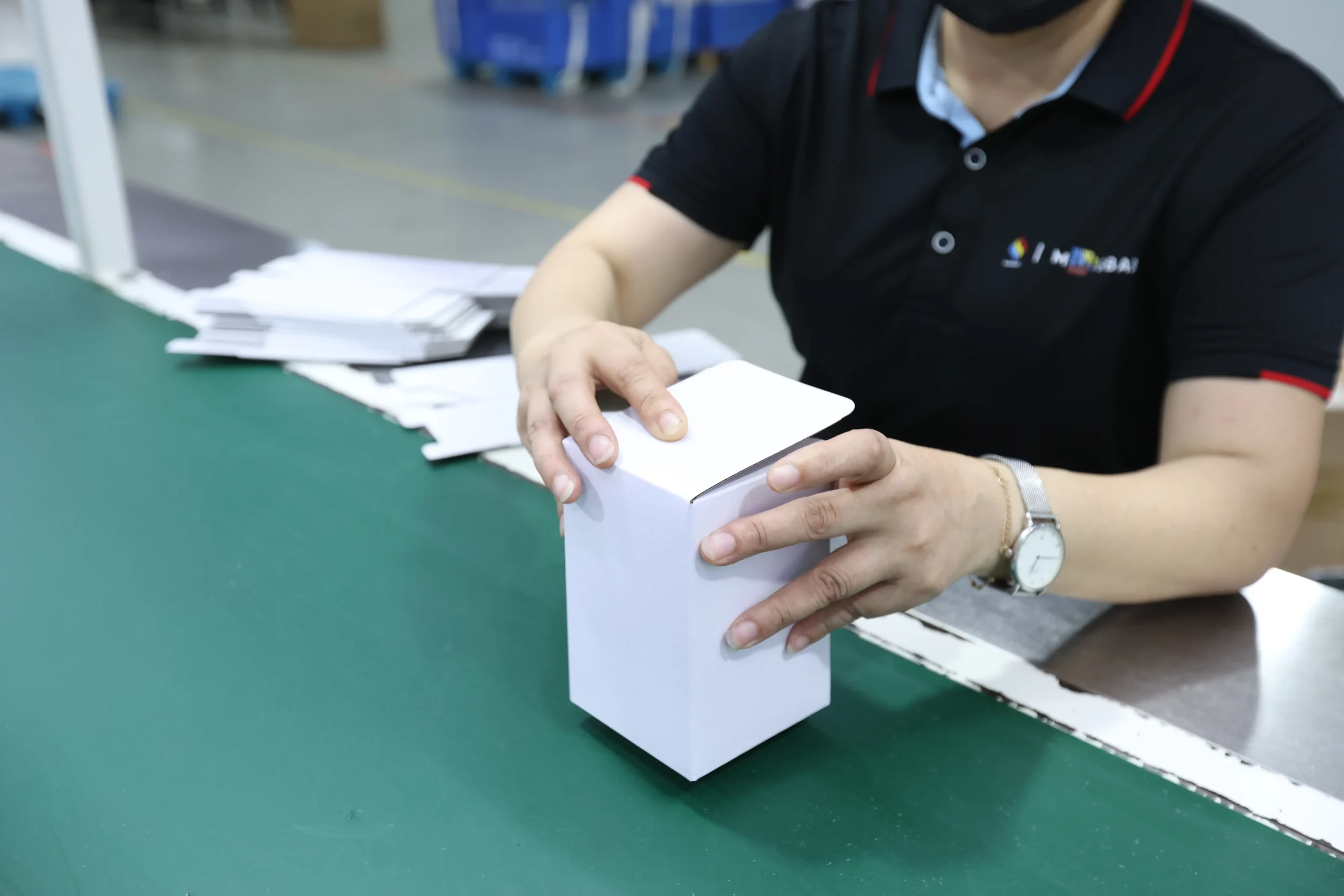
A quality control checklist for custom drinkware orders prevents small production issues from becoming expensive claims. A wrong material, weak print, or missed in-process inspection can damage both your brand and your buyer relationship. I use a structured checklist because drinkware quality is not “selected out” at the end. It is controlled during production.
A quality control checklist for custom drinkware orders should cover cup body materials, food-contact safety, printing accuracy, decoration durability, packaging, AQL inspection, and IPQC controls during manufacturing. Buyers should verify plastic, stainless steel, aluminum, ceramic, and glass specifications with documents, physical tests, and supplier process records before approving shipment.
Custom drinkware looks simple from the outside. However, each material and decoration method has its own risk points. Below, I break down the checklist I would use when evaluating a factory, approving samples, and controlling bulk production for OEM or ODM drinkware programs.
What Should a Quality Control Checklist for Custom Drinkware Orders Include First?
A quality control checklist for custom drinkware orders should start with the cup body because the body determines safety, durability, and product positioning. If the base material is wrong, later inspection cannot fully repair the risk. Buyers often focus on logos first, but I always check the body before decoration.
A complete checklist should first confirm the cup body material, food-contact suitability, thickness, dimensions, appearance, function, and buyer-approved specifications. For plastic, stainless steel, aluminum, ceramic, and glass drinkware, buyers should verify both supplier documents and physical evidence during pre-production and bulk inspection.
Cup Body Inspection Comes Before Decoration
In my experience, many drinkware quality problems start before printing begins. A factory can print a beautiful logo on the wrong material. A perfect decal cannot fix weak ceramic. A polished stainless steel tumbler still creates risk if the steel grade does not match the approved specification.
For custom drinkware programs, I usually separate body inspection into five material groups:
- Plastic cups
- Stainless steel cups
- Aluminum bottles or cups
- Ceramic mugs
- Glass cups or bottles
Each material needs its own control points.
Plastic Drinkware: Confirm New Material and Material Grade
For plastic cups, buyers should confirm whether the factory uses new material, recycled material, or mixed material. In many promotional and retail drinkware projects, clients request food-grade PP, AS, Tritan, PET, or other approved plastics. The exact resin depends on the product use.
I would normally ask for:
- Material declaration from the supplier
- Food-contact test report for the relevant market
- Resin identification or purchasing record when needed
- Color masterbatch compliance document
- Odor check after production
- Visual check for black dots, flow marks, bubbles, and deformation
Plastic drinkware also needs practical testing. A cup may pass a basic appearance check but fail when exposed to hot water, dishwashing, or repeated use. Buyers should define whether the item is for cold drinks only, hot drinks, reusable retail use, or promotional short-term use.
Stainless Steel Drinkware: Verify 304 or Better Material
For stainless steel cups, I pay close attention to whether the product uses 304 stainless steel or a better grade required by the buyer. Many buyers expect 304 for the inner liner because it offers good corrosion resistance for food and beverage contact.
A helpful control point is a steel grade stamp, such as “304,” on the product or inner bottom when the design allows it. A stamp is not a complete guarantee, but it creates traceability and legal responsibility for the factory. If a factory changes the material after approval, the stamped claim becomes important evidence.
Buyers should still verify the material with documents and, for higher-risk orders, professional testing.
| Stainless Steel Checkpoint | What to Verify | Why It Matters |
|---|---|---|
| Inner liner grade | 304, 316, or buyer-approved grade | Direct food-contact safety and corrosion resistance |
| Outer shell grade | 201, 304, or approved grade | Cost, strength, corrosion resistance |
| Steel stamp | Present if required | Improves accountability |
| Salt spray or corrosion test | Based on buyer standard | Checks surface durability |
| Welding and polishing | Smooth and clean | Reduces leakage and hygiene risk |
Aluminum Drinkware: Check for 1070 When Required
For aluminum cups or bottles, I am especially careful with material grade. In some buyer specifications, aluminum 1070 is preferred or required for food-contact aluminum drinkware. I have also seen strong price competition create pressure for factories to propose lower-cost material alternatives.
If a supplier suggests 1060 aluminum, buyers should treat it as a risk unless it is clearly accepted in the product specification and supported by appropriate food-contact compliance documents. I would not approve a material change only because the target price is difficult.
A good checklist should include:
- Aluminum grade confirmation
- Supplier material declaration
- Food-contact test report
- Inner coating inspection, if applicable
- Odor and residue check
- Wall thickness and forming quality check
I believe buyers should avoid “silent substitutions.” If the material changes, the buyer should approve it in writing before production.
Ceramic Drinkware: Thermal Shock Matters
For ceramic mugs, I focus on thermal shock resistance. Ceramic can look perfect after firing, but it may crack when exposed to sudden temperature changes. A practical benchmark I often use is whether the ceramic body can handle rapid temperature movement from about 150°C high temperature to 20°C low temperature without visible cracks.
The exact test method should match the buyer’s standard and the product use. However, the logic is simple. A mug must survive real use. Hot coffee, cold rinsing, dishwashing, and shipping stress all place pressure on the body.
Ceramic body checks should include:
- Glaze smoothness
- Pinholes and black spots
- Deformation
- Handle strength
- Water absorption where relevant
- Thermal shock performance
- Lead and cadmium compliance for food-contact surfaces
The cup body is the foundation of the order. If this stage is weak, the final product may look acceptable during carton inspection but fail in the hands of consumers.
How Should Buyers Inspect Printing Quality in Custom Drinkware Orders?
Printing quality creates the first visual impression of custom drinkware orders, but it also affects compliance and durability. A logo can be off-position, a color can drift, or a decal can fail after oil contact. These problems are frustrating because they are visible and often avoidable with clear standards.
Buyers should inspect print registration, logo position, color accuracy, food-safe ink or decal materials, heavy metal migration, adhesion, abrasion resistance, and curing quality. High-temperature printing should be lead-free and cadmium-free when required, while low-temperature decals need stronger durability checks such as oil contact and cross-hatch testing.
Printing Is Both a Branding Issue and a Safety Issue
I often tell buyers that printing is not only a cosmetic process. It is also a material process. The ink, decal, coating, curing temperature, and placement all matter. When a cup is customized for retail, gifting, events, or brand promotion, the decoration must match the approved artwork and remain stable during normal use.
The most common printing quality risks include:
- Misaligned multi-color printing
- Wrong logo size or position
- Color difference from approved sample
- Weak adhesion
- Scratches during packing
- Decal peeling
- Lead or cadmium risk in ceramic decoration
- Odor from coating or ink
- Ink migration risk near drinking areas
Registration Accuracy Should Be Checked Early
Print registration means the different colors or layers align correctly. On curved surfaces, this is harder than on flat paper. A small shift may make text look blurred or make a logo look cheap.
For custom drinkware, I would define registration tolerance before production. For example:
| Print Item | Suggested Control Method | Typical Risk |
|---|---|---|
| Logo position | Measure from rim, bottom, seam, or handle | Logo too high, low, or rotated |
| Multi-color print | Compare color overlap with artwork | Ghosting or blurred edges |
| Wraparound design | Check join line alignment | Broken pattern |
| Text and barcode | Readability check | Retail rejection |
| Pantone color | Compare under standard light | Brand color mismatch |
For premium brand orders, the buyer should approve a pre-production sample before mass production. The factory should then use that sample as the production standard.
Food-Safe Printing Materials Need Documentation
Printing materials should be suitable for the target market and intended use. This is especially important when decoration is near the rim, inside the cup, or on ceramic surfaces that may contact drinks or lips.
For high-temperature ceramic printing, buyers often request lead-free and cadmium-free decoration. Some buyer standards use very low heavy metal migration thresholds. In some programs, an acceptance level such as 0.1 mg/L migration may be used for specific heavy metal tests. Buyers should confirm the exact legal and customer requirement for the destination market.
I recommend asking for:
- Ink or decal material declaration
- Food-contact compliance report
- Lead and cadmium test report when relevant
- Production batch traceability
- Confirmation that decoration placement matches approved use
Low-Temperature Decals Need Adhesion Testing
Low-temperature decals can be attractive and cost-effective. However, they need careful durability checks. I pay special attention to adhesion because weak decals may peel, scratch, or fail after contact with oil or detergent.
Useful tests include:
- Cross-hatch test: A grid is cut into the print, tape is applied, and adhesion is evaluated after removal.
- Oil resistance test: The printed area is exposed to oil to check whether the decal softens, peels, or discolors.
- Tape test: Adhesive tape checks basic print bonding.
- Rubbing test: Dry and wet rubbing checks surface durability.
- Dishwasher test: Required only if the product claims dishwasher safety.
Printing Checklist for Buyers
A practical printing inspection checklist should include:
- Artwork version matches buyer approval
- Logo size matches technical drawing
- Position is within tolerance
- Color matches approved sample or Pantone reference
- Edges are clean
- No missing ink, bubbles, dust, or scratches
- Print does not touch restricted food-contact areas unless approved
- Ink, decal, or coating documents are available
- Adhesion test passes the agreed standard
- Packing method protects the print
Printing is where brand value becomes visible. However, good print quality depends on process control, not only final sorting. That is why I always connect printing inspection with factory IPQC performance.
Why Is IPQC Critical for a Quality Control Checklist for Custom Drinkware Orders?
IPQC is critical in a quality control checklist for custom drinkware orders because good quality is controlled during production, not selected only at final inspection. If a factory checks materials, forming, printing, assembly, and packing in process, buyers have a much better chance of receiving stable bulk quality.
IPQC, or In-Process Quality Control, monitors production while goods are being made. For custom drinkware, strong IPQC should include incoming material checks, first-article approval, patrol inspection, internal testing, defect records, corrective actions, and final release controls before shipment inspection.
Quality Is Controlled, Not Picked Out
One idea guides most of my quality work: good quality is not picked out; it is controlled out of the process. Final inspection is important, but it happens late. At that point, the goods are already produced, packed, and close to shipment. If the defect rate is high, rework becomes expensive and delivery becomes risky.
IPQC helps prevent that situation.
For drinkware factories, IPQC usually covers:
- Incoming material inspection
- First-piece inspection
- Line patrol inspection
- Process parameter control
- Internal function testing
- Printing adhesion checks
- Random appearance checks
- Packaging checks
- Non-conforming product control
- Corrective action records
What Good IPQC Looks Like in a Drinkware Factory
When I visit or evaluate a factory, I do not only look at certificates on the wall. I look for quality behavior on the production floor. A good factory can usually show real inspection records, defect samples, test equipment, and clear responsibility.
A strong IPQC system may include:
| IPQC Stage | Control Point | Buyer Benefit |
|---|---|---|
| Incoming QC | Material grade, resin, steel, aluminum, glaze, ink | Reduces wrong-material risk |
| First Article Inspection | First approved unit before mass production | Prevents repeated batch defects |
| Forming Process Check | Dimensions, weight, wall thickness, shape | Controls fit and function |
| Printing Process Check | Position, color, adhesion, curing | Controls logo and decoration quality |
| Assembly Check | Lid fit, seal, straw, handle, accessories | Reduces leakage and missing parts |
| Internal Testing | Thermal shock, adhesion, leakage, drop test | Finds failures before final inspection |
| Packing Inspection | Carton marks, protection, barcode, quantity | Reduces logistics and retail issues |
First-Piece Approval Is Essential
Before mass production runs at full speed, the factory should produce and approve a first piece or first batch. This sample should be checked against:
- Approved golden sample
- Artwork file
- Technical drawing
- Material specification
- Color standard
- Packaging instruction
- Function requirements
If the first piece fails, production should stop until the issue is corrected. This simple rule prevents hundreds or thousands of defective units from being made.
Internal Testing Shows Factory Discipline
I trust factories more when they perform internal tests before the buyer asks. For color-changing drinkware, for example, the factory should test whether the color-change effect appears at the expected temperature and remains consistent after use. For ceramic mugs, the factory should test thermal shock. For printed cups, the factory should test adhesion. For bottles, the factory should test leakage.
Internal tests do not replace third-party testing when the buyer requires it. However, they show that the factory understands process control.
Useful IPQC Questions to Ask a Supplier
Buyers can ask simple but powerful questions:
- What tests do you perform during production?
- How often does IPQC inspect each line?
- Do you keep inspection records by order number?
- What happens when a defect is found?
- Can you show defect samples and corrective actions?
- Who approves the first article?
- Are printing adhesion tests done before packing?
- Are material batches traceable?
A factory that answers clearly is usually easier to manage. A factory that only says “don’t worry” may require closer buyer supervision.
For custom drinkware orders, IPQC is one of the best ways to identify whether a supplier is mature. Certificates are useful documents, and buyers should verify them. However, daily control behavior often tells the real story.
How Should Buyers Check Food-Contact Safety and Compliance?
Food-contact safety can be confusing because each market has different rules. A drinkware item may look normal, but material migration, heavy metals, coatings, or unsafe decoration can create compliance risk. Buyers cannot rely only on appearance. They need documents, testing, and supplier traceability.
Buyers should check food-contact safety by confirming the target market, material specification, applicable regulations, supplier declarations, third-party test reports, and production batch consistency. For application-specific decisions, buyers should use qualified laboratories, compliance consultants, or legal professionals instead of relying only on supplier claims.
Compliance Starts With the Destination Market
The first question is not “Is this cup safe?” The first question is: Safe and compliant for which market and use?
A cup for the United States may need different documentation from a cup for the European Union, Japan, Korea, or another region. A product for cold drinks may need different evaluation from a product for hot coffee. A ceramic mug may require heavy metal migration testing. A stainless steel tumbler may require metal composition and migration checks. A plastic cup may need resin and additive compliance.
Common compliance reference areas include:
- FDA-related food-contact requirements for the U.S. market
- EU food-contact framework requirements
- LFGB-related expectations for Germany
- California Proposition 65 warning evaluation where relevant
- Heavy metal migration testing for ceramic and glass decoration
- BPA-free claims when applicable
- Dishwasher or microwave claims, if printed on packaging
I recommend buyers confirm the exact requirements with qualified professionals. A supplier can provide documents, but the buyer should verify whether those documents match the product, material, market, and production batch.
Documents Buyers Should Request
A food-contact document package may include:
| Document | What It Shows | Buyer Caution |
|---|---|---|
| Material declaration | Supplier states material grade or resin | Must match actual production |
| Test report | Product passed certain lab tests | Check date, model, material, and lab |
| MSDS or SDS | Chemical safety information | Not the same as food-contact approval |
| Compliance certificate | Supplier summary of compliance | Verify with supporting reports |
| Batch record | Material used for the order | Helps traceability |
| Artwork and decoration approval | Printing location and material | Important for migration risk |
A test report is not always enough. Buyers should check whether the tested item is the same as the ordered item. If the report is for a different cup, different coating, different decal, or different factory, it may not protect the buyer.
Heavy Metals in Ceramic and Printing
Ceramic mugs and decorated glassware require special attention to lead and cadmium. High-temperature decoration can be stable when properly controlled. However, buyers should still ask for relevant test reports.
For some programs, buyers may use strict migration thresholds, such as 0.1 mg/L for certain heavy metal release checks. The exact limit depends on the standard, market, and test method. I would not treat one number as universal. Instead, I would include it in the buyer’s technical file if that is the agreed acceptance criterion.
Important control points include:
- Inside glaze safety
- Rim area decoration
- High-temperature decal formulation
- Low-temperature coating risk
- Firing temperature control
- Batch-to-batch consistency
Claims Need Evidence
Drinkware often carries marketing claims. Common examples include:
- BPA-free
- Lead-free
- Cadmium-free
- Dishwasher safe
- Microwave safe
- Food grade
- 304 stainless steel
- Recyclable
- Color changing
Each claim should be supported by evidence. For example, if a cup is labeled “dishwasher safe,” the buyer should define the dishwasher test method and number of cycles. If a stainless steel bottle claims “304,” the buyer should verify material documents and, when necessary, laboratory testing.
Color-Changing Drinkware Needs Extra Review
Because my business focuses on color-changing drinkware, I pay close attention to thermochromic materials. Color-changing products are innovative and attractive, but they require stronger control because they include functional pigments or coatings.
Buyers should check:
- Color-change temperature range
- Color recovery after cooling
- Coating adhesion
- Odor after hot water exposure
- Food-contact separation if coating is outside
- Washing durability
- Safety documentation for thermochromic materials
Color-changing drinkware can be a strong product category for brands. However, buyers should evaluate it as both a visual product and a functional material system.
What Final Inspection Standard Should Buyers Use for Custom Drinkware Orders?
Final inspection for custom drinkware orders should confirm whether the finished goods match the approved sample, purchase order, artwork, packaging file, and quality standard. Without a clear inspection standard, buyers and suppliers may disagree about what counts as acceptable, minor, major, or critical.
Buyers should use a written final inspection checklist with AQL sampling, defect classification, measurement tolerances, functional tests, packaging checks, and shipment document review. The inspection should verify appearance, material markings, printing, assembly, leakage, safety warnings, barcodes, cartons, and quantity before shipment release.
Final Inspection Should Not Be the First Real Inspection
Final inspection is important, but it should not be the first time quality is checked. If IPQC is strong, final inspection confirms stability. If IPQC is weak, final inspection becomes a rescue attempt.
For custom drinkware orders, final inspection usually happens when at least 80% of goods are packed and the rest are finished. Buyers or third-party inspectors often use AQL sampling.
AQL Sampling Basics
AQL means Acceptable Quality Limit. It is a statistical sampling method used in many consumer goods inspections. Buyers choose inspection levels and acceptable defect limits based on product risk.
A common setup may look like this:
| Defect Type | Meaning | Example in Drinkware |
|---|---|---|
| Critical defect | Safety, legal, or serious user risk | Sharp edge, toxic material concern, broken glass inside carton |
| Major defect | Product may be rejected by consumer or retailer | Leakage, wrong logo, severe scratch, wrong material mark |
| Minor defect | Small appearance issue that does not affect use | Tiny speck, slight color variation within tolerance |
Typical AQL settings vary by buyer and product. Some buyers use:
- Critical: 0
- Major: 2.5
- Minor: 4.0
However, buyers should define their own standard. Higher-risk products, premium retail products, and food-contact products may need stricter inspection.
Appearance Inspection Checklist
Appearance matters because drinkware is often a gift, retail item, or brand-touch product. Inspectors should check:
- Scratches
- Dents
- Black spots
- Color difference
- Deformation
- Uneven polishing
- Poor glaze
- Bubbles
- Pinholes
- Dirty surface
- Sharp edges
- Bad smell
- Poor logo clarity
For ceramic mugs, inspectors should also check handle cracks, glaze defects, base stability, and rim smoothness. For stainless steel tumblers, inspectors should check polishing, welding, lid fit, and inner cleanliness. For plastic cups, inspectors should check injection marks, flash, odor, and transparency.
Functional Testing Checklist
Different drinkware types require different functional tests.
| Product Type | Useful Final Tests |
|---|---|
| Stainless steel tumbler | Leakage, lid fit, insulation check, capacity, odor |
| Plastic cup | Drop test, lid fit, deformation, odor, capacity |
| Aluminum bottle | Leakage, coating, dent resistance, thread fit |
| Ceramic mug | Thermal shock, handle strength, capacity, stability |
| Glass bottle | Leakage, glass defects, cap torque, breakage risk |
| Color-changing cup | Temperature response, color uniformity, adhesion |
For vacuum insulated bottles, buyers may request a heat retention test. For example, the inspector may fill the bottle with hot water and measure temperature drop over a defined time. The method should be agreed before production.
Packaging and Carton Checks
Packaging problems can create losses even when the product itself is acceptable. I have seen good cups become damaged because cartons were weak, dividers were missing, or products rubbed against each other during transport.
A final packaging checklist should include:
- Unit box size and print
- Barcode readability
- Warning labels
- Instruction sheet
- Polybag thickness and suffocation warning where required
- Inner divider or protective wrap
- Carton strength
- Carton marks
- Quantity per carton
- Gross weight and net weight
- Drop test result if required
- Pallet requirement if applicable
Retail buyers often care about barcode accuracy and shelf-ready packaging. Promotional buyers often care about logo accuracy and delivery timing. Both need packing control.
Shipment Release Decision
Before shipment, buyers should review:
- Final inspection report
- Test reports required by the order
- Production photos if needed
- Packing list
- Carton marks
- Quantity confirmation
- Corrective action report for any failed items
- Buyer approval for deviations, if any
If a defect is found, the buyer should not only ask “Can you replace it?” The better question is: Why did this defect happen, and could it exist in other cartons? That question leads to root-cause thinking.
How Can Buyers Evaluate a Drinkware Supplier Before Placing Bulk Orders?
Supplier selection is one of the strongest controls for custom drinkware orders. A good supplier reduces risk before production starts. A weak supplier may offer a low price, but buyers often pay later through delays, claims, rework, or customer complaints.
Buyers should evaluate a drinkware supplier by reviewing manufacturing experience, material control, IPQC system, test capability, sample accuracy, communication speed, compliance documents, production capacity, and history with similar products. Factory audits, verified certificates, and trial orders can help reduce supplier selection risk.
Price Is Important, But It Is Not the Whole Evaluation
Drinkware is a competitive industry. I understand target prices because I work with trade companies and international buyers who face margin pressure. However, a very low price usually comes from somewhere. It may come from efficient production, but it may also come from cheaper materials, weaker inspection, thinner packaging, or less experienced workers.
A practical supplier evaluation should include both commercial and technical factors.
Supplier Evaluation Table
| Evaluation Area | What to Ask | Why It Matters |
|---|---|---|
| Experience | How many years in drinkware manufacturing? | Reduces learning-curve risk |
| Product range | Plastic, glass, ceramic, aluminum, stainless steel? | Shows process capability |
| OEM/ODM ability | Can the factory develop molds and custom designs? | Important for brand programs |
| Material control | Can material batches be traced? | Reduces substitution risk |
| IPQC system | Are there in-process records? | Controls quality before final inspection |
| Testing ability | What internal tests are available? | Finds issues earlier |
| Compliance documents | Are reports product-specific and current? | Supports market access |
| Communication | Are replies clear and technical? | Reduces misunderstanding |
| Capacity | Can the factory meet order quantity and timing? | Reduces delivery risk |
| Corrective action | How does the factory handle defects? | Shows responsibility |
Ask for Evidence, Not Only Promises
I prefer suppliers who can show evidence. For example, if a factory says it uses 304 stainless steel, I want to see material records, stamps where possible, and testing options. If a factory says its ceramic mugs resist thermal shock, I want to see the test method. If a factory says its low-temperature decal is strong, I want to see adhesion test results.
Useful evidence includes:
- Production records
- Incoming material inspection forms
- IPQC patrol sheets
- Test photos or videos
- Third-party reports
- Golden sample retention
- Defect library
- Corrective action reports
- Factory audit reports
- Customer reference experience, where available
Factory Certificates Should Be Verified
Many buyers ask for factory certifications or audits. These documents can be helpful, but they should be verified. Buyers should check whether the certificate is valid, whether the factory name and address match, and whether the scope covers the product being ordered.
Common documents may include:
- Quality management certificates
- Social compliance audits
- Retailer audit reports
- Food-contact test reports
- Product safety test reports
A certificate is not a substitute for order-specific control. It is one part of the supplier evaluation package.
Trial Orders Can Reduce Risk
For a new supplier or new product, a trial order is often useful. The buyer can test communication, sampling accuracy, production control, packing quality, and delivery discipline before placing a large order.
A trial order should still follow a clear checklist:
- Confirm technical specification
- Approve physical sample
- Confirm compliance documents
- Define inspection standard
- Monitor production photos or video
- Perform final inspection
- Review defects after delivery
- Decide whether to scale up
What I Look for as a Manufacturer
As a manufacturer with long experience in color-changing and customized drinkware, I know buyers want more than a low quotation. They want stable quality, clear communication, and fewer surprises. When I work with serious trade companies or overseas brands, I try to make specifications visible before production starts.
For example, I prefer to confirm:
- Material grade before quotation is finalized
- Print method before sampling
- Testing requirements before mass production
- Packaging structure before carton production
- AQL standard before final inspection
This approach reduces disputes. It also protects both the buyer and the factory.
Frequently Asked Questions
What is the most important item in a quality control checklist for custom drinkware orders?
The most important item is material verification because food-contact safety and durability start with the cup body. Buyers should confirm plastic resin, stainless steel grade, aluminum grade, ceramic body strength, glass quality, and related compliance documents before focusing on decoration or packaging.
How do I check whether stainless steel drinkware is really 304?
Buyers can request material declarations, supplier purchase records, steel grade stamps where possible, and third-party material testing. A “304” stamp improves traceability, but it should not be the only evidence. For high-risk or premium orders, qualified laboratory testing is safer.
What tests should I request for printed logos on drinkware?
Buyers should request print position checks, color comparison, adhesion testing, tape testing, rubbing testing, and cross-hatch testing where suitable. For ceramic or glass decoration, buyers should also review lead and cadmium test reports based on the target market and buyer standard.
Why is IPQC better than only doing final inspection?
IPQC checks quality during production, so problems can be corrected before thousands of units are finished. Final inspection is still necessary, but it happens late. Strong IPQC reduces rework, shipment delays, and random quality variation in custom drinkware production.
Should I use third-party testing for drinkware compliance?
Yes, buyers should use qualified third-party laboratories when compliance, food-contact safety, or market access is important. Supplier documents are useful, but buyers should verify that test reports match the exact product, material, decoration, and destination market.
Conclusion
A quality control checklist for custom drinkware orders should control the full process, not only the final carton. I would start with cup body material, then check printing safety and durability, IPQC records, compliance documents, final inspection, and supplier capability. For color-changing drinkware, I would add extra checks for thermochromic performance and coating stability. If you need an experienced OEM/ODM manufacturer for plastic, glass, ceramic, aluminum, or stainless steel drinkware, I can help you build a practical checklist for your next bulk order.