
Introduction
Choosing the right plastic material for custom drinkware impacts appearance, durability, costs, decoration options, and user experience. Different plastics excel in transparency, heat resistance, or large-scale production.
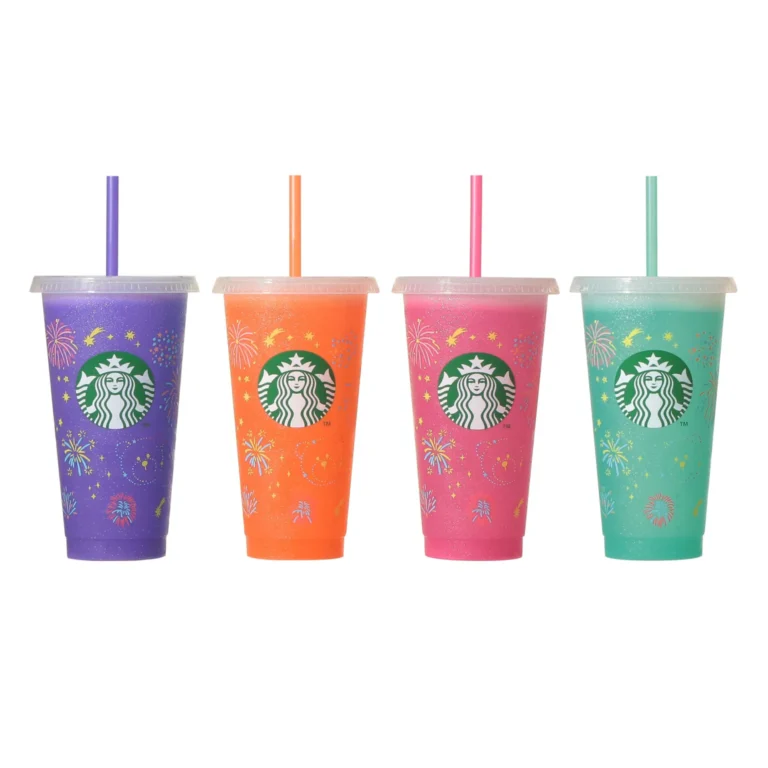
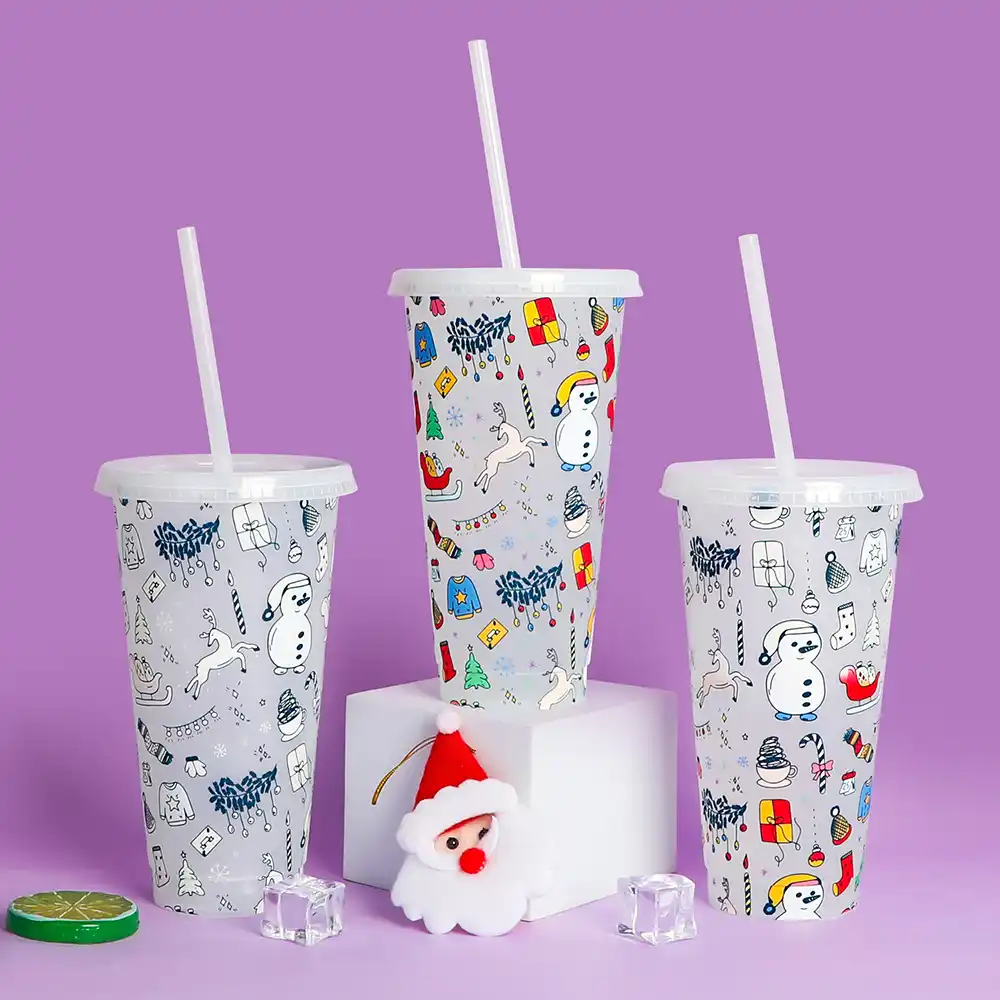
At Mugbaby, PP (Polypropylene) is a top recommendation, especially for products using In-Mold Labeling (IML) technology. This guide covers common food-contact-suitable plastics, their properties, applications, and cost implications.
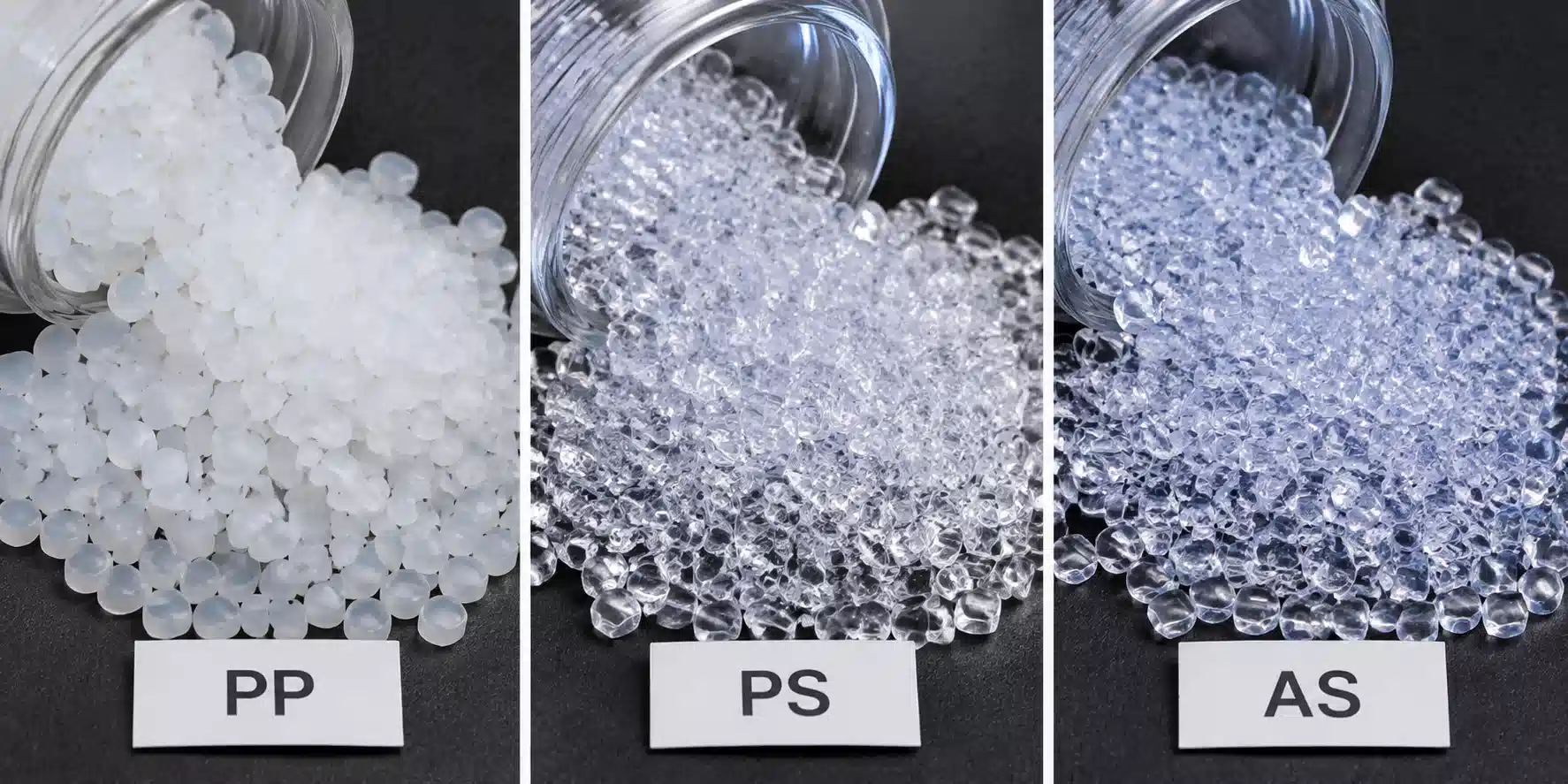
Understanding Plastic Materials for Drinkware
Thermoplastics are commonly used in drinkware due to their ability to soften when heated and solidify when cooled, making them ideal for injection molding, extrusion, and thermoforming.
Key factors to consider when selecting a material:
- Transparency: Crystal-clear, translucent, or solid color?
- Impact Resistance: For repeated use or drop-prone environments?
- Heat Resistance: Suitable for cold, warm, or hot beverages?
- Chemical Resistance: Can it handle beverages and cleaning agents?
- Decoration Compatibility: Supports screen printing, decals, IML, etc.?
- Material Cost: Fits your budget?
- Food Contact Compliance: Meets market regulations?
The best material balances design, use, manufacturing, and budget.
PP – Polypropylene: Our Recommended Choice
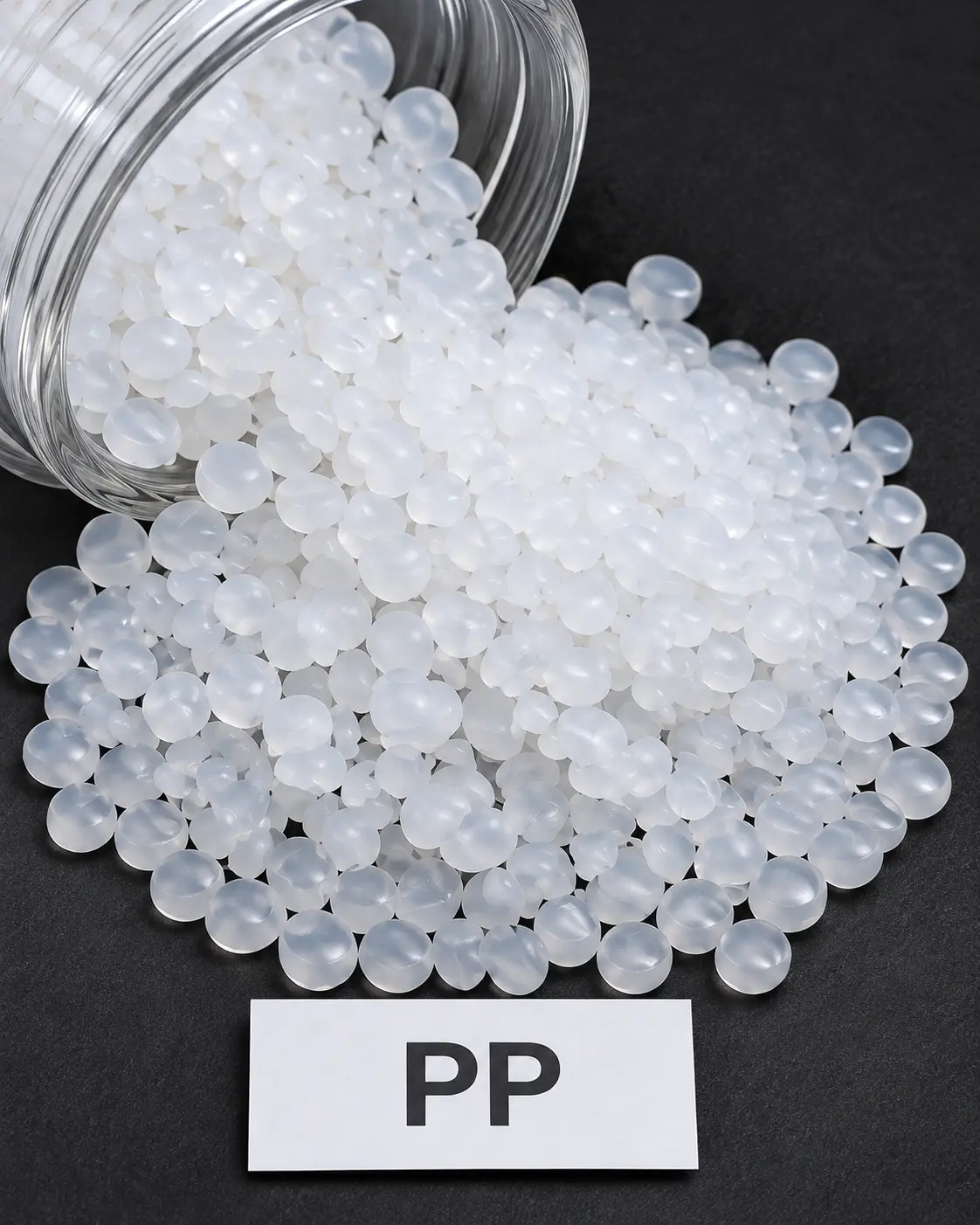
PP (Polypropylene) is widely used in food containers and drinkware due to its cost-effectiveness, lightweight nature, chemical resistance, and flexibility.
Key Properties
| Property | Description |
|---|---|
| Transparency | Translucent or opaque |
| Weight | Lightweight |
| Impact Resistance | Good |
| Heat Resistance | Better than PET and PS |
| Chemical Resistance | Good |
| Processing | Injection molding |
| Cost | Economical |
Why We Recommend PP
- Cost-Effective: Ideal for large-volume projects like promotional cups and reusable tumblers.
- Lightweight: Easy to carry and distribute.
- Chemical Resistance: Handles various beverages and cleaning agents.
- Flexible Design: Suitable for diverse shapes and accessories.
Why PP Works Well with IML
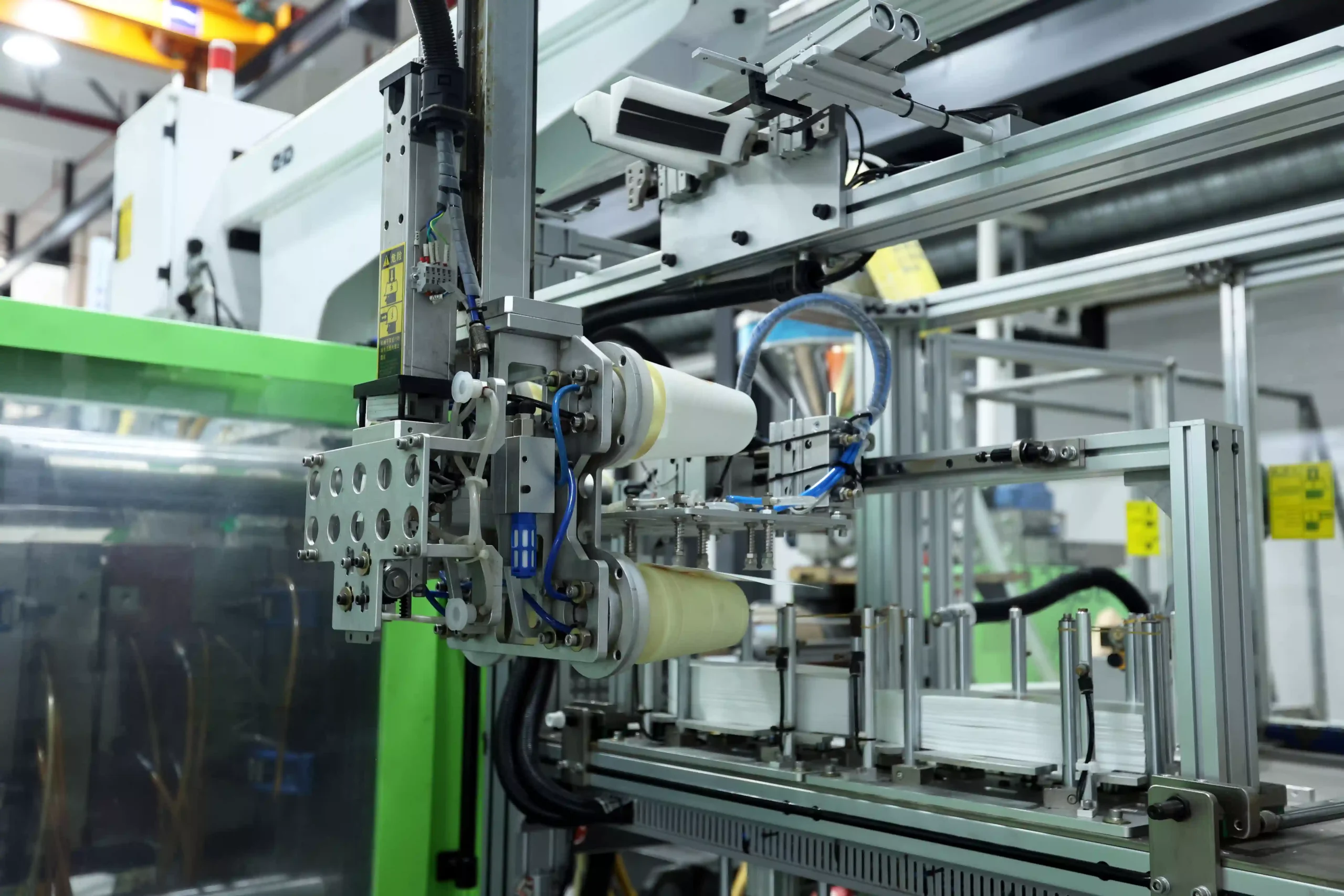
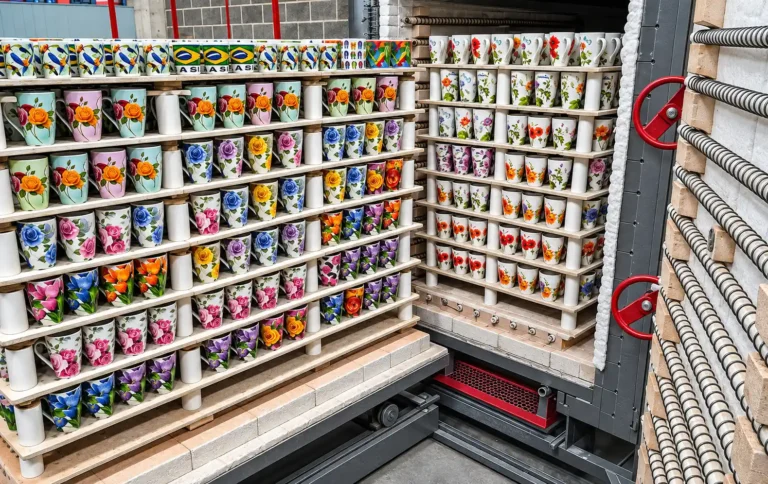
IML integrates pre-printed labels into the cup surface during molding, offering:
- Integrated Decoration: Graphics become part of the cup.
- Protected Graphics: Designs are abrasion-resistant.
- Full-Surface Printing: Supports detailed, wraparound designs.
- Efficient Production: Combines molding and decoration in one step.
Limitations of PP
- Not crystal clear like PET or Tritan.
- More prone to scratching than harder plastics.
- Impact performance can drop at low temperatures.
- IML requires compatible films and precise molding parameters.
Common Applications
- Reusable cups
- Promotional tumblers
- IML-decorated cups
- Cold drink cups
Recommendation: For cost-effective custom cups with full-surface graphics, PP + IML is an excellent choice.
PET – Polyethylene Terephthalate
PET is known for its excellent transparency, making it ideal for clear cold drink cups.1
Key Properties
| Property | Description |
|---|---|
| Transparency | Excellent |
| Weight | Lightweight |
| Impact Resistance | Moderate |
| Heat Resistance | Limited |
| Chemical Resistance | Good |
| Processing | Injection molding, thermoforming |
| Cost | Economical |
Advantages
- Crystal-clear appearance.
- Lightweight.
- Good barrier properties.
Limitations
- Limited heat resistance.
- Best for cold beverages.
Common Applications
- Transparent cold drink cups
- Iced coffee and juice cups
- Disposable beverage containers
When to choose PET: For clear cups showcasing beverages, PET is ideal.
Tritan – Copolyester
Tritan, a branded copolyester, is popular for premium reusable drinkware due to its transparency, toughness, and BPA-free status.2
Key Properties
| Property | Description |
|---|---|
| Transparency | Excellent |
| Weight | Lightweight |
| Impact Resistance | Excellent |
| Heat Resistance | Good |
| Chemical Resistance | Varies by grade |
| Processing | Injection molding |
| Cost | Premium |
Advantages
- Glass-like clarity.
- Impact-resistant.
- BPA-free.
- Suitable for reusable bottles and cups.
Limitations
- Higher cost.
- Chemical compatibility varies.
- Not always dishwasher-safe.
Common Applications
- Premium reusable bottles
- Transparent tumblers
- Sports bottles
When to choose Tritan: For high-quality, reusable, transparent drinkware.
AS / SAN – Acrylonitrile Styrene
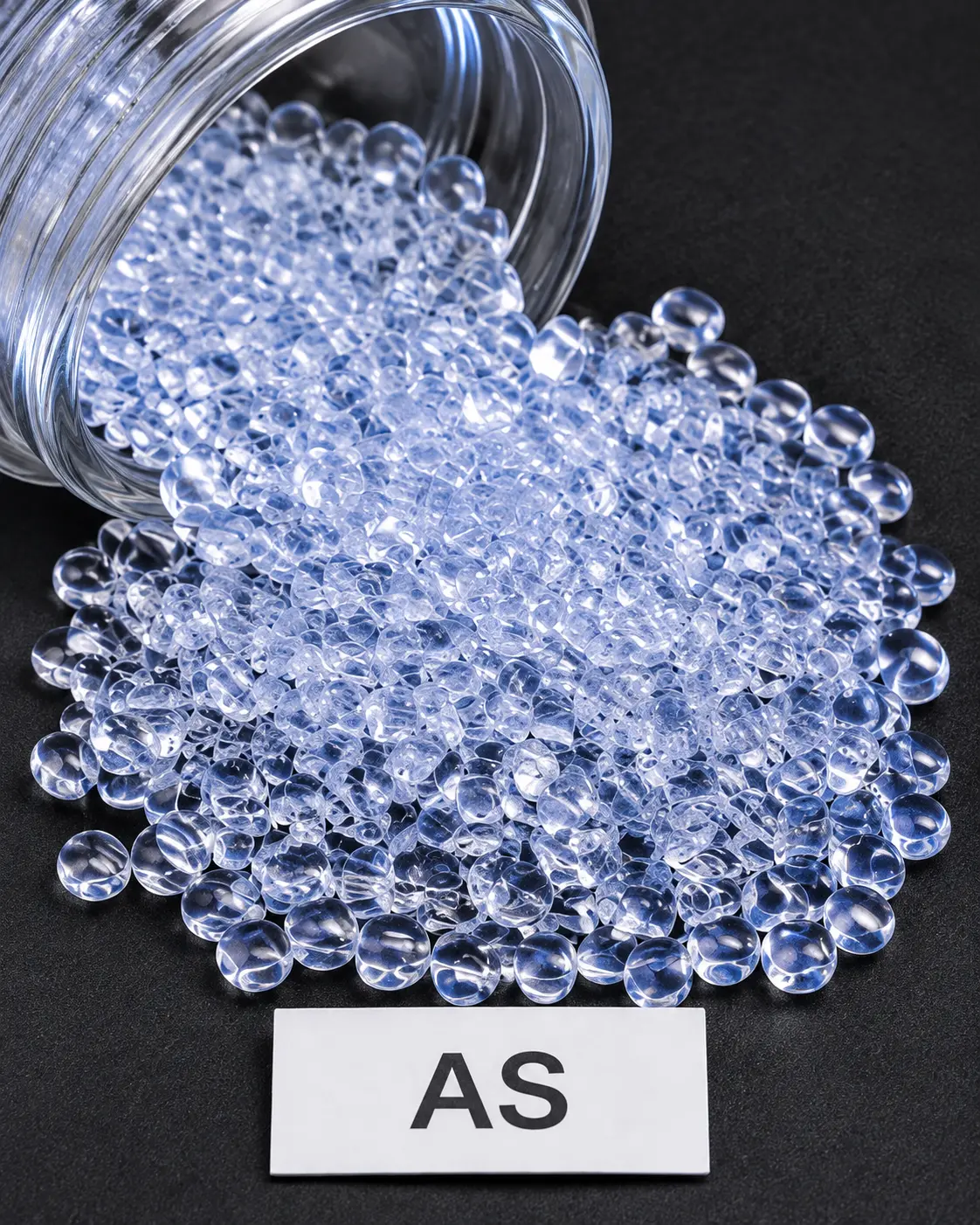
AS (or SAN) is a rigid, transparent plastic often used in decorative drinkware.3
Key Properties
| Property | Description |
|---|---|
| Transparency | Excellent |
| Weight | Lightweight |
| Impact Resistance | Moderate |
| Heat Resistance | Moderate |
| Rigidity | Good |
| Processing | Injection molding |
| Cost | Moderate |
Advantages
- Clear and rigid.
- Good dimensional stability.
Limitations
- Brittle compared to PP and Tritan.
Common Applications
- Transparent cups
- Decorative drinkware
When to choose AS: For rigid, transparent designs without high impact requirements.
PS – Polystyrene
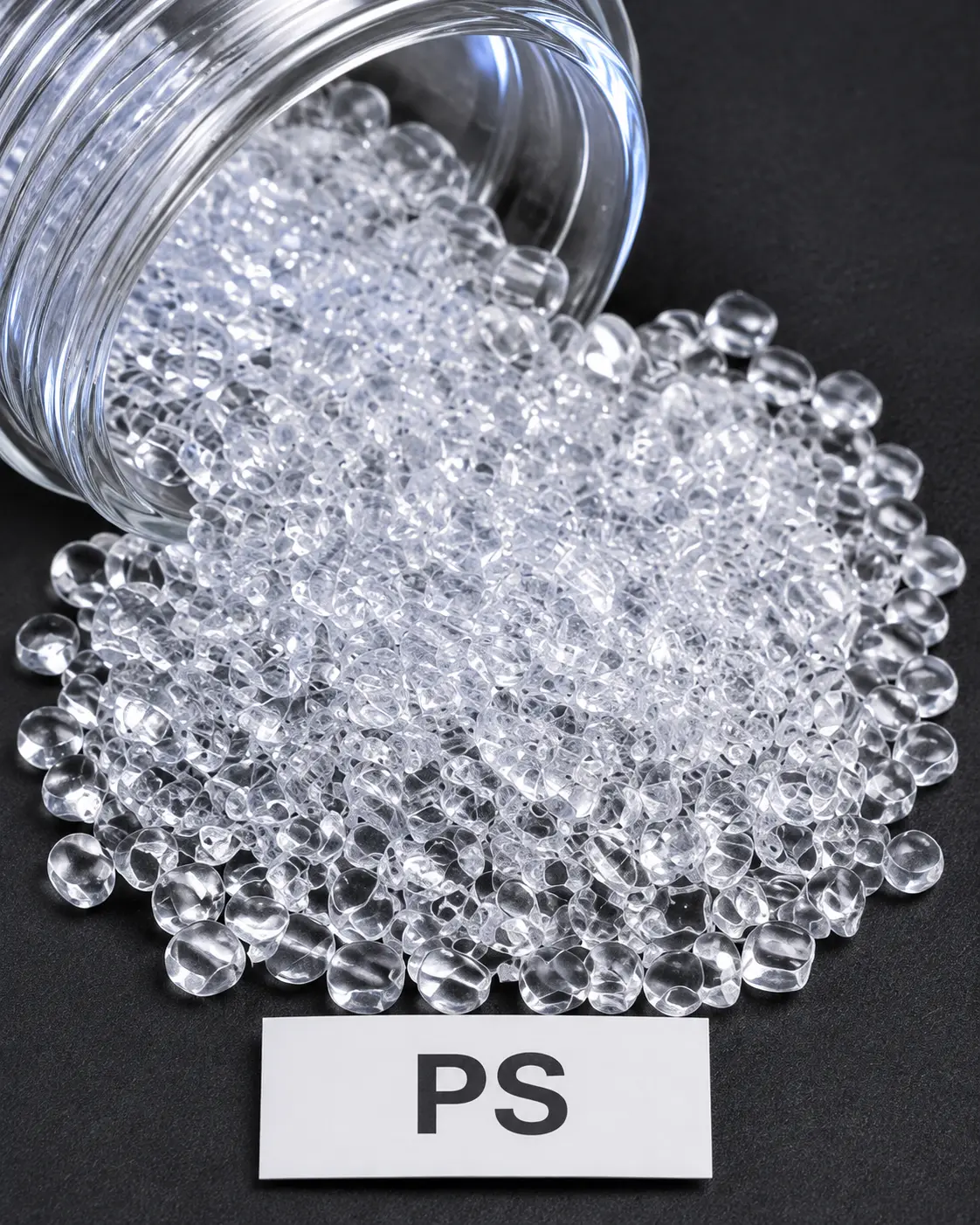
PS is a rigid, transparent plastic often used in disposable cups.4
Key Properties
| Property | Description |
|---|---|
| Transparency | Excellent |
| Weight | Lightweight |
| Impact Resistance | Low |
| Heat Resistance | Limited |
| Rigidity | Good |
| Processing | Injection molding, thermoforming |
| Cost | Economical |
Advantages
- Clear and rigid.
- Low cost.
Limitations
- Brittle and prone to cracking.
- Limited heat resistance.
Common Applications
- Disposable cups
- Rigid transparent drinkware
When to choose PS: For low-cost, transparent cups with limited durability needs.
Other Plastic Materials Used in Drinkware
HDPE – High-Density Polyethylene
HDPE is durable and chemical-resistant but typically opaque.5
Applications: Water bottles, reusable containers.
PLA – Polylactic Acid

PLA is a bio-based, compostable plastic for disposable drinkware.6
Applications: Compostable cold drink cups.
PC – Polycarbonate
PC offers excellent clarity and toughness but is associated with BPA concerns, leading to regulatory restrictions.7
Recommendation: Consider BPA-free alternatives like Tritan.
Plastic Materials for Cup Lids and Straws
Different components may use different materials:
| Component | Common Materials | Considerations |
|---|---|---|
| Cup body | PP, PET, Tritan | Appearance, strength |
| Lids | PP, PET | Fit, durability |
| Straws | PP, PET | Flexibility, transparency |
| Sealing rings | Silicone | Elasticity, sealing |
Evaluate the entire product to ensure compatibility.
Plastic Material Comparison Chart
| Material | Transparency | Impact Resistance | Heat Resistance | Cost |
|---|---|---|---|---|
| PP | Low to moderate | Good | Good | Economical |
| PET | Excellent | Moderate | Limited | Economical |
| Tritan | Excellent | Excellent | Good | Premium |
| AS | Excellent | Moderate | Moderate | Mid-range |
| PS | Excellent | Low | Limited | Economical |
| HDPE | Low | Good | Varies | Economical |
| PLA | Clear/translucent | Varies | Limited | Varies |
| PC | Excellent | Excellent | Good | Higher |
Plastic Resin Prices
Indicative Chinese market prices (November 2026):8
| Material | RMB/ton | USD/ton |
|---|---|---|
| PP | ¥11,200 | $1,681 |
| PET | ¥8,596 | $1,290 |
| PS | ¥12,520 | $1,879 |
| HDPE | ¥11,224 | $1,684 |
| PC | ¥14,833 | $2,225 |
Prices vary by grade, additives, and market conditions.
How to Choose the Right Plastic for Your Drinkware
| Requirement | Recommended Material | Why |
|---|---|---|
| Cost-effective cups | PP | Affordable, versatile |
| Full-wrap graphics | PP + IML | Integrated decoration |
| Clear cold drink cups | PET | Excellent transparency |
| Premium reusable bottles | Tritan | Durable, BPA-free |
| Rigid transparent cups | AS | Clarity, rigidity |
| Compostable cups | PLA | Eco-friendly |
Consider Decoration Method
Material choice affects decoration compatibility (e.g., IML works best with PP).
Food Contact Safety
Verify compliance with regulations (e.g., FDA, EU standards), migration testing, and BPA-free certifications.9 Request technical data and test reports.
How Mugbaby Helps
Mugbaby supports material selection, decoration methods, and production requirements. We recommend PP + IML for cost-effective, custom drinkware with full-surface graphics.
Frequently Asked Questions
Which plastic is best for drinking cups?
PP for cost-effectiveness; PET or Tritan for transparency.
Is PP safe for drinking cups?
Yes, if food-contact-compliant.
Why does Mugbaby recommend PP for IML cups?
PP integrates well with IML for durable, full-surface graphics.10
What is the difference between PET and PP cups?
PET is clearer; PP is more versatile and heat-resistant.
Is Tritan better than PP?
Tritan is premium and reusable; PP is economical.
Is PC plastic safe?
BPA concerns limit its use; consider alternatives like Tritan.
Final Thoughts
Choosing the right plastic balances performance, appearance, and cost. PP + IML is a top choice for custom drinkware with attractive graphics. Let Mugbaby help turn your ideas into products.
"Polyethylene terephthalate", https://en.wikipedia.org/wiki/Polyethylene_terephthalate. Polyethylene Terephthalate (PET) is widely recognized for its high transparency and is commonly used in beverage containers, as supported by material property studies. Evidence role: general_support; source type: research. Supports: PET's excellent transparency makes it suitable for clear cold drink cups.. Scope note: The source may not specifically address cold drink cups but broadly covers PET's transparency. ↩
"Tritan copolyester", https://en.wikipedia.org/wiki/Tritan_copolyester. Tritan copolyester is noted for its BPA-free composition, durability, and glass-like clarity, making it suitable for reusable drinkware, as highlighted in material safety and application studies. Evidence role: general_support; source type: research. Supports: Tritan's transparency, toughness, and BPA-free status make it popular for premium reusable drinkware.. Scope note: The source may not directly address its popularity but confirms its properties. ↩
"Survey of volatile substances in kitchen utensils made ... - PMC", https://pmc.ncbi.nlm.nih.gov/articles/PMC4048609/. Acrylonitrile Styrene (AS) is recognized for its rigidity and transparency, making it suitable for decorative drinkware, as noted in material application guides. Evidence role: general_support; source type: research. Supports: AS (or SAN) is a rigid, transparent plastic often used in decorative drinkware.. Scope note: The source may not specifically focus on decorative drinkware but broadly covers AS's properties. ↩
"Microplastic Release from Single-Use Plastic Beverage Cups", https://pmc.ncbi.nlm.nih.gov/articles/PMC11121293/. Polystyrene (PS) is commonly used in disposable drinkware due to its rigidity and transparency, as supported by material property studies. Evidence role: general_support; source type: research. Supports: PS is a rigid, transparent plastic often used in disposable cups.. Scope note: The source may not specifically address disposable cups but broadly covers PS's applications. ↩
"High-density polyethylene", https://en.wikipedia.org/wiki/High-density_polyethylene. High-Density Polyethylene (HDPE) is noted for its durability and chemical resistance, making it suitable for reusable containers, as described in material property databases. Evidence role: general_support; source type: research. Supports: HDPE is durable and chemical-resistant but typically opaque.. Scope note: The source may not specifically address drinkware but broadly covers HDPE's properties. ↩
"Environmental Planning Certificate - College of Social Sciences", https://socialsciences.fresnostate.edu/geography/epc.html. Polylactic Acid (PLA) is recognized for its compostability and bio-based origin, making it suitable for disposable drinkware, as supported by environmental material studies. Evidence role: general_support; source type: research. Supports: PLA is a bio-based, compostable plastic suitable for disposable drinkware.. Scope note: The source may focus on general compostable applications rather than drinkware-specific uses. ↩
"Bisphenol A (BPA) | National Institute of Environmental Health ...", https://www.niehs.nih.gov/health/topics/agents/sya-bpa. Polycarbonate (PC) is noted for its clarity and toughness but has faced regulatory restrictions due to BPA concerns, as outlined in government safety guidelines. Evidence role: expert_consensus; source type: government. Supports: PC's excellent clarity and toughness are offset by BPA concerns, leading to regulatory restrictions.. Scope note: The source may focus on BPA concerns broadly rather than PC's specific applications in drinkware. ↩
"Flat-to-Down Price Trajectory for the Five Commodity Resins", https://www.ptonline.com/articles/november-2026-flat-to-down-price-trajectory-for-the-five-commodity-resins. Plastic resin prices in China are subject to market fluctuations, with indicative rates available in industry reports and trade databases. Evidence role: statistic; source type: institution. Supports: The table provides indicative Chinese market prices for plastic resins as of November 2026.. Scope note: The source may provide general pricing trends rather than specific November 2026 data. ↩
"Food Packaging & Other Substances that Come in Contact ...", https://www.fda.gov/food/food-ingredients-packaging/food-packaging-other-substances-come-contact-food-information-consumers. Food-contact plastics must meet FDA and EU standards, including migration testing and BPA-free certifications, as outlined in regulatory guidelines. Evidence role: definition; source type: government. Supports: Drinkware materials should comply with FDA and EU standards, undergo migration testing, and have BPA-free certifications.. Scope note: The source may not address drinkware specifically but broadly covers food-contact materials. ↩
"In-Mold Labelling - an overview | ScienceDirect Topics", https://www.sciencedirect.com/topics/engineering/in-mold-labelling. Polypropylene (PP) is widely used in In-Mold Labeling (IML) applications due to its compatibility with the process and ability to produce durable graphics, as noted in manufacturing studies. Evidence role: mechanism; source type: research. Supports: PP integrates well with IML technology, enabling durable, full-surface graphics.. Scope note: The source may focus on general IML applications rather than specific drinkware examples. ↩