
Choosing the right cup capacity might seem straightforward, but for trade companies and experienced OEM buyers, the decision involves understanding consumer habits, beverage types, production constraints, and logistical considerations. Let’s explore popular cup capacities and how to evaluate which size fits your business and target market best.
The right cup capacity is not just about holding a certain amount of liquid; it’s an informed decision influenced by market trends, drink types, cup design, and operational efficiency.
When evaluating cup capacity, these factors shape the decision-making process. Below, I’ll break down popular capacities, key design trends, and why larger cups dominate modern demand.
Why are certain cup capacities so popular?
Selecting cup capacities isn’t just guesswork — it reflects clear market patterns driven by consumer behavior and usage habits.
Popular cup sizes, like 2 oz, 12 oz, or 40 oz, meet specific drink requirements or match standardized serving volumes, making them widespread in the beverage industry.
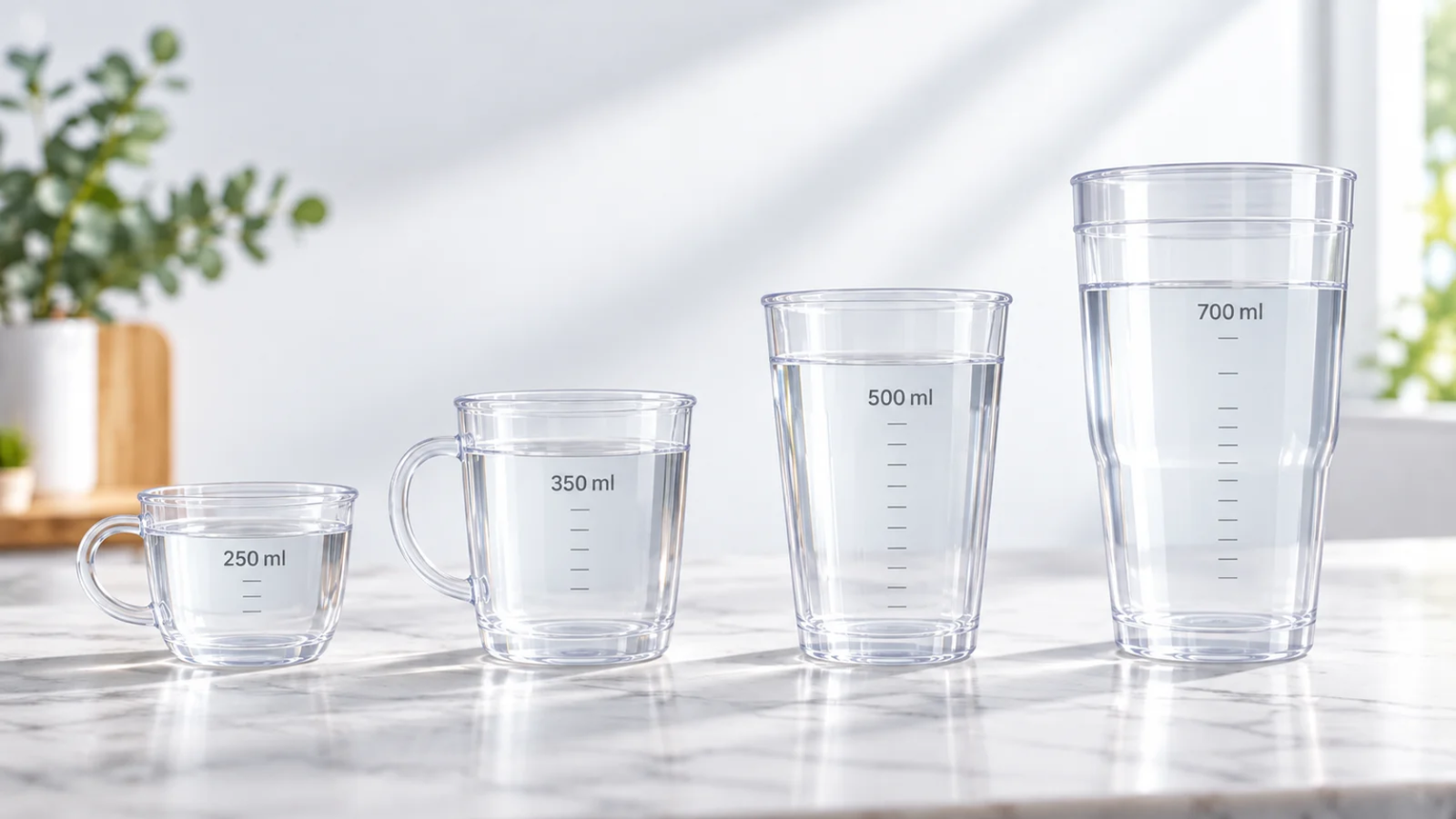
Breaking down popular capacities from a manufacturing perspective:
Below is an analysis of common cup sizes and their corresponding use cases:
| Cup Capacity | Typical Application |
|---|---|
| 2 oz | Shot glasses for spirits and hard liquors |
| 10 oz | Everyday standard for coffee or tea |
| 12 oz | A match for canned soda; aligns with canned beverage sizes |
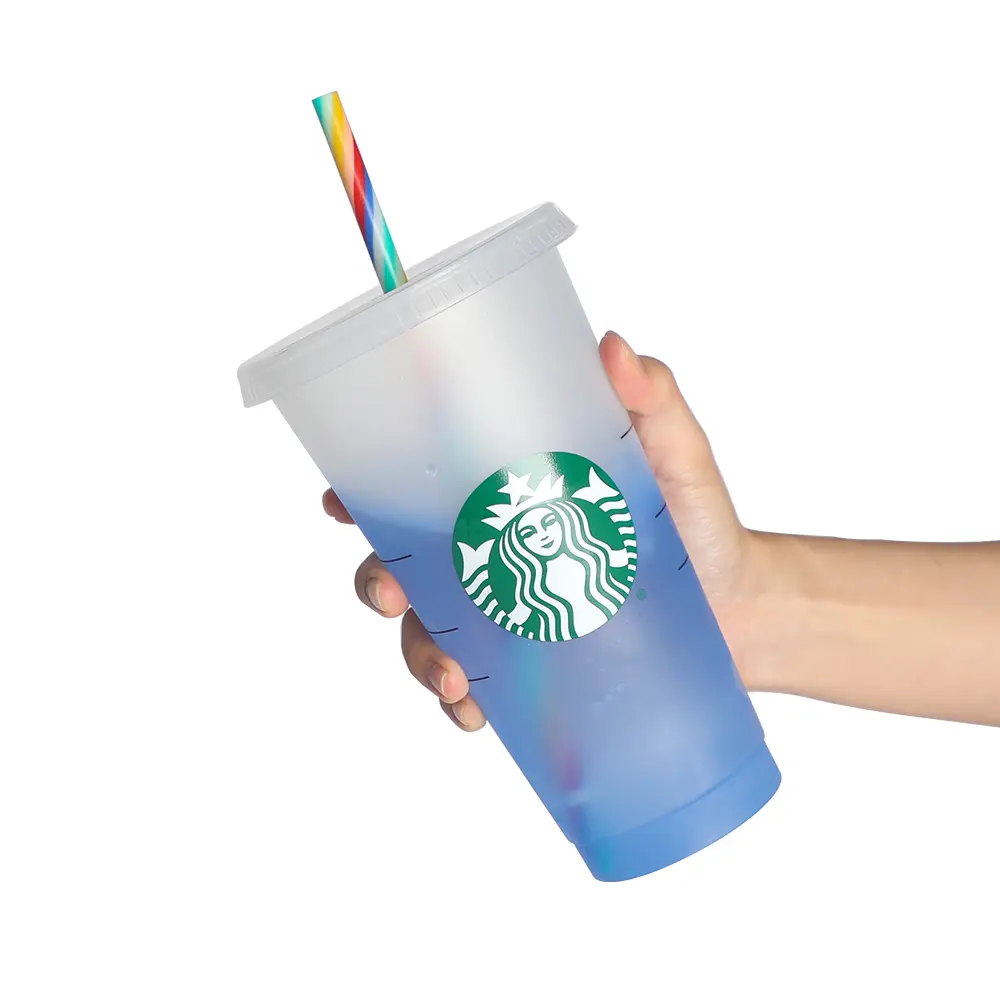
| 16 oz | Medium-sized iced beverages; matches Starbucks’ sizing |
| 24 oz | Large cold drinks like smoothies or milk teas |
| 32 oz | Nearly 1L; popular for iced teas or extended usage |
| 40 oz | High-capacity water bottles, reducing refill frequency |
Consumer habits around drink sizes play a major role in the popularity of these capacities. For instance, 16 oz and 24 oz cups are ideal for cold drinks, allowing space for both the beverage and ice. Similarly, larger water bottles like 40 oz models cater to busy individuals who prefer fewer refills during the day.
Manufacturers often align their production offerings with established standards — this ensures compatibility with beverage-serving norms while meeting distribution expectations efficiently.
Why are wide-mouth, tapered cups so popular?
The popularity of wide-mouth, tapered cup designs goes beyond consumer preferences; it’s also deeply rooted in manufacturing efficiency.
Wide-mouth, tapered cups stack seamlessly, reduce logistics costs, and simplify packaging. Their ergonomic design also appeals to consumers for convenient use.
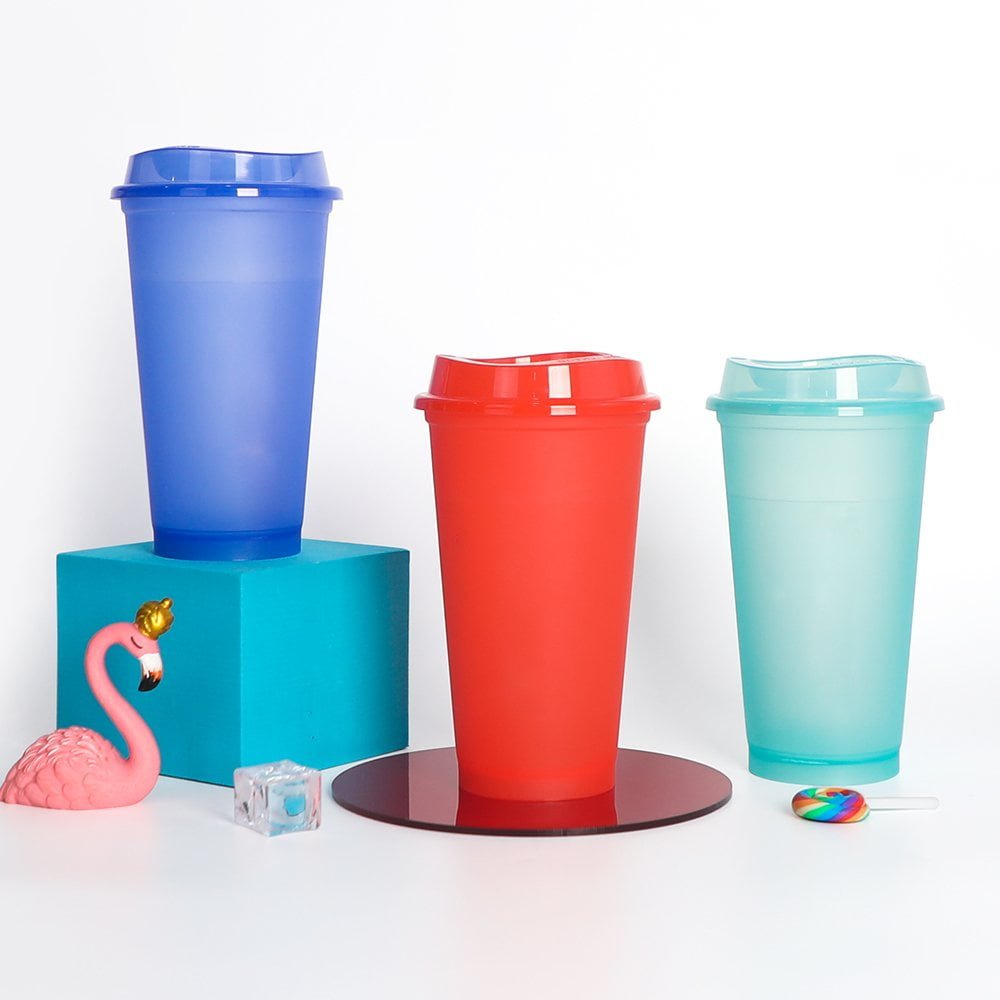
Why manufacturers love tapered cups:
From my perspective as a manufacturing veteran, this is particularly advantageous:
- Efficient production: The tapered design streamlines molding processes, improving yield rates for mass production.
- Space-saving storage and transport: Stacking tapered cups requires less vertical and horizontal space, reducing bulk packaging proportions. This saves both shipping costs and warehouse management expenses.
- Customer convenience: Wide-mouth cups are easier to drink from, clean, and share, making this design universal for cold beverages, desserts, and household drinking applications.
Ultimately, tapered designs balance aesthetic appeal, practicality, and price efficiency. If you’re in bulk procurement, consider prioritizing this design for scalable logistics and retail-friendly performance.
Why are cup capacities getting larger?
The rise of large-capacity cups is directly tied to the expanding cold beverage market. Drinks like iced coffee, bubble tea, protein shakes, and smoothies have led to higher demand for spacious, functional drinkware.
Cold beverages require more space to accommodate ice cubes and extra ingredients, making larger sizes indispensable for modern consumers.

Key drivers of large-capacity drinkware demand:
- Ice cubes dominate: Especially in bubble tea or iced coffees, ice can take up 30–40% of the cup's volume. Customers expect more liquid without sacrificing ice inclusion.
- Lifestyle compatibility: Large-capacity bottles like 32 oz or 40 oz allow consumers to sip consistently while saving time on refills.
- Longer consumption periods: With fewer interruptions, larger cups align with evolving habits for extended outdoor or workplace beverage use.
- Cold beverage popularity: Smoothies, slushes, iced teas — all these categories demand larger drinkware that holds both solid and liquid components seamlessly.
If your target customers include cafes, beverage distributors, or health-focused retailers, larger sizes (32 oz and up) perfectly cater to their modern demands. Be sure to match this growing trend in your bulk-order lineup.
Frequently Asked Questions
What cup sizes are most common for iced coffee drinks?
Iced coffee cups typically range between 16 oz and 24 oz, depending on portion size. They’re designed to hold both ice cubes and liquid, ensuring the beverage retains its volume despite including ice.
How do tapered cup designs save costs for manufacturers?
Tapered cups stack vertically, reducing bulk dimensions in transportation and storage. This design cuts packaging material needs and optimizes warehouse logistics.
Is there a standard capacity for cold beverage cups?
Yes, 16 oz, 24 oz, 32 oz, and 40 oz are common standards for cold drinks like smoothies, bubble teas, and iced coffees. These meet modern lifestyle demands for longer-duration consumption.
Conclusion
Incorporating thoughtful capacity choices into your cup procurement strategy ensures better alignment with consumer habits, beverage trends, logistics needs, and production efficiency. Whether it’s 2 oz cups for shots, 16 oz tapered cold drink cups, or 40 oz water bottles, understanding each capacity’s unique use allows you to make informed decisions.
Need help customizing cup designs or capacities for your business? Contact us to explore OEM/ODM solutions tailored for your market!