
Have you ever wondered how a flat sheet of aluminum becomes a finished drinking cup?
Making an aluminum cup involves more than simply shaping a piece of metal. From material selection and metal forming to anodizing, printing and quality inspection, every stage affects the final product.
At Mugbaby, we work with experienced aluminum cup manufacturing partners and coordinate decoration and customization processes to help turn your ideas into finished products.
Let's take a closer look at how an aluminum cup is made.
Aluminum Sheet Selection and Blanking
Every aluminum cup starts with the right raw material.
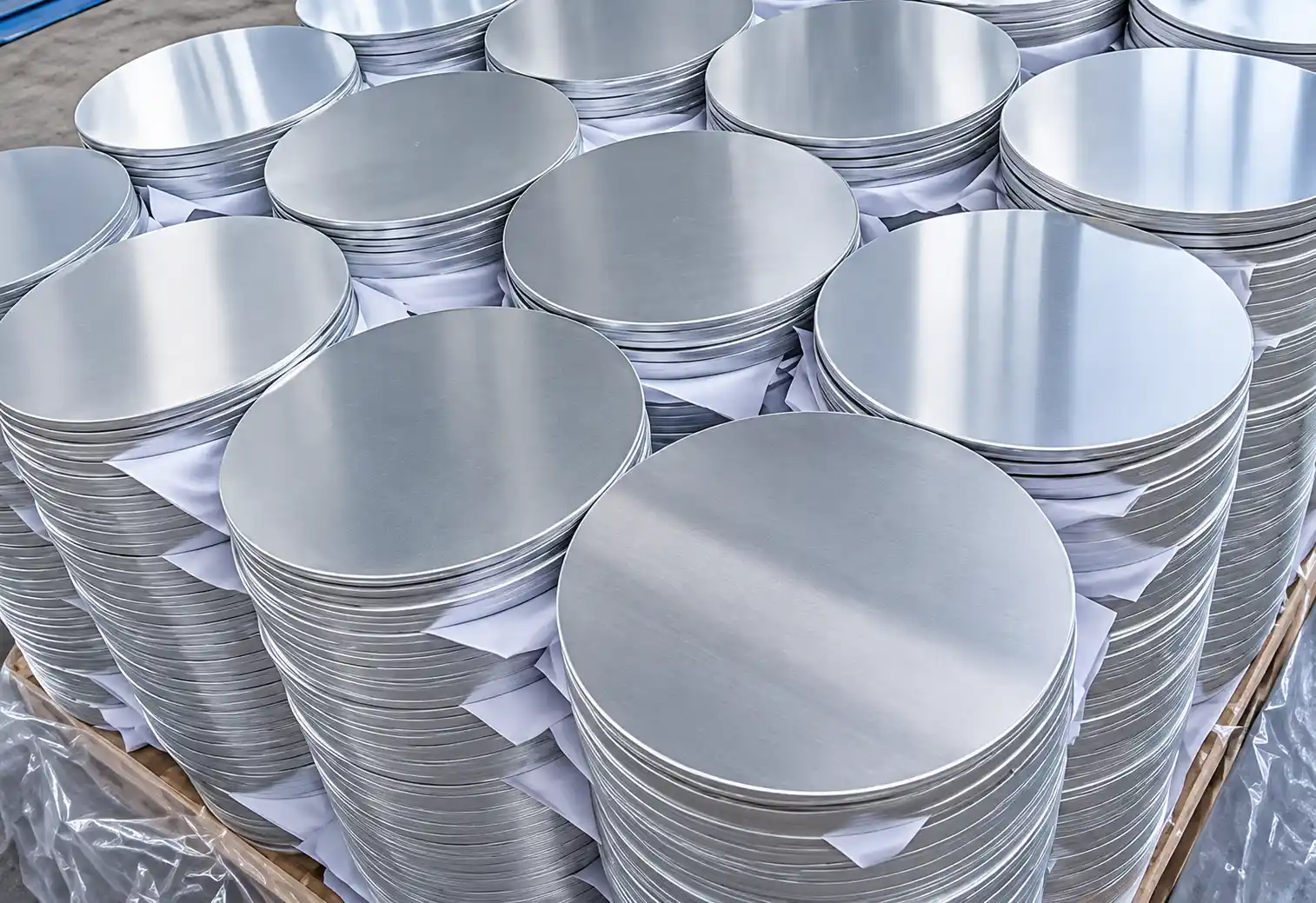
At our aluminum cup factory, we use food-grade aluminum sheets with a thickness of at least 1 mm1. Material selection is important because the aluminum needs to maintain sufficient strength and withstand the forming process.
Before shaping, the aluminum sheets are fed into a cutting machine and punched into uniform circular blanks.
These blanks are then transferred to the next production stage.
Cup Forming Through Metal Spinning
Once the circular blanks are ready, they enter the metal forming process.
We use automated metal spinning machines to transform flat aluminum blanks into cup bodies. During this process, the aluminum is pressed and shaped against a forming tool until it reaches the required cup profile.
Robotic arms assist with material feeding and handling, helping maintain consistent production efficiency.
Each machine can produce approximately 1,000 cups per day2. In large-scale manufacturing, well-equipped factories may operate more than 50 machines to meet production demand.
The cup's shape, diameter, height and capacity are determined by the tooling and design specifications.
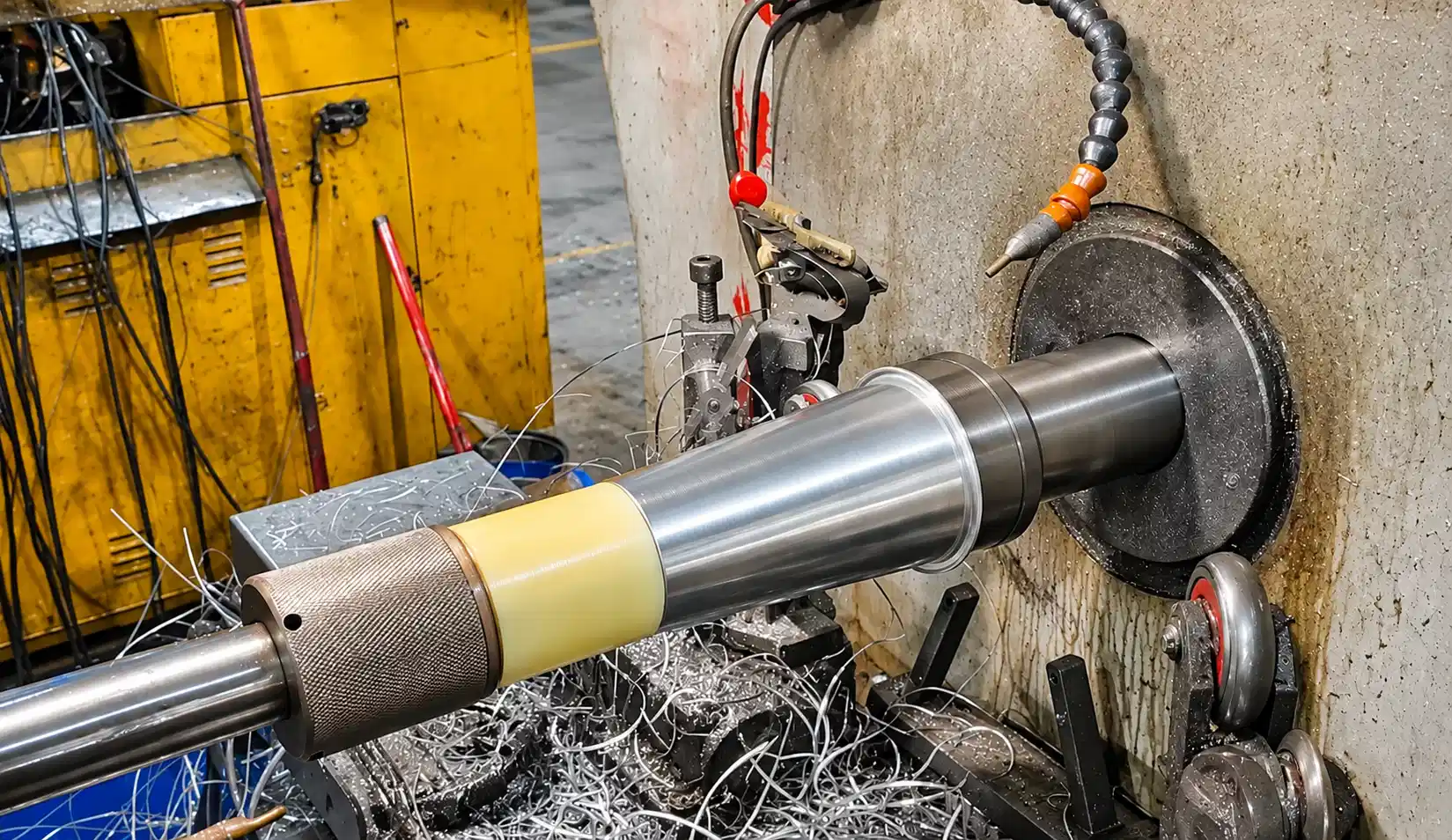
See How Aluminum Cups Are Made
If you want to understand the forming process better, take a look at our production video. It gives you a closer look at the actual manufacturing environment and how aluminum cups are processed.
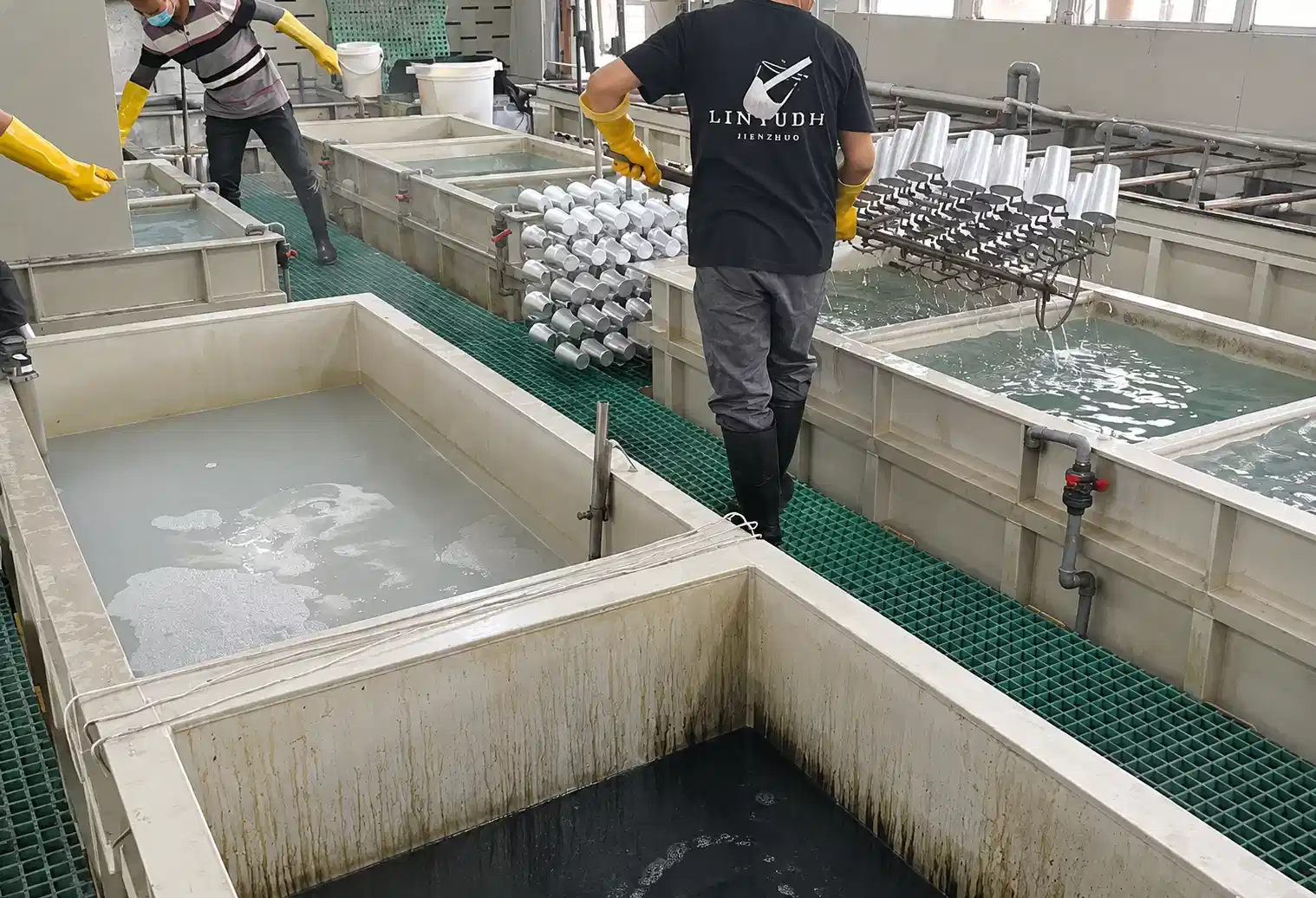
Surface Preparation and Anodizing
After forming, the aluminum cups move on to surface preparation and anodizing.
Anodizing is an electrochemical surface treatment that creates a protective aluminum oxide layer3. It can also introduce different colors while maintaining the characteristic metallic appearance of aluminum.
Depending on your project, you can choose natural silver or various anodized colors to match your brand identity.
Unlike ordinary surface painting, anodizing forms an oxide layer from the aluminum surface itself4. This makes it an important finishing option for customized aluminum drinkware.
The final color and appearance depend on the aluminum alloy and the anodizing process.
Artwork Preparation and Printing
Once the cup bodies are ready, we move on to artwork preparation.
Before printing, our team reviews your artwork, separates the colors and prepares the printing files. We pay particular attention to the design layout, printing area, color matching and alignment.
The printing method is selected according to your artwork, surface finish and desired visual effects.
If your design includes thermochromic inks or other special effects5, we also need to consider the printing process and material compatibility before production.
Our goal is to make sure your design works not only as a digital image but also as a manufacturable product.
Decoration Application and Laser Engraving
After the printing materials are prepared, skilled workers transfer the printed designs onto the aluminum cups.
This stage requires careful handling and accurate positioning to ensure that the artwork is applied correctly.
With an efficient production setup, daily output can exceed 50,000 pieces6.
In addition to printed decoration, we also use laser engraving machines to add customized markings, logos and identification details7 to the bottoms of aluminum cups.
This gives you more options when developing branded or promotional drinkware.
Curing and Finish Control
After decoration, the cups undergo curing according to the selected ink or coating specifications.
The required curing temperature and time depend on the decoration materials and production process. Proper curing helps achieve the intended finish and adhesion8.
During this stage, we also pay attention to the overall appearance, including color consistency, printing alignment and surface condition.
For customized projects, we recommend confirming the decoration performance through samples before moving into mass production.
Quality Inspection and Packing
Before shipment, every production batch goes through quality inspection.
Our quality team checks the finished cups against the agreed specifications, including:
- Appearance: Surface condition, scratches and visible defects9.
- Color Consistency: Whether the finished colors match the approved sample.
- Printing Position: Whether logos and artwork are correctly positioned.
- Dimensions: Cup height, diameter and capacity10.
- Project Requirements: Additional checks or tests specified by the customer.
Once the products pass inspection, they are packed according to the project requirements to protect the cups during storage and transportation.
What Can You Customize When Developing Aluminum Cups?
Manufacturing an aluminum cup is only part of the project. If you are developing a product for your brand, you may also need to consider its appearance, functionality and accessories.
At Mugbaby, we can help you explore different customization options.
| Customization | Available Options |
|---|---|
| Cup Shape | Different profiles, heights and capacities11 |
| Surface Finish | Natural aluminum and anodized colors12 |
| Printing | Custom logos, artwork and promotional graphics |
| Special Effects | Thermochromic printing and selected decorative effects |
| Laser Engraving | Custom logos and bottom markings |
| Accessories | Lids, straws and carrying sleeves |
We recommend confirming the cup structure and surface finish before finalizing the artwork, as these details can affect the available decoration methods.
Why Choose Mugbaby for Custom Aluminum Cups?
At Mugbaby, we focus on customized drinkware and special-effect printing.
We understand that different projects have different requirements. Some customers need simple branded aluminum cups for promotional events, while others want distinctive products with anodized colors, thermochromic effects or customized artwork.
Our experience in drinkware decoration allows us to help you evaluate the materials, printing methods and finishing options before production.
We work with you from artwork review and sampling to decoration and final quality inspection, helping ensure that your design can be translated into a practical product.
Have an Aluminum Cup Project in Mind?
Whether you need standard aluminum cups, custom anodized finishes or color-changing aluminum drinkware, we are ready to discuss your ideas.
Tell us about your design, target quantity and intended application. Our team will help you evaluate a suitable manufacturing and decoration solution.
Let's turn your aluminum cup design into a finished product.
"Food-grade Metals", https://www.katom.com/learning-center/food-grade-metals.html?srsltid=AYCX9vIovog7toDAiaDwvb_zL22pladcil-6GXEfDI4gdMbly5rfiucx. The Food and Drug Administration (FDA) provides guidelines for materials used in food-contact applications, including aluminum. Industry standards often specify minimum thicknesses for structural integrity in drinkware manufacturing. Evidence role: general_support; source type: institution. Supports: The use of food-grade aluminum sheets and the specified thickness for drinkware manufacturing.. Scope note: Specific thickness requirements may vary by manufacturer and product design. ↩
"Acme Metal Spinning Adds Additional Automatic CNC ...", https://acmemetalspinning.com/cnc-spinning-high-volumes-of-parts/. Studies on automated metal forming processes indicate that production rates can vary widely depending on machine specifications and operational efficiency. Evidence role: statistic; source type: research. Supports: The production capacity of automated metal spinning machines in aluminum cup manufacturing.. Scope note: Exact production rates depend on machine model and factory setup. ↩
"Anodizing", https://en.wikipedia.org/wiki/Anodizing. Educational resources explain that anodizing enhances corrosion resistance and allows for color customization by forming a durable aluminum oxide layer. Evidence role: mechanism; source type: education. Supports: The process and benefits of anodizing aluminum surfaces.. Scope note: Specific applications may require tailored anodizing processes. ↩
"Engineers develop breakthrough method for aluminum ...", https://news.rice.edu/news/2025/engineers-develop-breakthrough-method-aluminum-surfaces-enabling-advancements-cooling. Experts in materials science highlight that anodizing chemically alters the aluminum surface, whereas painting applies a separate coating. Evidence role: expert_consensus; source type: education. Supports: The distinction between anodizing and painting as surface treatments for aluminum.. Scope note: The effectiveness of each method depends on the intended application. ↩
"Thermochromic ink", https://en.wikipedia.org/wiki/Thermochromic_ink. Research on thermochromic materials explains their ability to change color with temperature, making them suitable for interactive drinkware designs. Evidence role: mechanism; source type: research. Supports: The use of thermochromic inks and special effects in aluminum cup printing.. Scope note: Compatibility with aluminum surfaces may require specific printing techniques. ↩
"US Energy Requirements for Aluminum Production", https://www1.eere.energy.gov/manufacturing/resources/aluminum/pdfs/al_theoretical.pdf. Research on large-scale manufacturing indicates that optimized setups can achieve high daily outputs, depending on machine capacity and workforce efficiency. Evidence role: statistic; source type: research. Supports: High production outputs in aluminum cup manufacturing facilities.. Scope note: Output figures may vary by factory and production conditions. ↩
"Laser engraving", https://en.wikipedia.org/wiki/Laser_engraving. Educational resources on laser engraving describe its precision and ability to create permanent markings on metal surfaces. Evidence role: mechanism; source type: education. Supports: The use of laser engraving for customization in aluminum drinkware.. Scope note: Engraving quality may depend on aluminum alloy and machine settings. ↩
"UV-Curable Coatings for Aluminum Can Production", https://docs.nlr.gov/docs/fy99osti/26851.pdf. Educational materials on printing processes emphasize that curing stabilizes inks and coatings, ensuring durability and visual quality. Evidence role: mechanism; source type: education. Supports: The role of curing in ensuring finish and adhesion in aluminum cup decoration.. Scope note: Specific curing requirements depend on the materials used. ↩
"Effect of material properties on the paper cup manufacturing ...", https://bioresources.cnr.ncsu.edu/resources/effect-of-material-properties-on-the-paper-cup-manufacturing-process/. Industry guidelines for metal drinkware manufacturing often include surface condition and defect checks as part of quality control. Evidence role: general_support; source type: institution. Supports: Inspection criteria for aluminum drinkware manufacturing.. Scope note: Specific criteria may vary by manufacturer and product type. ↩
"3 Surprising Facts about Dimensional Inspection", https://industrial-ia.com/3-surprising-facts-about-dimensional-inspection/. Manufacturing standards for drinkware often include dimensional verification to ensure consistency and functionality. Evidence role: general_support; source type: institution. Supports: Dimensional checks as part of quality inspection in aluminum cup manufacturing.. Scope note: Specific dimensions depend on product design and customer requirements. ↩
"Customize Metal Cups with Your Logo", https://egrandstand.com/products/drinkware/metal-cups. Manufacturers of aluminum drinkware often offer customization in dimensions and profiles to meet diverse customer needs. Evidence role: general_support; source type: institution. Supports: Customization options for aluminum cup profiles, heights, and capacities.. Scope note: Specific options depend on tooling and production capabilities. ↩
"Aluminum Tumblers (9)", https://americanhistory.si.edu/collections/nmah_1422683. Educational materials on aluminum finishing explain the aesthetic and protective benefits of anodizing compared to natural finishes. Evidence role: general_support; source type: education. Supports: Surface finish options for aluminum cups, including natural and anodized finishes.. Scope note: Color options may depend on the anodizing process and aluminum alloy. ↩