
All You Need to Know About Color Changing
Technology
As a consumer, you may find color changing cups fascinating. But as a buyer, understanding the technology behind them is essential. In this section, we will explain everything you need to know about color changing technology.
01 / Foundation & Principle
What Is Color Changing Technology?
In this section, color changing technology specifically refers to reversible color changing technology. Under certain conditions, such as changes in temperature or light, the color will change in different ways, including becoming darker, lighter, or brighter. Once the conditions return to normal, the color will gradually return to its original state.
Live Before & After Thermal Shift
Drag the slider horizontally or use the keyboard arrow keys to observe the artwork transition.


02 / Activation Mechanisms
How Do Color Changing Cups Work?
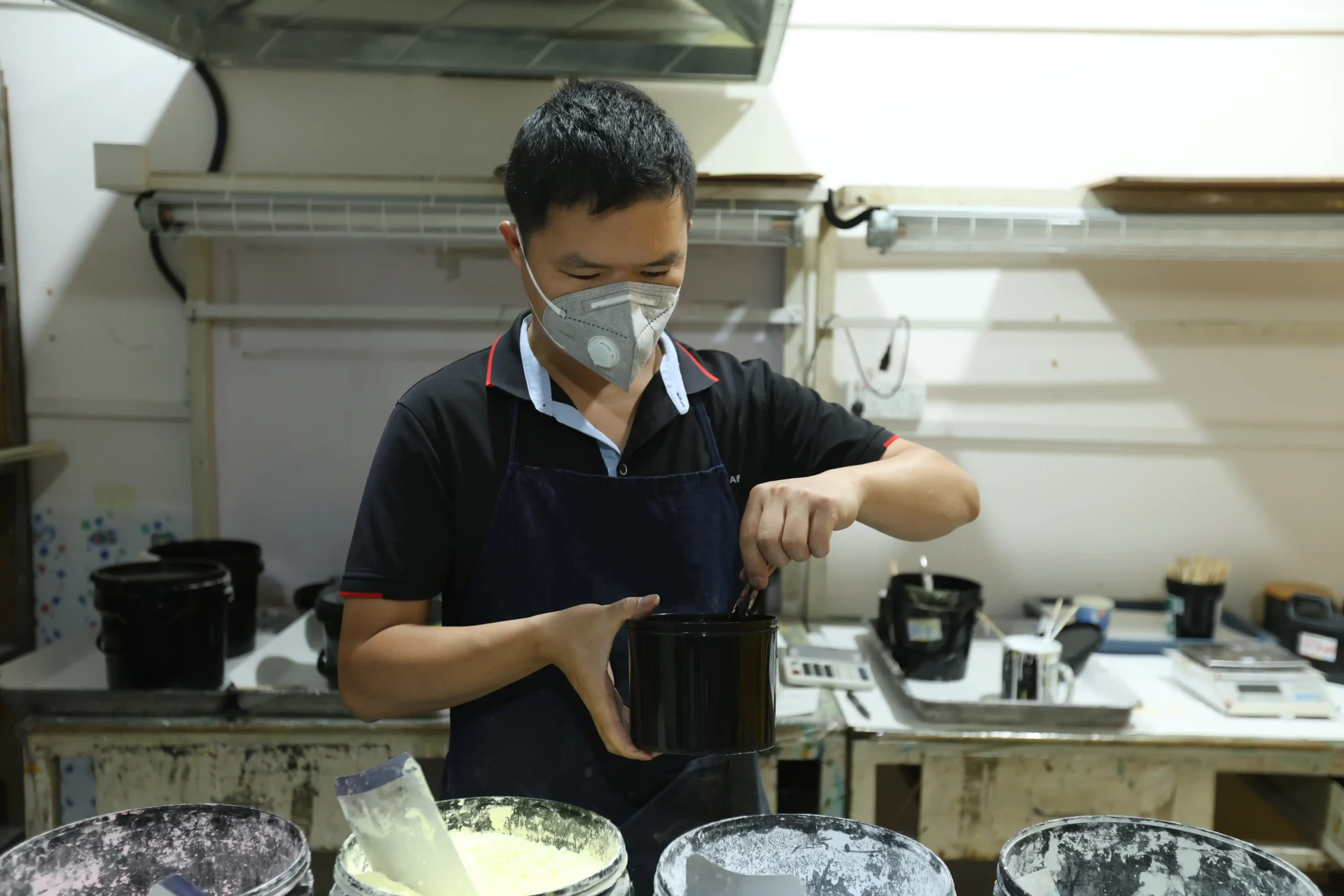
Depending on your marketing concept and beverage type, MUGBABY supports four primary physical triggering systems. Each operates via specialized chemical stability parameters tested for repeated cycles.
Cold Color Changing
Activated by iced drinks, chilled sodas, or refrigerated liquids. Microcapsules shift from neutral or pale translucent tones into vibrant saturated hues as soon as surface temperature drops below 18°C.
Cold brew, aluminum party cups, iced tea tumblers.
Heat Color Changing
Activated by hot coffee, boiling tea, or warmed beverages. Dark thermosensitive coatings turn transparent when hot liquid enters, revealing hidden custom artwork or brand storytelling underneath.
Ceramic mugs, single-wall steel, bistro drinkware.
UV Photochromic
Activated immediately upon exposure to ultraviolet sunlight. Clear indoor cups quickly develop intense purple, magenta, or blue graphics when taken outside, returning to neutral indoors.
Outdoor festivals, beach sports bottles, festival merchandise.
Glow In The Dark
Formulated with high-grade zinc sulfide or aluminate phosphors. Absorbs natural or artificial light energy during the day and emits a continuous radiant glow under nocturnal or dim club lighting.
Halloween editions, nightlife, concerts & IP merchandise.
03 / Engineering Clarifications
Frequently Asked Questions
We asked 30 sales professionals, engineers, and customers with extensive experience in color changing cups to identify the 10 questions they care about most—from design, production, and testing to everyday use.
1. Why Are Color Changing Cups Not Dishwasher Safe?
Color-changing pigments are organic, carbon-based materials. Excessive heat can damage their molecular structure and permanently weaken or eliminate the color-changing effect.
Most dishwasher-safe decorated drinkware uses high-temperature firing, typically above 700°C, with inorganic pigments and other high-temperature materials.
With advances in technology, some color-changing cups can now withstand 5-10 dishwasher cycles. However, repeated dishwasher use can still significantly shorten the lifespan of the color-changing effect. For this reason, we recommend hand washing.
2. Why Do Cold Color Changing Cups Usually Use 18°C Pigment?
This is one of the most common questions we receive.
Some customers ask for a lower activation temperature, such as 5°C, assuming their drinks are cold enough. However, the actual temperature of the cup surface is affected by the surrounding environment and heat transfer from the beverage to the printed area.
In a typical 20-30°C environment, a 5°C activation point is often too low to provide a reliable color-changing effect.
On the other hand, a higher activation temperature may cause the cup to change color in an air-conditioned room.
Based on Mugbaby's years of production experience, 18°C provides an excellent balance between sensitivity and stability for cold color-changing cups.
3. What Design Principles Should I Follow When Designing a Color Changing Cup?
The basic principle is:
Cold color changing
Light → Dark
Heat color changing
Dark → Light
A color-changing design works more like revealing or covering an existing image rather than completely transforming one design into another.
For cold color-changing cups, we generally recommend designing from no color to color. Colored-to-colored transitions are also possible, but overlapping colors can make color matching more difficult and reduce the visual impact of the effect.
For heat color-changing cups, we recommend strong covering colors such as black or dark blue. When heated, the covering color fades away and reveals the artwork underneath.
4. Why Can I Still See Some Color Before a Cold Color Changing Cup Is Activated?
This is called color residue.
We understand that many customers want the color to remain completely invisible before activation, creating a surprise effect. However, this is difficult to achieve in practice because the color-changing material naturally has some residual color.
If the activated color needs to be bright, saturated, or matched to a specific Pantone color, making the pre-activated color completely invisible usually requires sacrificing the final color intensity.
In most projects, achieving a strong and complete final design is more important than eliminating all color residue.
5. Why Does a Heat Color Changing Cup Have a Slight Milky or Hazy Appearance After Activation?
When the dark covering layer disappears, customers often expect the underlying artwork to become 100% transparent and fully visible.
In practice, this is very difficult to achieve.
Even transparent materials such as glass still have a visible presence. Color-changing materials cannot become completely invisible like clear glass and may leave a slight milky or hazy appearance over the artwork.
This may slightly affect the color underneath, but based on Mugbaby's 30+ years of production experience, this level of color residue is widely accepted in demanding brand projects.
6. What Should I Avoid When Using Color Changing Cups?
To protect the color-changing effect:
- Avoid scratching the surface with hard objects.
- Avoid prolonged contact between liquid and the outside surface.
- Avoid prolonged exposure to direct sunlight.
- Hand washing is recommended.
- Do not use in microwave ovens or dishwashers.
7. Do Color Changing Cups Have a Limited Lifespan?
The color-changing material itself is reusable. Under proper conditions, it can repeatedly change color when activated and return to its original state when the condition is removed.
However, real-world use is rarely perfect. Scratching, improper cleaning, prolonged sunlight exposure, and other factors can gradually reduce the intensity of the effect.
For commercial applications, we generally recommend specifying a practical service life of 2-3 years.
8. What Determines the Price of a Color Changing Cup?
A color-changing cup can generally be divided into three main cost components:
Cup Body + Packaging + Color-Changing Effect
For the color-changing effect itself, the main cost factors are:
- Number of colors: More colors usually require more printing processes.
- Color-changing area: A larger color-changing area requires more material and increases material consumption.
Therefore, more colors and larger color-changing areas generally result in higher costs.
9. Why Should I Work with a Color Changing Cup Specialist Instead of a Regular Cup Manufacturer?
Many buyers naturally choose a factory based on the cup material--for example, a ceramic factory for ceramic cups or a stainless steel factory for stainless steel cups.
However, for color-changing products, we recommend working with a specialist in color-changing technology.
There are three main reasons:
-
① Better cost control
Color-changing materials are relatively expensive. A factory without extensive experience may add higher material costs or waste to the project.
-
② Better process control
Color-changing production involves many technical details. An experienced specialist can identify and solve potential problems before they become production issues.
-
③ Better integration of cup and artwork
The cup body is only one part of the product. The design, color-changing effect, and cup shape need to work together to create the right visual experience.
With more than 30 years of experience, Mugbaby specializes in this combination of cup + technology + design.
10. What Should I Pay Attention to When Testing Color Changing Cups?
Three areas are particularly important:
-
① Adhesion
The printed surface should have sufficient adhesion. Under normal conditions, a 3M tape adhesion test can be used to evaluate print adhesion.
-
② Heavy Metal Testing
Color-changing materials are generally based on organic pigments, so heavy metal concerns are typically lower than with some inorganic pigment systems. Nevertheless, testing should still follow the requirements of the target market and application.
-
③ BPA Testing
BPA can be a concern in some low-temperature curing systems. Choosing an experienced manufacturer and properly controlling the formulation and curing process can help reduce the risk of excessive BPA levels.
04 / Proven Drinkware Catalog
Popular Color Changing Products
Standard molds ready for rapid plate-making, custom silk-screen, full decal baking, and mass production packaging.
Latest Arrivals
Cold Active (≤ 18°C) Heat Active (≥ 45°C)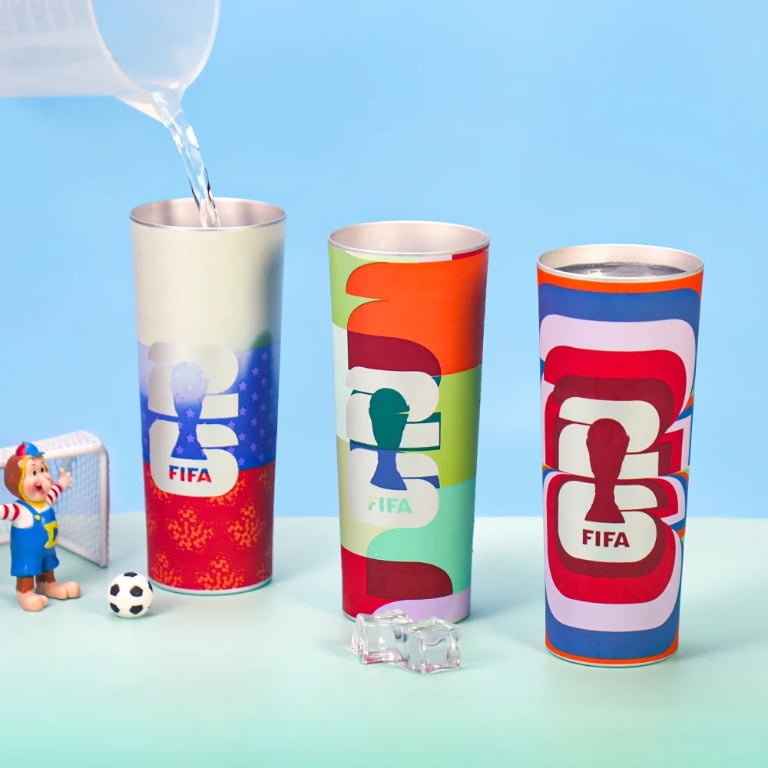
22oz World Cup Theme Aluminum Cup
660ml Aluminum
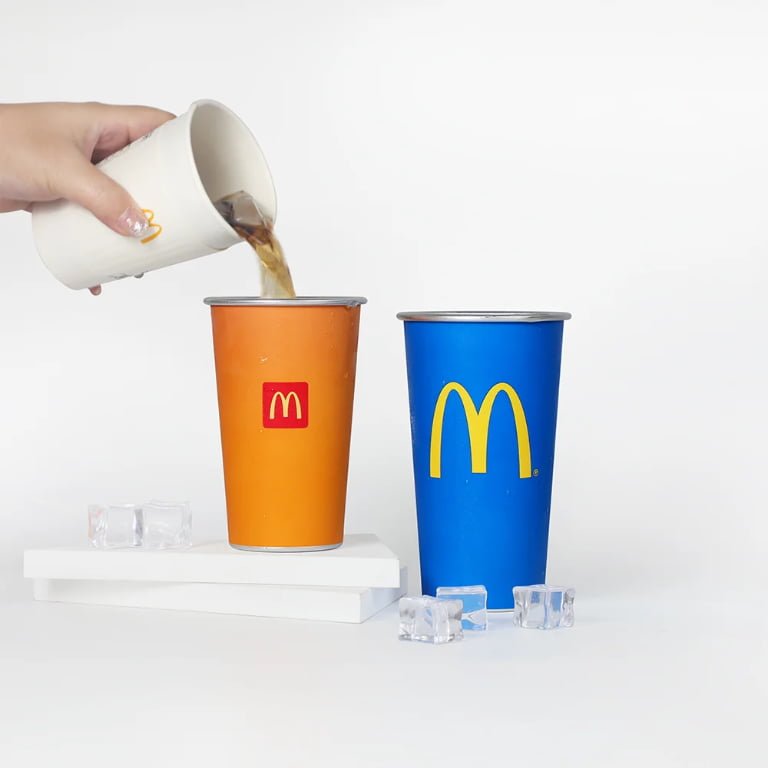
450ml McDonald cold active Aluminum cup
450ml Aluminum
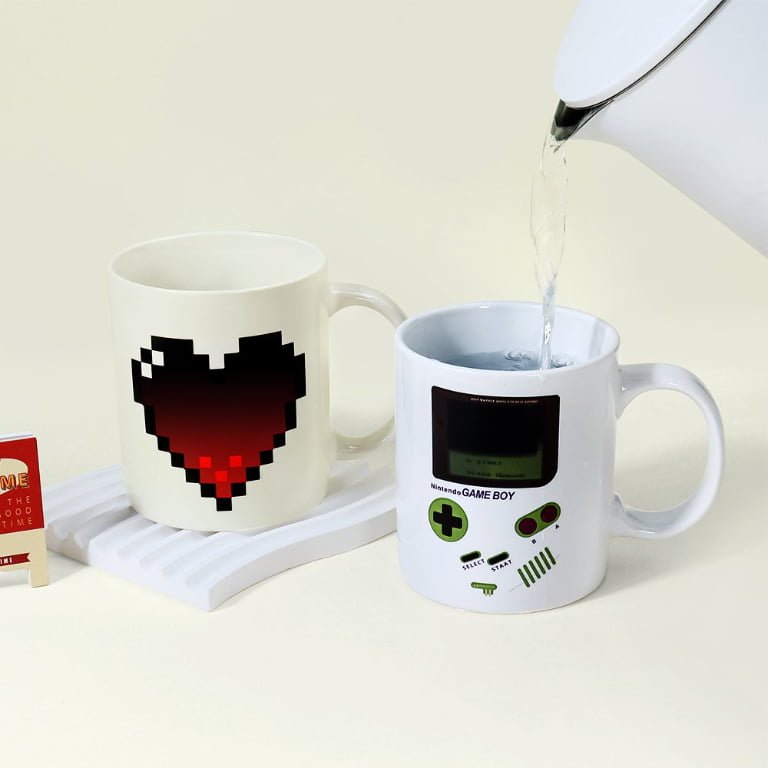
11oz White Heat reveal New Bone China Ceramic Mug
330ml New Bone China
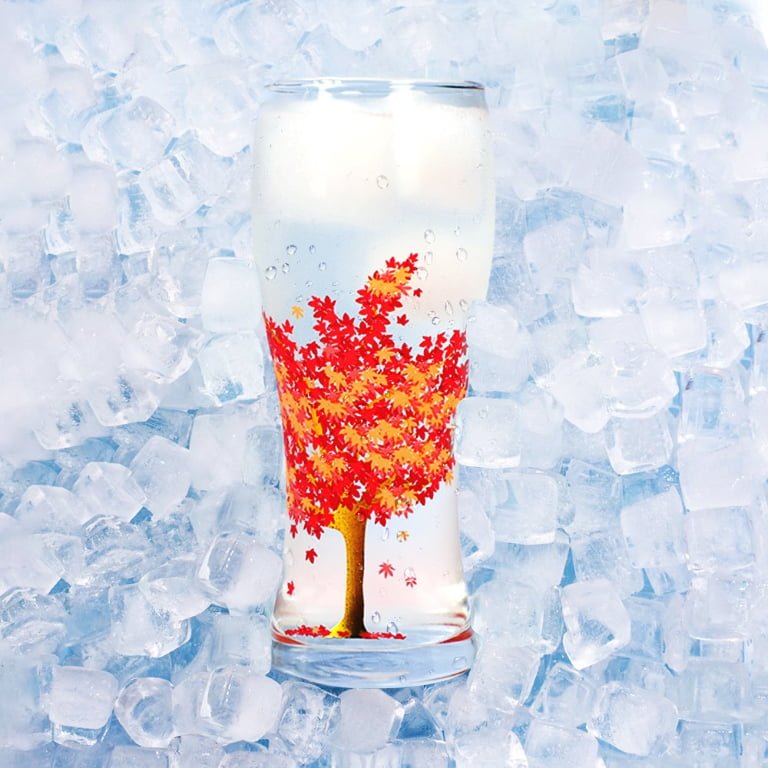
700ml Beer Glass with cold changing effect
700ml Glass
04 / Standardized Workflow
Precision Manufacturing Process
Converting dynamic artwork into reliable bulk supply requires strict process tolerance at every single phase.
Design Confirmation
A professional sales consultant with over 10 years of experience will work with you throughout the design process, helping you understand what can be achieved and what may present challenges.
Plate Making
Our professional color separation specialists will break down your artwork into the required layers. Your artwork doesn’t need to be highly technical—we’ll handle the technical details for you, because we’re the experts.
Film Output
Different production processes require different film separations, all tailored to achieve the exact effect you’re looking for.
Color Matching
Pigment concentration ratio blending, spectrophotometer confirmation, and laboratory temperature trigger testing.
Printing
Automated screen printing or transfer paper laydown under controlled humidity to prevent microcapsule rupture.
Decal / Molding
Hand-applied water transfer decals or direct in-mold injection of compounded color-changing thermoplastic pellets.
Curing & Baking
Strict low-temperature oven profile ensuring adhesion durability without degrading heat-sensitive microcapsules.
Quality Inspection
Ice bath testing, adhesion grid test, food-grade migration testing, and master carton drop compliance inspection.
05 / Competitive Assurance
Why Leading Brands Choose Mugbaby
Creative ideas fail when mass-production cannot reproduce the prototype. Mugbaby exists to remove every risk between concept sketch and worldwide fulfillment.
Color Changing Specialists
Unlike generic factories, thermochromics is our dedicated core craft. We understand threshold drift, solvent interactions, and coating thickness parameters.
End-to-End Custom Solutions
From custom die-cut artwork templates to color matching, custom lids, packaging design, and DDP shipping terms.
Multi-Material Mastery
Consistent effects across Aluminum cups, PP plastics, food-grade PET, stainless steel flasks, and ceramic mugs within a single unified project line.
Audited Quality Control
Every run includes incoming material inspection, first-piece signed master approval, in-process leak & thermal testing, and outbound AQL audits.
Compliance & Testing
BPA-free certifications, FDA standard food safety compliance, LFGB compatibility, and Prop 65 lead-free testing verification ready for export.
Trusted by Global Campaigns
Experienced partner for international beverage chains, major sports tournament promotions, and licensed IP entertainment retail rollouts.
Ready to Develop Your Next Viral Color Changing Cup?
Share your concept artwork, preferred material, target delivery date, and volume for a transparent manufacturing feasibility review and itemized quote.