A color changing cup factory can look easy to find, but the wrong supplier can make a simple promotional cup project expensive, slow, and unstable. Many buyers first ask a traditional drinkware factory for help. I understand that instinct. However, color-changing drinkware needs pigment control, temperature experience, and printing judgment that normal cup factories often do not have.
A professional color changing cup factory has stable thermochromic pigment supply, proven temperature-matching experience, suitable printing process knowledge, and repeatable quality control. Buyers should evaluate whether the supplier can control color powder cost, choose the right color-change temperature, match materials correctly, and recommend cost-effective decoration methods before placing bulk orders.
Color-changing cups are a niche product. That is exactly why supplier selection matters. I have seen buyers treat them like ordinary plastic, glass, ceramic, aluminum, or stainless steel cups. The shape may look familiar, but the technical risk is different. Let’s break down what I would check before trusting a supplier.
Why Should You Choose a Professional Color Changing Cup Factory Instead of a Traditional Cup Factory?
Many buyers start with a traditional cup factory because that supplier already makes normal tumblers, mugs, or promotional drinkware. The problem appears later. The project looks simple during quotation, but pigment sourcing, color stability, and printing choices can quickly raise costs and increase failure risk.
A professional color changing cup factory is better because it already has the right pigments, tested formulas, experienced technicians, and decoration options for thermochromic drinkware. A traditional factory may need to buy special materials only for your order, learn by trial, and pass those costs and risks back to you.
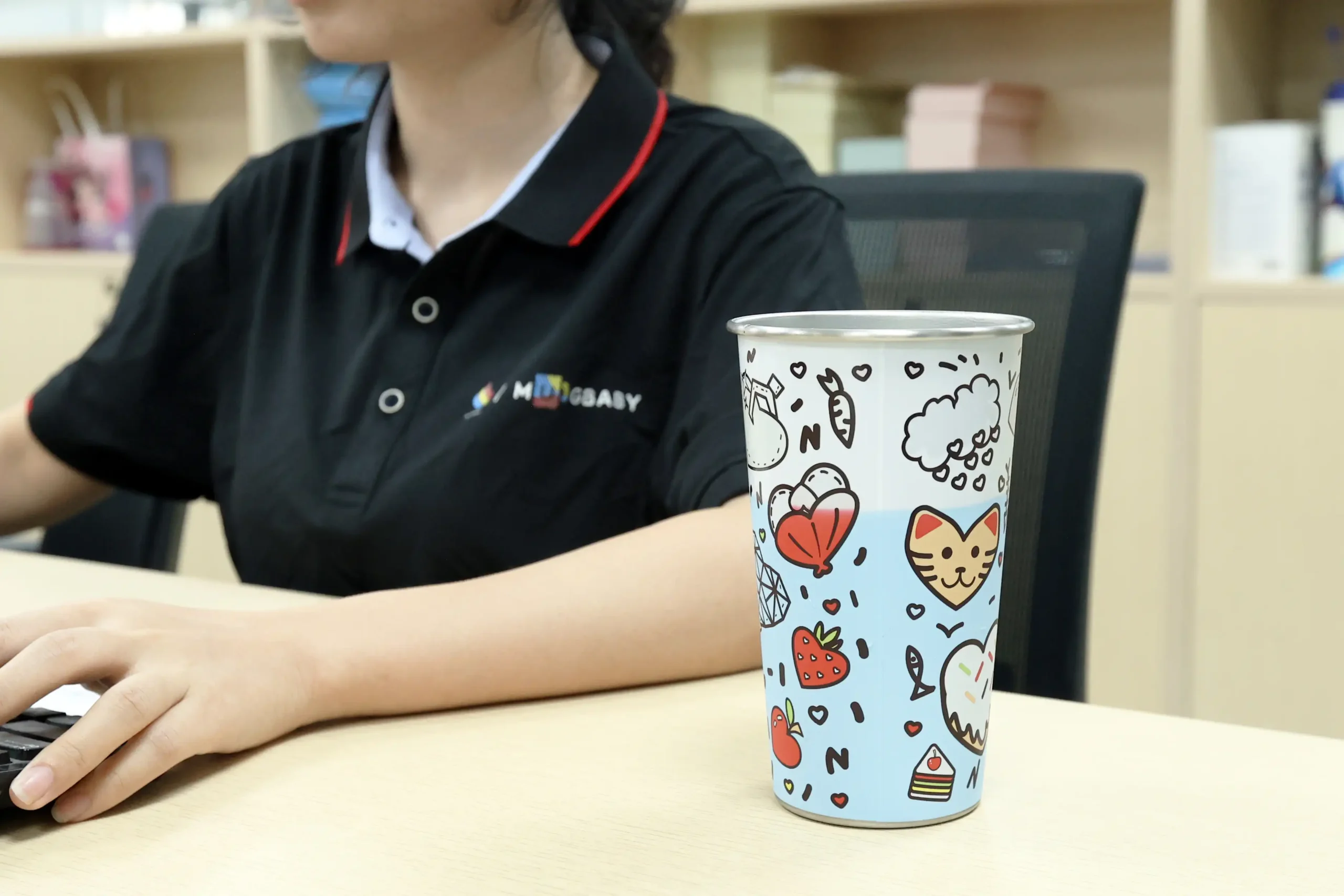
Color-Changing Cups Are a Small but Technical Category
I often tell buyers that color-changing cups are not just “normal cups with special color.” They are a small niche inside the drinkware industry. That niche has its own supply chain, its own defects, and its own testing points.
A traditional cup factory may be very good at:
- Injection molding ordinary plastic cups
- Making ceramic mugs
- Producing stainless steel tumblers
- Applying standard logos
- Packing and shipping regular drinkware
However, that does not mean the same factory understands thermochromic behavior. Color-changing products require extra judgment. The supplier must know how pigment reacts with temperature, material, coating thickness, ink layer, sunlight, washing, storage, and production heat.
Why the “Let My Cup Factory Find the Material” Approach Is Risky
I understand why buyers do this. If you already trust a factory, it feels convenient to ask that supplier to “help find color-changing powder” or “make this new color-changing cup.” But I do not usually recommend this route.
The risk comes from three areas:
-
The factory may not have existing pigment stock. If the supplier buys special pigment only for your order, the unused material cost may be added to your quotation.
-
The factory may not know which pigment type fits your market. Cold-change pigments may activate at different temperatures. A cup for Japan in winter may not behave the same as a cup for California in summer.
-
The factory may choose the wrong printing process. Gravure, screen printing, heat transfer, pad printing, and spray coating each have different cost and performance results.
Procurement Comparison Table
| Evaluation Point | Traditional Cup Factory | Professional Color Changing Cup Factory |
|---|---|---|
| Pigment inventory | Often limited or none | Usually keeps regular colors in stock |
| Formula experience | May rely on outside suppliers | Has tested formulas and samples |
| Temperature selection | Often uncertain | Understands 5°C, 18°C, 22°C and other options |
| Printing recommendation | May choose familiar process only | Chooses based on design, cost, and effect |
| Quotation stability | Can fluctuate due to pigment purchase | More stable for repeated programs |
| Quality control | General drinkware QC | Includes color-change performance checks |
What I Would Ask First
When I evaluate a color changing cup factory, I do not start only with price. I ask practical questions:
- Which thermochromic pigment colors do you keep regularly?
- What activation temperatures can you offer?
- What materials have you already produced with those pigments?
- Can you show recent production samples, not only showroom samples?
- Which printing process do you recommend for my design and quantity?
- What tests do you run before shipment?
A professional supplier should answer these questions clearly. If the supplier only says, “No problem, we can do it,” I would slow down. In my experience, the best factories explain both what can work and what may fail.
How Does a Professional Color Changing Cup Factory Control Thermochromic Pigment Cost?
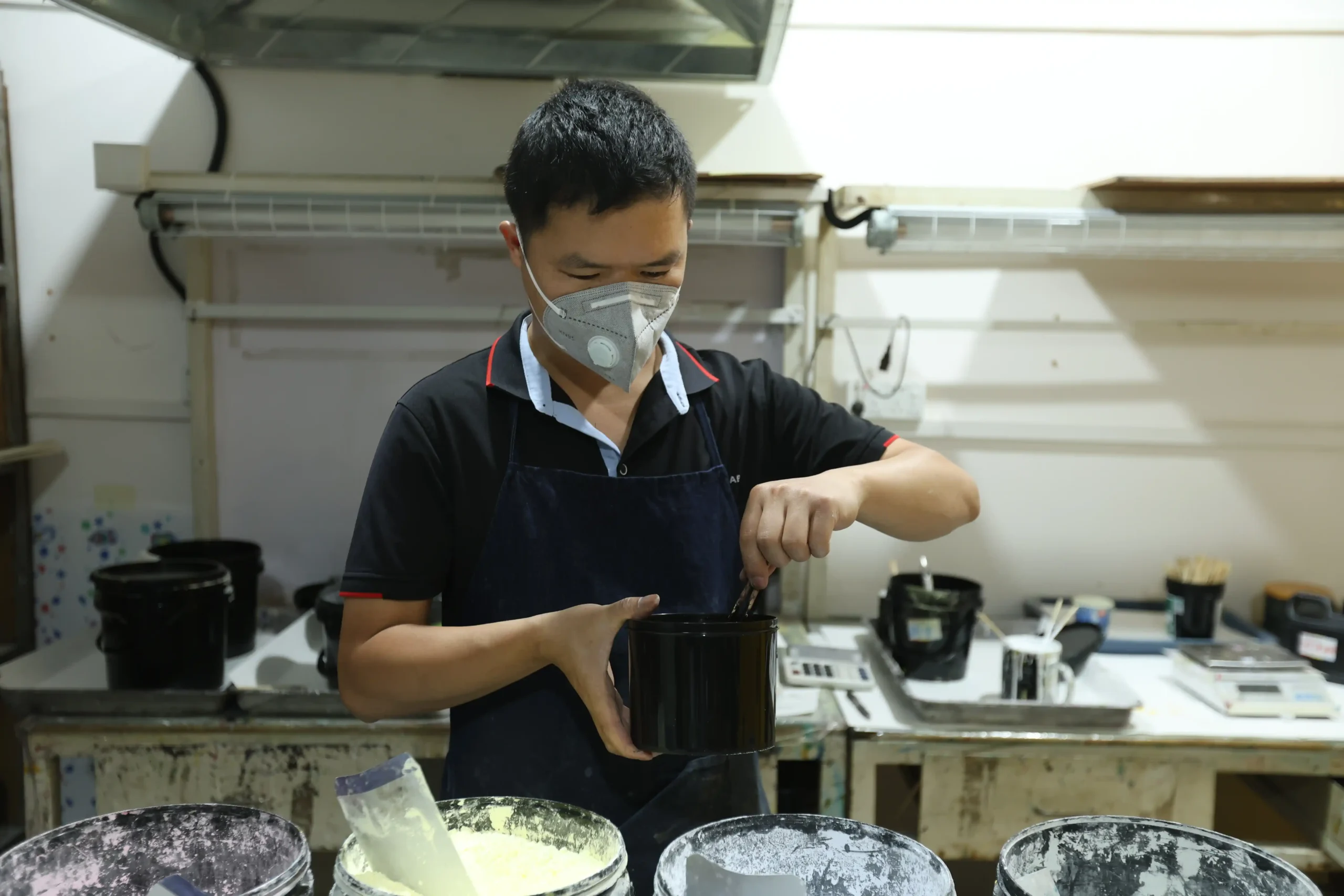
Color-changing pigment is expensive, and this is one of the biggest hidden cost drivers in the project. If a factory does not regularly make color-changing drinkware, it may buy pigment only for your order. Then your unit price may carry extra material cost.
A professional color changing cup factory controls pigment cost by keeping common thermochromic colors in regular inventory, using mature formulas, reducing trial waste, and spreading material usage across many orders. This allows the factory to quote more competitively while keeping color performance more consistent.
Why Pigment Cost Matters So Much
Thermochromic pigment is not like ordinary color masterbatch or standard printing ink. In many cases, color-changing powder can cost around 2,000 RMB per kilogram, depending on color, activation temperature, supplier, and performance grade. Some special colors or custom effects can cost more.
For buyers, this means a small mistake can become expensive. If a factory buys one kilogram of special pigment for a trial order and uses only part of it, the remaining cost must go somewhere. Usually, it appears in one of three ways:
- A higher sample fee
- A higher unit price
- A minimum order quantity that feels too large
A factory with long-term color-changing production can manage this better. It already uses common colors across many programs, so one buyer does not need to absorb the full sourcing burden.
Common Pigment Cost Factors
| Cost Factor | Why It Matters | Buyer Evaluation Tip |
|---|---|---|
| Activation temperature | Different temperature ranges may use different pigment types | Ask which temperature is suitable for your market |
| Color before change | Darker or special colors may need different loading levels | Request real samples under expected conditions |
| Color after change | Clear, white, or another color effect changes formula needs | Confirm effect with physical sample |
| Material type | Plastic, glass, ceramic, aluminum, and stainless steel need different processes | Ask for similar past production examples |
| Order quantity | Small orders carry more trial and setup cost | Compare sample cost, mold cost, and bulk price together |
| Printing coverage | Full-body designs use more ink or coating | Ask for cost breakdown by decoration method |
Mature Formulas Reduce Trial Waste
I have seen projects fail not because the idea was bad, but because the first supplier had to experiment too much. Every trial consumes pigment, labor, machine time, and printed parts. If the supplier has no mature formula, the buyer may pay for that learning curve.
A professional factory usually has:
- Standard cold-change formulas
- Common color cards
- Known pigment ratios
- Approved material combinations
- Past production samples
- Internal test records
This does not remove the need for sampling. Buyers should still approve pre-production samples. However, it reduces blind trial-and-error.
How Buyers Can Protect Their Budget
I recommend that procurement teams avoid comparing only the final unit price. Instead, compare the total project cost:
- Sample fee
- Pigment development fee, if any
- Mold or tooling cost
- Printing setup cost
- Bulk unit price
- Testing cost, if required
- Packing and shipping cost
- Reorder price stability
A cheaper quote from a non-specialized factory may become more expensive after repeated color adjustment. A professional color changing cup factory should explain why a price is higher or lower. That explanation is often more valuable than the number itself.
> My practical rule is simple: if a supplier cannot explain the pigment cost, the buyer should not assume the color-change effect will be stable.
What Color-Changing Temperatures Should a Color Changing Cup Factory Understand?
Temperature selection is one of the most misunderstood parts of color-changing drinkware. Many buyers only ask for “cold change” or “hot change.” That is not enough. Different activation temperatures create different user experiences in different seasons, regions, and materials.
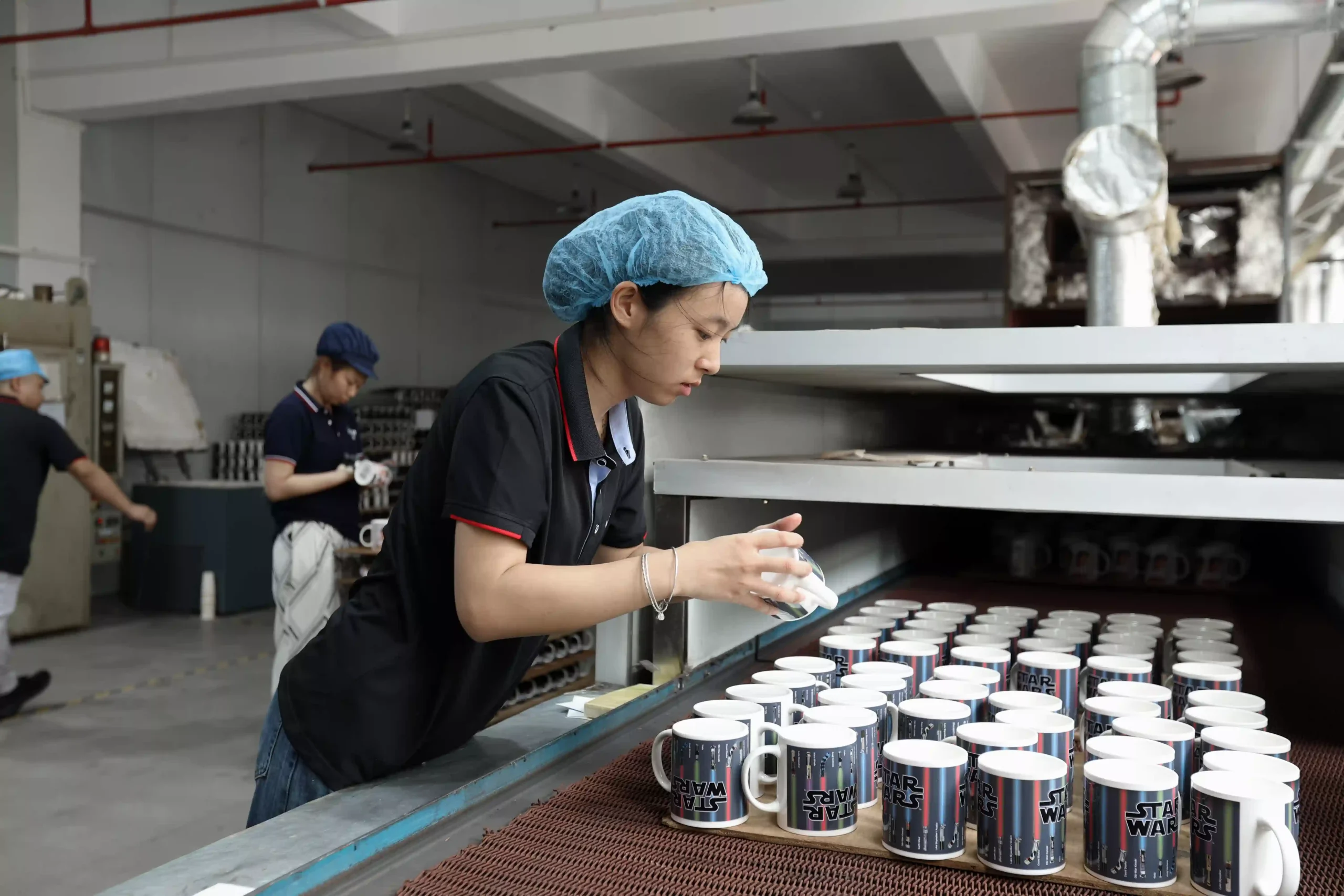
A color changing cup factory should understand common activation temperatures such as 5°C, 18°C, and 22°C for cold-change effects, as well as hot-change ranges for ceramic or coated products. The right choice depends on the target market, drink type, climate, cup material, and expected visual effect.
Cold Change Is Not One Single Formula
Cold-change cups usually change color when the cup surface cools to a certain temperature. However, “cold” can mean different things. A factory that rarely produces this category may not distinguish between different activation points.
Here are simplified examples:
| Activation Temperature | Typical Use Case | Buyer Concern |
|---|---|---|
| Around 5°C | Very cold drinks, ice water, freezer-like conditions | The effect may not show strongly with mildly cold drinks |
| Around 18°C | General cold beverages in many markets | The effect may trigger too easily in cool weather |
| Around 22°C | Mild cold-change effect, warmer climates | The product may partially change during storage or transport |
These numbers are examples for buyer evaluation. Exact performance depends on pigment supplier, formula, coating thickness, material, and test method. I always recommend physical sample testing before bulk production.
Climate and Season Affect the User Experience
A cup that performs beautifully in one region may behave differently in another. For example, a 22°C cold-change cup may show a visible effect quickly in a warm country when filled with cold water. But in a cool warehouse or winter retail shelf, the cup may already look partially changed before the consumer uses it.
That can create confusion:
- The customer may think the cup is defective.
- The retail display may not show the intended base color.
- The logo contrast may look weaker than expected.
- Product photos may differ from actual shelf appearance.
A knowledgeable factory should ask where the product will be sold. I usually consider the following:
- Target country or region
- Selling season
- Retail storage conditions
- Expected beverage temperature
- Indoor and outdoor use
- Shipping route temperature exposure
Material Also Changes the Result
Plastic, glass, ceramic, aluminum, and stainless steel do not behave the same way. Each material conducts heat differently. Each surface accepts pigment or coating differently.
For example:
- Plastic cups may use color-changing masterbatch, coating, or printing depending on the design.
- Glass cups often need surface coating or printing systems compatible with glass.
- Ceramic mugs commonly use heat-sensitive coating for hot-change effects.
- Aluminum bottles and stainless steel tumblers may need careful coating adhesion and curing control.
A traditional cup factory may understand the base material very well. But a professional color changing cup factory understands the interaction between material and pigment response.
Simple Buyer Test Method
For procurement evaluation, I like simple test routines before moving to bulk production:
- Place the sample at normal room temperature.
- Record the starting color with photos.
- Add water at the expected use temperature.
- Record the time needed for visible color change.
- Check whether the full surface changes evenly.
- Pour out the water and record recovery time.
- Repeat several cycles.
- Compare results under different room temperatures.
This is not a replacement for lab testing. However, it gives buyers a practical view of real user experience. For application-specific claims, buyers should request qualified testing from an appropriate lab or technical consultant.
How Should a Color Changing Cup Factory Choose the Right Printing Process?
Printing can make or break a color-changing cup project. The design may look beautiful on a rendering, but the wrong printing method can make the effect too weak, too costly, or hard to mass produce. This is where specialized experience becomes very important.
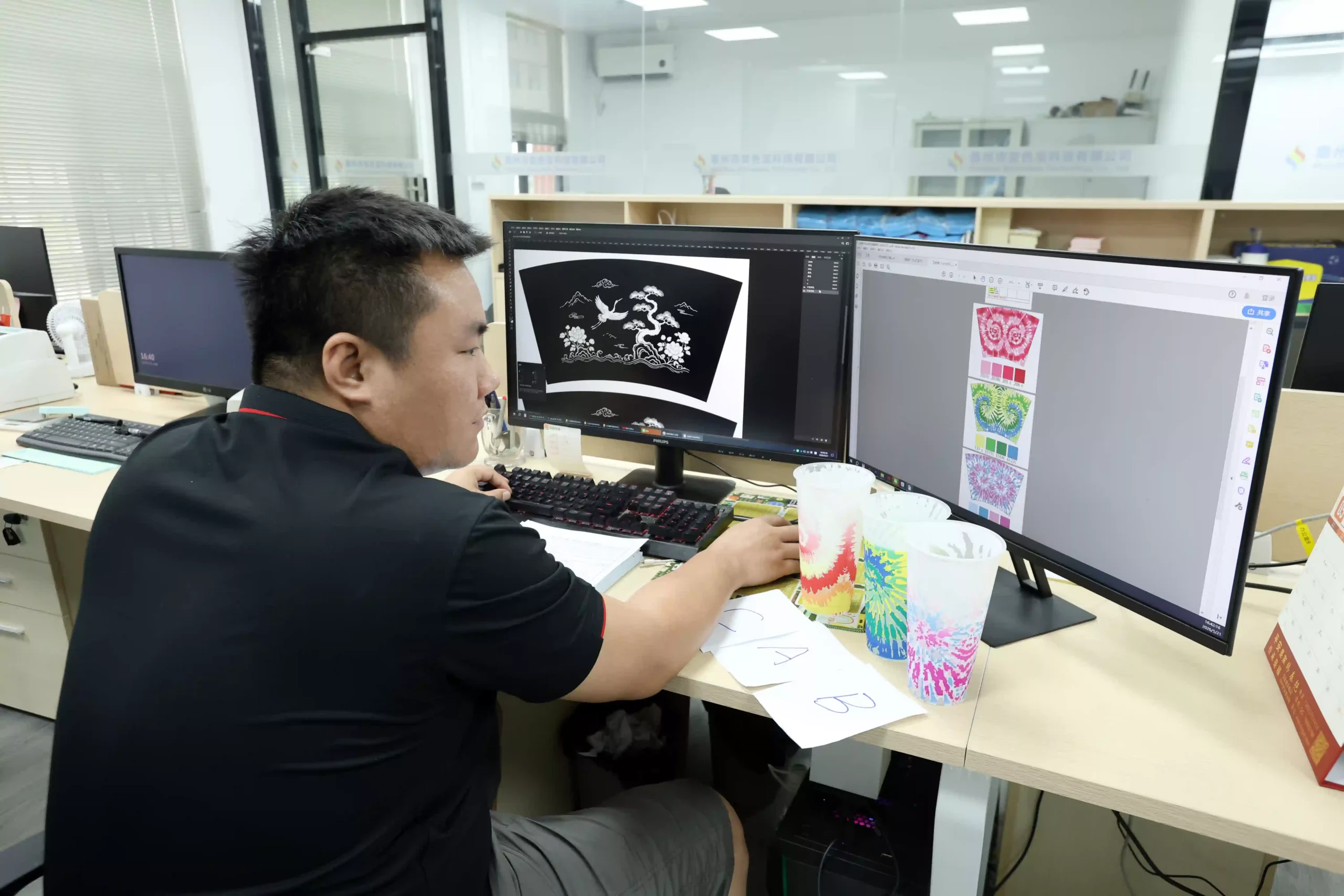
A color changing cup factory should choose printing based on the cup material, artwork coverage, color-change layer thickness, order quantity, durability requirement, and target cost. Gravure printing, screen printing, heat transfer, pad printing, spray coating, and decal methods all have different strengths and limitations.
Printing Thickness Affects Color Change
One common mistake is choosing a printing process only because it is cheap or familiar. For color-changing drinkware, ink thickness can change the final effect.
For example, gravure printing can be efficient for large quantities and continuous patterns. However, the color-changing layer may be too thin for some effects if the process is not adjusted correctly. The visual change may look weak.
Screen printing can create a thicker ink layer. This may improve the color-change effect, but it can increase labor cost, setup time, and unit price. If the buyer is competing for a price-sensitive promotional order, that cost may make the quote uncompetitive.
A professional supplier should balance these points instead of pushing one process every time.
Printing Process Comparison
| Process | Strengths | Limitations | Best Fit |
|---|---|---|---|
| Screen printing | Good opacity, thicker ink layer, strong color effect | Higher cost for complex multi-color designs | Logos, bold graphics, medium coverage |
| Gravure printing | Efficient for high-volume continuous designs | Layer may be thin if not engineered properly | Large runs, wraparound patterns |
| Heat transfer | Good for complex graphics | Adhesion and durability need checking | Detailed artwork on certain plastics |
| Pad printing | Good for small curved areas | Limited coverage | Small logos or icons |
| Spray coating | Good for full-surface color change | Requires strong coating control | Full-body effects |
| Decal printing | Common for ceramic/glass decoration | Needs firing or curing compatibility | Ceramic mugs and some glass items |
Design Should Match the Process
I often ask buyers for the artwork before I recommend a process. A simple one-color logo is very different from a full-wrap gradient design. A factory should not quote decoration blindly.
Useful artwork details include:
- Logo size
- Number of colors
- Full-wrap or partial print
- Pantone references
- Required base color
- Before-and-after color-change target
- Surface finish, such as matte or glossy
- Durability requirement, such as hand wash or dishwasher expectations
Buyers should be careful with dishwasher claims. Color-changing coatings and prints often need more conservative handling than ordinary drinkware decoration. If dishwasher resistance is required, buyers should request test reports and verify them against their own market requirements.
Why Process Choice Affects Order Success
For trade companies and brand buyers, the right printing process affects more than production. It affects whether you can win the order.
If the factory chooses an unnecessarily expensive method, your quotation may be too high. If the factory chooses a cheap but unsuitable method, the sample may fail approval. Both outcomes waste time.
A professional color changing cup factory should help you find a workable balance:
- Visual effect: Does the color change look strong enough?
- Cost: Can the price support your sales channel?
- MOQ: Does the process require high setup volume?
- Durability: Can it pass reasonable use expectations?
- Lead time: Can the process fit the delivery schedule?
- Repeatability: Can the same effect be produced again later?
In my experience, the best supplier is not always the one with the most machines. The best supplier is the one that knows which machine should be used for your design.
What Quality Control Should a Professional Color Changing Cup Factory Provide?
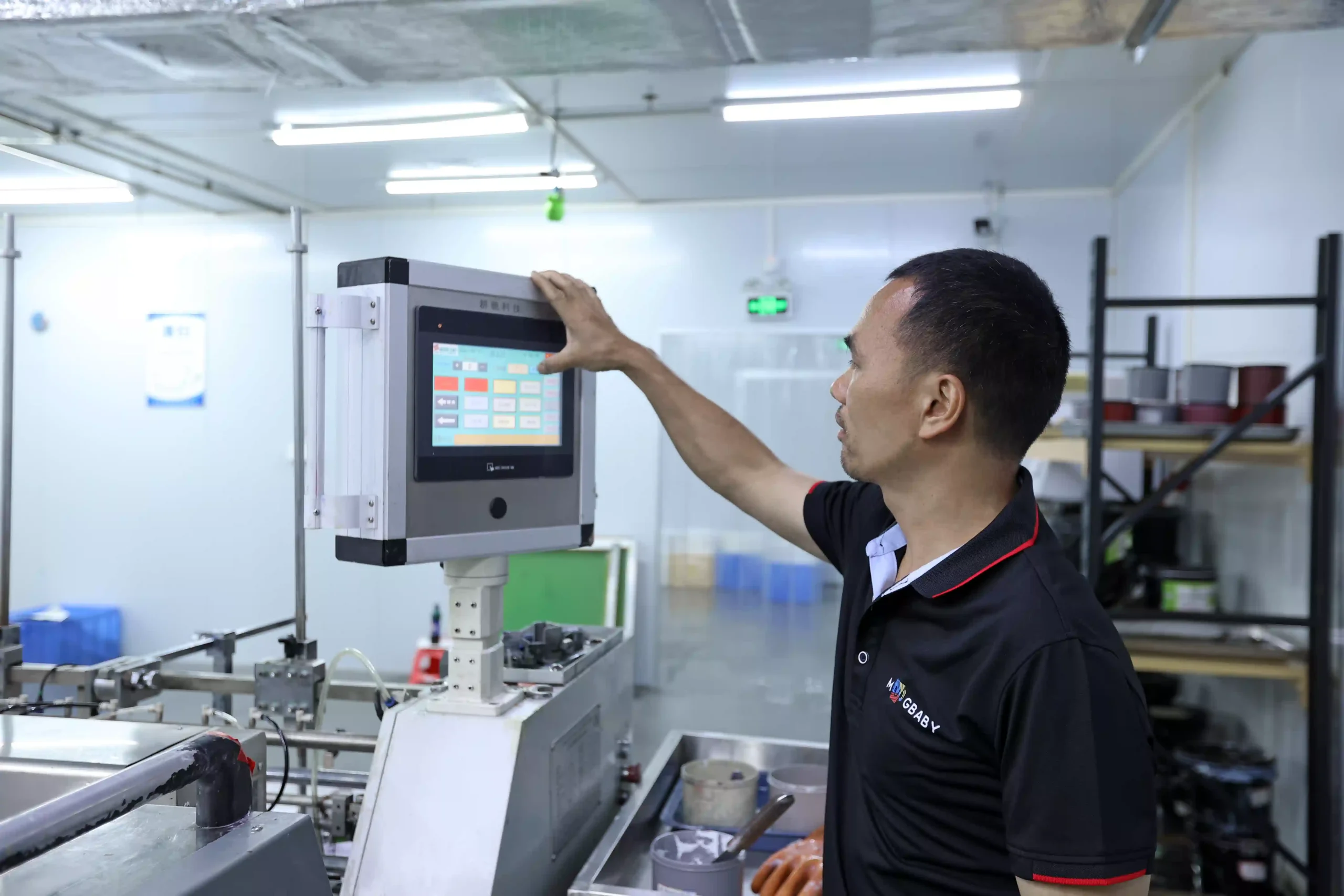
Quality control for color-changing cups must go beyond normal appearance inspection. A cup can look good at room temperature and still fail during use. Buyers need to verify color-change response, adhesion, printing quality, material safety documents, packing, and repeatability.
A professional color changing cup factory should provide incoming material checks, pre-production sample approval, color-change performance testing, printing adhesion checks, appearance inspection, packing inspection, and relevant compliance documents for buyer review. Buyers should verify certificates and request third-party testing when market regulations require it.
Key QC Points for Color-Changing Drinkware
Normal cup inspection usually checks size, appearance, logo position, leakage, packing, and quantity. Color-changing drinkware needs those checks too. But it also needs extra controls.
I would usually include these QC points:
-
Pigment batch verification The factory should track which pigment batch is used.
-
Color-change activation check Inspectors should test whether the cup changes at the expected temperature range.
-
Color uniformity check The surface should change evenly unless the design intentionally uses uneven effects.
-
Recovery check The cup should return toward its original color after temperature normalizes.
-
Print adhesion check The logo or coating should not peel easily under reasonable handling.
-
Appearance inspection Scratches, dust, uneven coating, and stains should be controlled.
-
Packing inspection Color-changing coatings may need protection against abrasion during transport.
Practical Inspection Table
| QC Stage | What I Check | Why It Matters |
|---|---|---|
| Incoming materials | Pigment, resin, ink, coating, packaging | Poor material control creates unstable results |
| Trial production | Formula, color effect, printing setup | Small problems become big problems in mass production |
| Pre-production sample | Approved physical sample | This becomes the production reference |
| In-process inspection | Color, logo, defects, temperature response | Early correction reduces scrap |
| Final inspection | AQL sampling, packing, quantity | Shipment quality must match buyer expectations |
| Document review | Test reports, certificates, material declarations | Buyers need records for compliance and customers |
Compliance Documents Should Be Verified
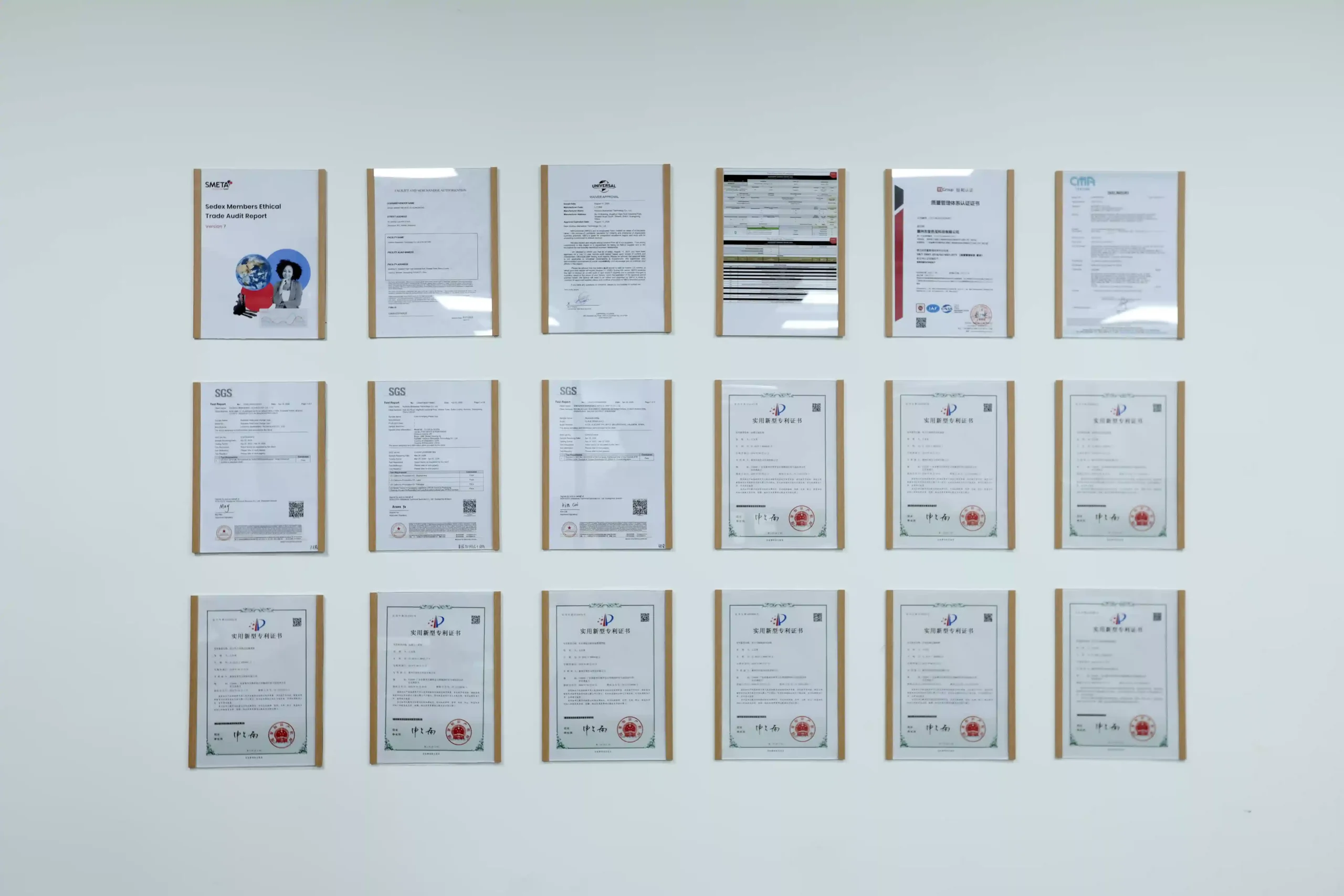
For B2B buyers, documents matter. Depending on the product material and destination market, buyers may need documents related to food contact safety, heavy metals, BPA, LFGB, FDA-related requirements, REACH, Prop 65, or other local standards. Factory audits such as ISO 9001, BSCI, Sedex, or similar documents may also be requested by some customers.
I treat these documents as items buyers should verify, not as marketing slogans. Buyers should:
- Check document validity dates
- Confirm the tested product matches the ordered product
- Confirm the tested material matches the actual material
- Review the laboratory name and report number
- Request updated tests if the formula or supplier changes
- Use third-party labs for market-specific compliance decisions
A factory with 36 years in drinkware manufacturing, like ours, may have strong internal systems and production experience. Still, each buyer should verify documents for their own product, market, and legal requirements.
Repeatability Is the Real Test
One good sample is not enough. The real question is whether the factory can repeat the same effect in bulk production and later reorders. That is why I look for stable pigment sourcing, formula records, production instructions, and sample retention.
A reliable color changing cup factory should keep approved samples and compare production against them. This reduces disputes and improves reorder consistency.
How Can Buyers Evaluate a Color Changing Cup Factory Before Placing an OEM/ODM Order?
Supplier evaluation should be practical. A nice website, low quotation, or fast reply does not prove that a supplier can handle color-changing drinkware. Buyers need evidence from samples, production history, process knowledge, quality control, and communication.
Buyers can evaluate a color changing cup factory by reviewing its pigment inventory, past production cases, sample quality, temperature expertise, printing recommendations, QC process, compliance documents, and ability to support OEM/ODM customization across materials such as plastic, glass, ceramic, aluminum, and stainless steel.
Start With Product Fit
Not every factory fits every project. I recommend that buyers define the project clearly before requesting a quotation.
A useful RFQ should include:
- Product type: plastic cup, glass cup, ceramic mug, aluminum bottle, stainless steel tumbler
- Capacity and size
- Target market
- Color-change type: cold change or hot change
- Desired activation temperature, if known
- Artwork file
- Logo position and print area
- Quantity
- Packaging requirements
- Required compliance documents
- Target delivery date
The clearer the RFQ, the easier it is to judge supplier competence. A professional supplier will ask follow-up questions. That is a good sign, not a delay.
Ask for Similar Samples
I prefer real production samples over perfect showroom samples. A showroom sample may be made carefully in small quantity. A production sample shows what the factory can repeat.
Buyers can ask:
- Have you made this material with color-changing effect before?
- Can you send a similar sample?
- Can you show a video of the color-change test?
- Can you explain the activation temperature?
- Can you recommend a cheaper or stronger printing method?
If a supplier cannot provide any similar example, the project may still be possible. But the buyer should budget more time for development and testing.
Evaluate Communication Quality
Good communication is underrated in OEM/ODM projects. Color-changing cups involve many variables. If the factory only answers “yes” to every request, it may not be protecting your project.
I trust suppliers more when they say things like:
- “This effect is possible, but the cost will be higher.”
- “This temperature may not suit your market.”
- “This printing method is cheaper, but the color change may be weaker.”
- “We suggest making a pre-production sample before mass production.”
- “Please verify this test standard with your compliance team.”
These answers show technical judgment. They also help buyers avoid surprises.
Supplier Evaluation Checklist
| Question | Strong Supplier Answer |
|---|---|
| Do you regularly produce color-changing cups? | Yes, with examples by material and process |
| Do you stock common thermochromic pigments? | Yes, with regular colors and temperature options |
| Can you advise activation temperature? | Yes, based on market, season, and drink type |
| Can you recommend printing options? | Yes, with cost and effect comparison |
| Do you provide QC checks? | Yes, including color-change testing |
| Can you support OEM/ODM? | Yes, with design, sample, production, and packing support |
| Can you provide documents? | Yes, for buyer verification and third-party testing if needed |
Why Experience Matters in This Niche
Our business has spent 36 years in drinkware manufacturing, and I have learned that niche products punish guesswork. Color-changing drinkware looks fun and simple to consumers. But for trade companies and brands, it needs controlled production.
A professional color changing cup factory should not only make the cup. It should help you reduce project risk. It should guide pigment selection, printing method, material choice, sample testing, and final inspection.
That support is especially important for European, American, Japanese, and Korean buyers who often have strict expectations for product quality, factory reliability, documentation, and delivery control.
Frequently Asked Questions
What is the most important thing to check in a color changing cup factory?
The most important thing is whether the factory regularly produces color-changing drinkware. I would check pigment inventory, activation temperature knowledge, real production samples, printing recommendations, and QC procedures. A general drinkware factory may be capable, but it usually carries more development risk.
Why are color-changing cups more expensive than normal cups?
Color-changing cups are more expensive because thermochromic pigment is costly, formulas need testing, and printing or coating processes require tighter control. Pigment can cost around 2,000 RMB per kilogram in some cases. Specialized factories reduce waste by using mature formulas and regular material stock.
Which activation temperature is best for cold color-changing cups?
There is no single best temperature. Common cold-change options may include around 5°C, 18°C, and 22°C. The right choice depends on the market climate, season, drink temperature, material, and expected visual effect. I recommend testing real samples before confirming bulk production.
Can color-changing cups be dishwasher safe?
Some products may pass certain washing tests, but buyers should be careful with dishwasher claims. Color-changing coatings and prints can be more sensitive than normal decoration. I recommend requesting test reports, verifying the exact product tested, and using professional lab evaluation for market-specific requirements.
What materials can be used for color-changing drinkware?
Color-changing effects can be developed for plastic, glass, ceramic, aluminum, and stainless steel drinkware, but each material needs a suitable pigment, coating, or printing process. Buyers should ask for similar production samples and confirm adhesion, color response, and compliance documents before mass production.
Conclusion
A professional color changing cup factory is not just a normal cup supplier with access to special pigment. It needs stable thermochromic material supply, mature color formulas, temperature-selection experience, printing process knowledge, and disciplined quality control. If you are sourcing OEM/ODM color-changing drinkware, I recommend evaluating the factory before comparing price alone. If you need plastic, glass, ceramic, aluminum, or stainless steel color-changing cups for bulk customization, contact us to review your design and build a practical production plan.