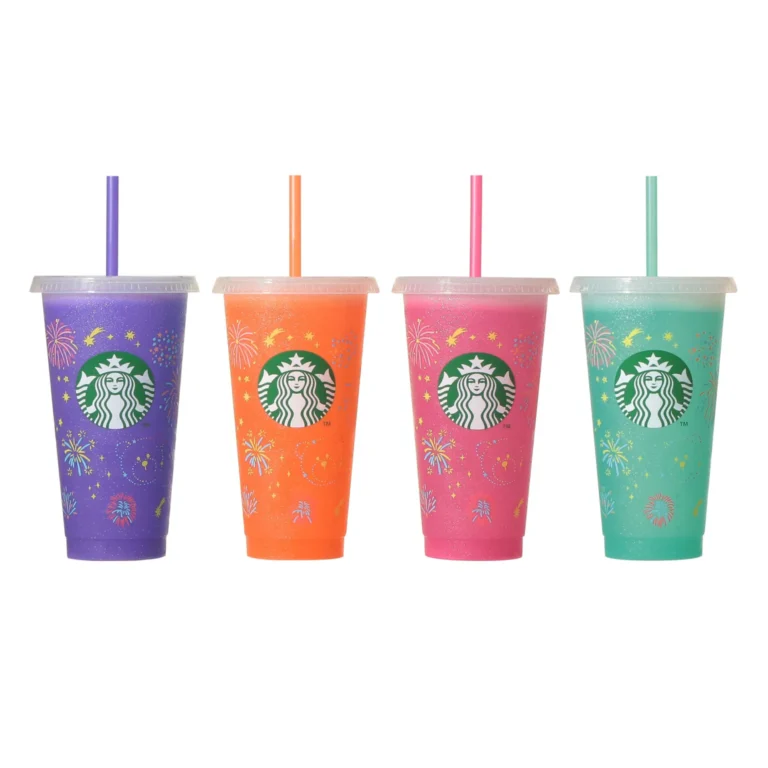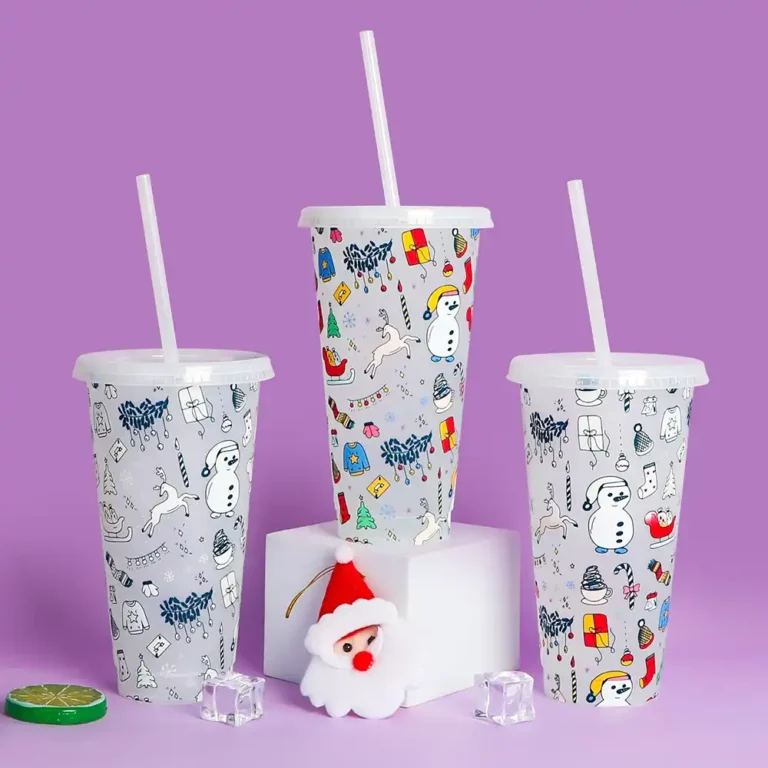

Collectible cups can look unnecessary at first, especially when a kitchen cabinet is already full. The problem is that “need” explains only the function, not the feeling. When brands understand the emotion behind collectible drinkware, an ordinary cup can become a memory, identity marker, and repeat purchase opportunity.
People collect cups they do not need because each cup can represent something beyond utility: a memory, a lifestyle, a favorite brand, a community, or the satisfaction of completing a set.1 The most successful collectible cups combine emotional meaning, distinctive design, reliable quality, and everyday usability.

I have seen this pattern many times in drinkware development. Buyers may begin with a simple product brief, but the best projects often grow into something more interesting: a seasonal story, an event souvenir, a brand collaboration, or a cup that changes color and invites people to interact with it.
Why Are Collectible Cups More Than Functional Drinkware?
A cup solves a simple problem: it holds a drink. But collectible cups solve a different problem. They help people remember a place, show personal taste, join a community, or express a version of themselves in daily life.2
Collectible drinkware works because people use it in visible, repeated moments.3 A tumbler on a desk, a coffee cup in a car, or a stadium cup on a shelf can become part of someone’s routine and personal story.
A Cup Is More Than a Cup
Drinkware has moved far beyond basic function. People now choose cups the way they choose sneakers, phone cases, tote bags, or notebooks. The item still has a practical role, but the design communicates taste.4
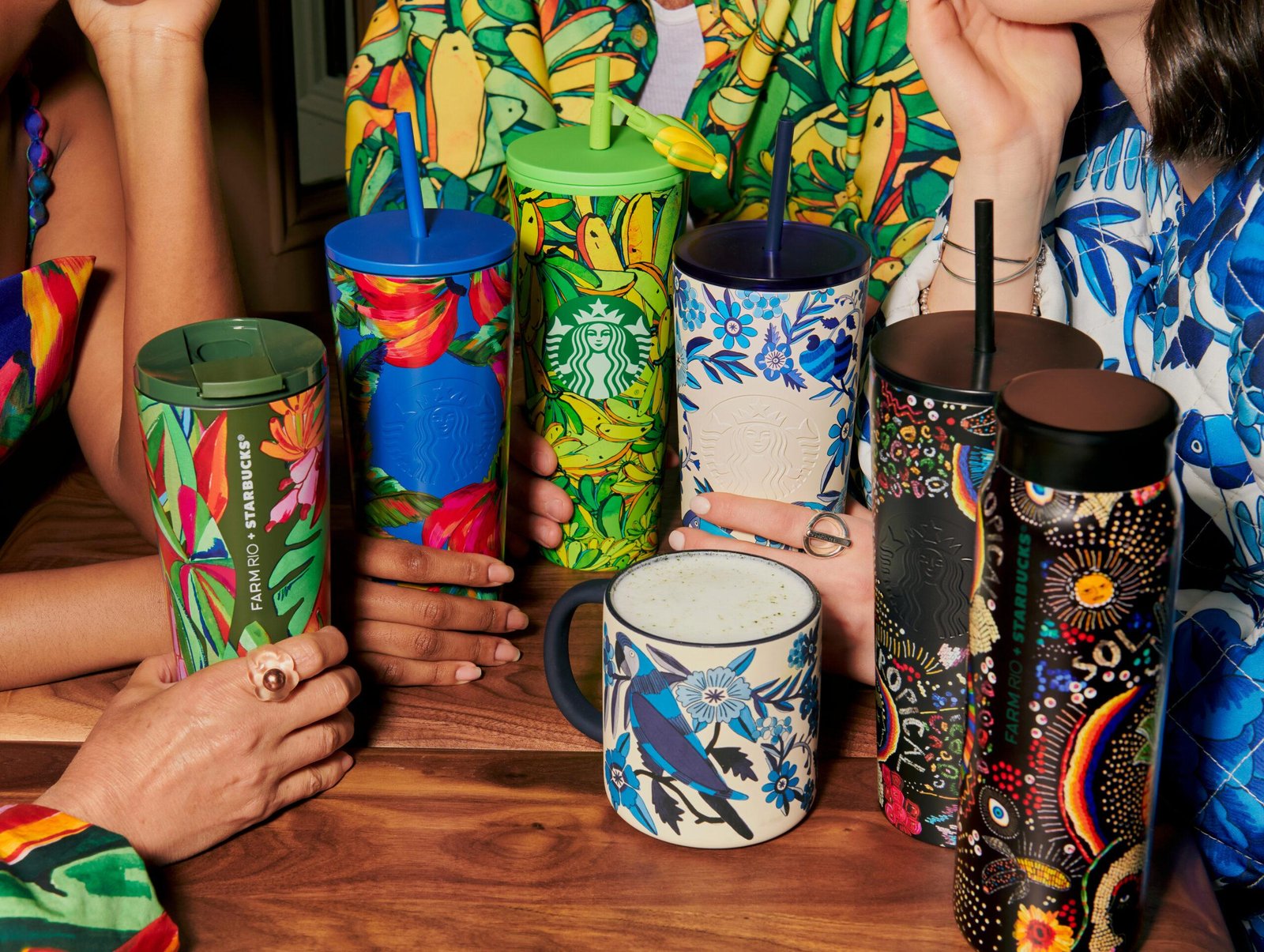
A matte stainless steel tumbler may suggest a clean outdoor lifestyle. A colorful plastic cold cup may feel playful and social. A ceramic mug with a local illustration may remind someone of a trip. A color-changing cup can turn a normal drink moment into a small surprise.
For brands, this shift matters. It means branded drinkware should not be treated only as a logo carrier. A logo is important, but it is not enough. The product should answer a deeper question:
Why would someone want to keep this cup after the campaign ends?
That question separates disposable promotional items from collectible products.
What Buyers Should Notice
For retailers, promotional product buyers, and brand teams, collectible potential often depends on five things:
| Factor | Why It Matters |
|---|---|
| Visual identity | The cup must be recognizable at a glance. |
| Story | The design should connect to a season, event, place, or emotion. |
| Quality | A collectible still needs to perform well in daily use. |
| Series logic | People collect more easily when products belong to a clear set. |
| Timing | Seasonal or limited launches create natural urgency. |
I once worked on a seasonal drinkware concept where the first design was attractive but flat. After the team connected each color to a different festival mood, the collection became easier to understand. The product did not change much structurally, but the reason to collect became stronger.
What Psychology Makes Collectible Cups So Appealing?
Collectible cups appeal to common human motivations. People collect because they remember, identify, belong, achieve, and desire uniqueness. These motivations are simple, but they can create strong repeat purchase behavior when a product feels meaningful.
The psychology behind collectible tumblers and cups is not only about owning more objects. It is about attaching emotion to objects that people can see, use, and display.
1. Memory
A cup from a concert, theme park, sports game, café trip, or university event can act like a souvenir.5 It brings back a specific day. Unlike a ticket stub, it can also be used again.
2. Identity
People use objects to signal who they are.6 A minimalist bottle, a retro diner mug, or a bold character tumbler says something about personality. This is why collectible tumblers often succeed when they match a lifestyle clearly.
3. Belonging
Brand communities are powerful. Fans may buy cups connected to sports teams, entertainment franchises, cafés, or online creators because the product confirms group membership.7
4. Achievement
Collections create progress.8 When a brand releases four seasonal cups, eight city designs, or a yearly holiday series, customers may want to complete the set. The motivation is not always rational, but it feels satisfying.
5. Exclusivity
Limited edition cups create urgency because people know the design may disappear. Scarcity can raise perceived value9, but brands should use it carefully. If scarcity feels manipulative or too extreme, customers may become frustrated instead of loyal.10
Real-World Examples
Several public examples show how drinkware becomes collectible:
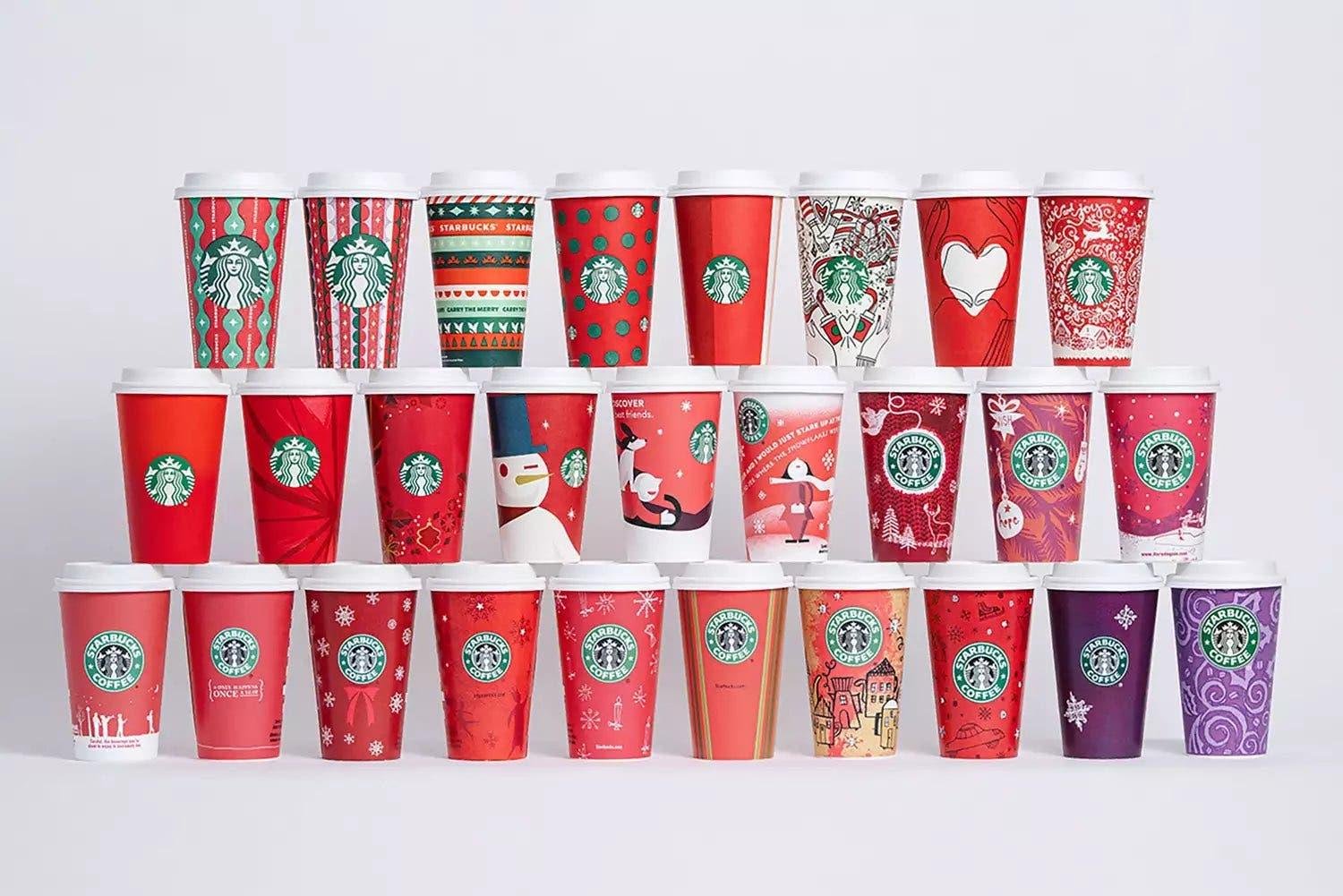
- Starbucks seasonal cups often attract attention because they connect design, ritual, and limited-time availability.
- Theme parks use refillable mugs and character drinkware as souvenirs tied to place and experience.
- Sports events sell branded cups that help fans remember a game, tournament, or championship.
- Entertainment franchises use character-themed drinkware to connect products with fan identity.
These examples share one idea: the cup is not only a container. It is a physical reminder of participation.
How Do Brands Turn Collectible Cups Into Product Strategy?
Brands turn collectible cups into strategy by designing around occasions, communities, and repeatable product systems. A single cup can sell once, but a thoughtful collection can create anticipation, conversation, and repeat purchases.
Limited edition cups, seasonal drinkware, collaborations, and event products work best when the design has a reason to exist. Scarcity may attract attention, but story and quality help the product last.
Common Collectible Drinkware Strategies
Brands usually create collectible value through several familiar formats:
-
Seasonal collections
Spring colors, summer cold cups, Halloween designs, holiday mugs, and New Year editions give consumers a timely reason to buy. -
Limited-edition releases
These work well when the quantity or time window is clear. However, brands should avoid making products so scarce that loyal customers feel excluded. -
Brand collaborations
A coffee brand may collaborate with an artist. A beverage brand may work with a fashion label. A sports team may release co-branded tumblers with a sponsor. -
Event collectibles
Concerts, marathons, trade shows, festivals, and sports games all create emotional moments that drinkware can preserve. -
Character-themed products
Characters give immediate visual recognition. They also work well across age groups, especially when design execution feels fresh rather than generic.
Why Drinkware Is Especially Suitable
Drinkware is one of the best categories for collectible product strategy because it is practical, visible, and customizable. A person may not need ten cups, but they may still use different cups for different moods, drinks, seasons, and places.
From a manufacturing perspective, the category also offers many design levers:
| Design Lever | Example Application |
|---|---|
| Material | Plastic, glass, ceramic, aluminum, stainless steel |
| Surface effect | Matte, glossy, metallic, frosted, textured |
| Printing | Screen printing, heat transfer, sublimation, decal, laser marking |
| Interaction | Color-changing, glow effect, temperature-sensitive decoration |
| Structure | Straw cup, travel tumbler, mug, bottle, double-wall cup |
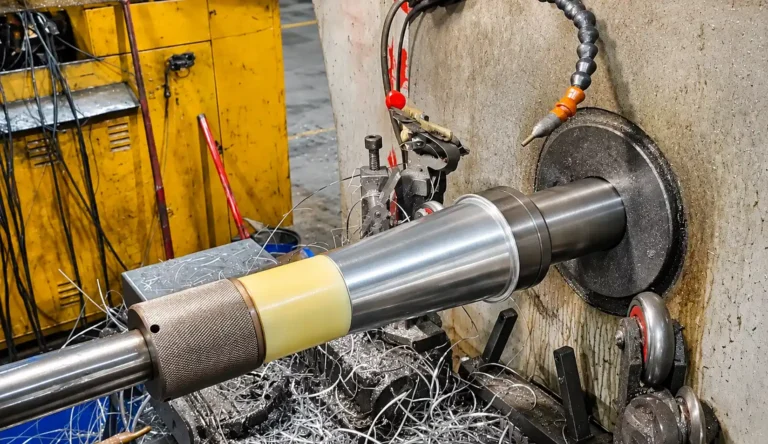
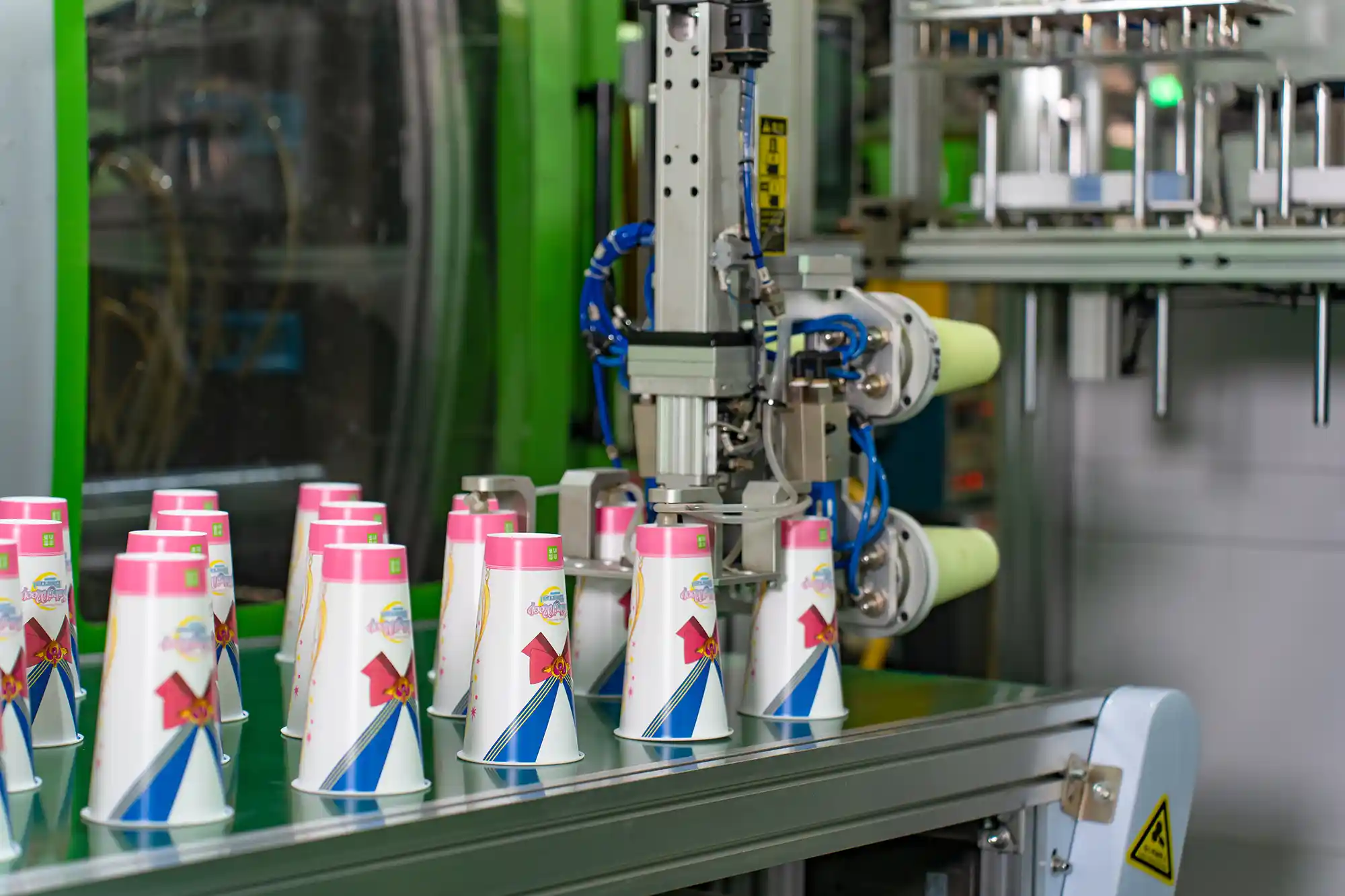
As a drinkware manufacturer, I pay close attention to how creative ideas translate into production reality. A beautiful concept still needs suitable materials, stable decoration, packaging protection, and quality control. For technical or compliance-sensitive projects, buyers should verify supplier documents, test reports, and application-specific requirements with qualified professionals.
What Makes Collectible Cups Worth Keeping?
Collectible cups become worth keeping when they balance emotion and function. A product may attract attention through design, but people keep it when it feels good to use, looks consistent with the collection, and holds personal meaning.
The strongest collectible drinkware has a clear visual identity, a meaningful theme, consistent series design, interesting materials or effects, and reliable everyday performance.
Five Design Principles
1. A Distinctive Visual Identity
A collectible cup should not look like every other cup on the shelf. Shape, color, artwork, finish, and logo placement all help build recognition.
2. A Meaningful Theme or Story
Good themes are easy to explain. “Summer road trip,” “city café series,” “team championship,” or “winter color-changing collection” gives people a reason to care.
3. Consistency Across a Collection
Collectors like patterns. A series should feel connected through shared shapes, color systems, icons, packaging, or numbering.
4. Interesting Materials and Effects
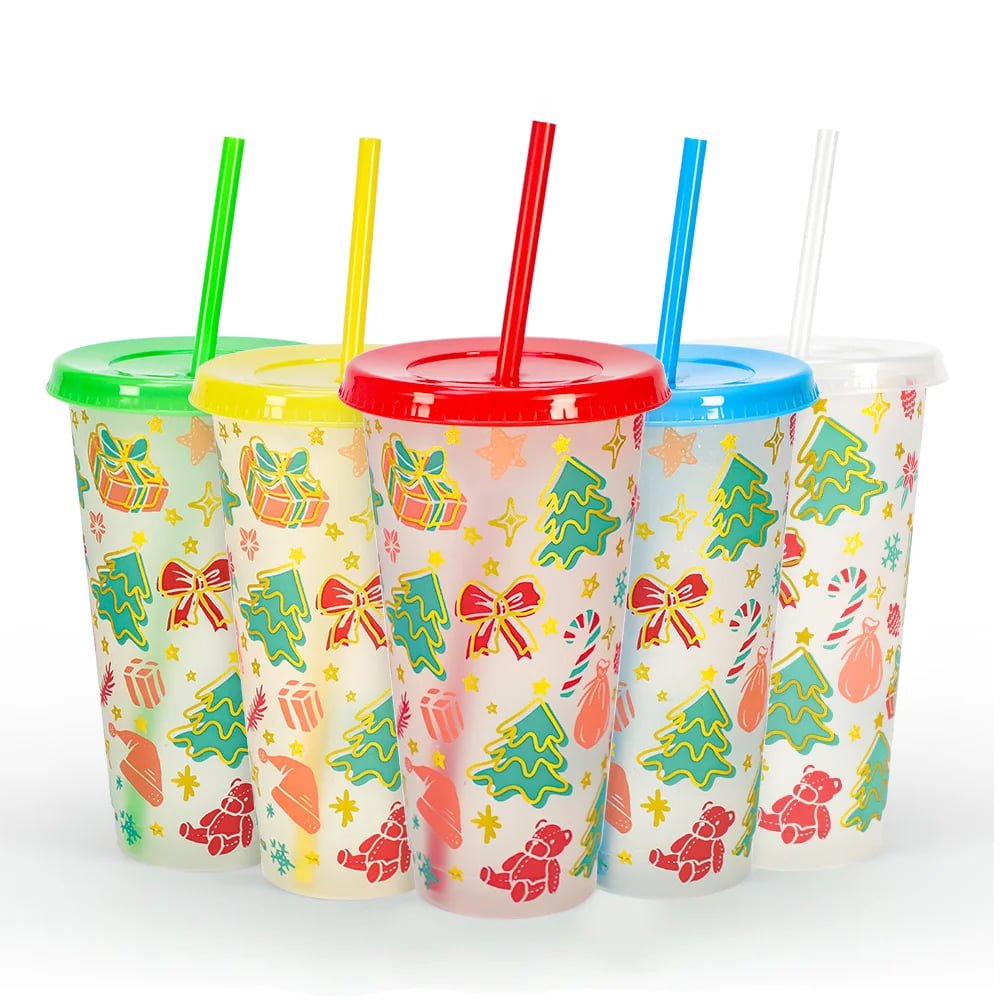
Special effects can increase emotional value. Color-changing drinkware is a strong example because the user experiences a visible transformation when temperature changes.11 That interaction makes the cup more memorable.
5. Practical Usability and Reliable Quality
A collectible product still needs to work. Lids should fit well. Printing should resist normal use. Materials should match the intended beverage and market requirements.12 Packaging should protect the product during shipping.
From Passion to Product Opportunity
For drinkware brands, promotional buyers, and retailers, consumer collecting behavior can inspire practical product ideas:
- Seasonal cold cup sets for cafés and beverage brands
- Event cups for concerts, festivals, races, and sports teams
- Custom promotional cups for campaigns that need longer product life
- Color-changing tumblers for summer drinks or youth-focused launches
- Multi-material collections that include ceramic mugs, glass cups, and stainless steel bottles
- Regional or city series for travel retail and tourism brands
In our own manufacturing work, I have seen how color-changing technology can turn a simple product into a talking point. The effect is not only visual. It creates a moment. Someone adds a cold drink, the cup changes, and people nearby notice. That small interaction can make the product more shareable and easier to remember.
Still, buyers should evaluate more than novelty. They should ask:
- Does the effect fit the brand story?
- Is the material suitable for the target market?
- Can the supplier control color consistency?
- Are printing and decoration methods durable enough?
- Can the factory support bulk production with stable quality?
These questions are not glamorous, but they protect the product experience.
Frequently Asked Questions
Are collectible cups only popular because of limited editions?
No. Limited editions can create urgency, but collectible cups also succeed because of memory, identity, design, and usability. A scarce cup with poor quality may disappoint customers. A well-designed cup with a strong story can remain desirable even without extreme scarcity.
What types of drinkware work best for collections?
Tumblers, cold cups, ceramic mugs, glass cups, and stainless steel bottles all work well. The best choice depends on the brand, target audience, beverage type, price point, and decoration method. Buyers should match the product format to the user occasion.
How can brands make custom promotional cups feel collectible?
Brands can build collectible value through themed artwork, seasonal colorways, numbered series, collaborations, event-specific designs, and interactive effects such as color changing. The cup should feel like a keepsake, not just a logo item.
Should collectible drinkware focus more on design or quality?
It needs both. Design attracts the first purchase, but quality protects the brand after daily use. Buyers should check materials, decoration durability, lid fit, packaging, and supplier quality control before approving bulk production.
Why are color-changing cups effective for collectible campaigns?
Color-changing cups create interaction. The product responds to temperature, so the user experiences a small surprise during normal use. This makes the cup more memorable and can help seasonal, promotional, and youth-focused collections stand out.
Conclusion
Collectible cups are not really about needing another cup. They are about memory, identity, belonging, achievement, and the pleasure of owning something meaningful. For brands, the opportunity is clear: successful collectible drinkware should create an experience, tell a story, and still perform well in daily use. If you are planning custom promotional cups, limited edition cups, or a full drinkware collection, start with the emotion first, then build the product carefully around it.
"Exploring Consumer Collecting Behavior: A Conceptual ...", https://epublications.marquette.edu/cgi/viewcontent.cgi?article=1277&context=market_fac. Consumer research on possessions and collecting describes owned objects as extensions of the self and as carriers of memory, identity, social affiliation, and symbolic meaning beyond functional use. Evidence role: expert_consensus; source type: paper. Supports: A scholarly source should show that consumer possessions and collections often serve symbolic, identity-related, emotional, and social functions beyond utility.. Scope note: The source would support the general psychology of object ownership and collecting, not collectible cups specifically. ↩
"Representation of the Self-Concept and Identity-Based Choice", https://home.uchicago.edu/ourminsky/WeDoWhatWeAre_Chen_Urminsky_Yu.pdf. Studies of material possessions and consumer identity show that everyday objects can communicate personal taste, preserve autobiographical associations, and help individuals express social identity. Evidence role: general_support; source type: paper. Supports: A source should support the idea that ordinary consumer objects can communicate identity, taste, memory, and social belonging.. Scope note: The evidence is contextual and applies to consumer objects broadly rather than drinkware alone. ↩
"Identity-based consumer behavior", https://home.uchicago.edu/~bartels/ChoiceSymposium2013/10-Puntoni.pdf. Research on observable consumption indicates that visible products can function as identity signals, making everyday use relevant to how consumers communicate taste and group affiliation. Evidence role: mechanism; source type: paper. Supports: A source should explain how visible consumer goods can signal identity and social meaning during repeated or public use.. Scope note: The source would explain the visibility mechanism generally and would not prove that drinkware is more collectible than other visible goods. ↩
"Understanding the effect of brand identity driven by consumer ...", https://pmc.ncbi.nlm.nih.gov/articles/PMC9521331/. Consumer-design research finds that product aesthetics can shape symbolic meaning and allow functional goods to communicate taste, identity, and social positioning. Evidence role: general_support; source type: paper. Supports: A source should support that product aesthetics and design choices can convey consumer taste and identity while products retain practical functions.. Scope note: The support is broad and applies to designed consumer products generally, not only cups. ↩
"Their Role In Tourism Industry, Cultural Heritage And ...", https://www.academia.edu/44465864/Souvenirs_Their_Role_In_Tourism_Industry_Cultural_Heritage_And_Their_Utilization_In_Experiential_Teaching. Tourism and material-culture scholarship characterizes souvenirs as objects that materialize memories of places and experiences, supporting the view that event- or location-specific drinkware can serve as a keepsake. Evidence role: historical_context; source type: paper. Supports: A source should define souvenirs as material objects that preserve memories of places, events, or experiences.. Scope note: The evidence concerns souvenirs broadly and does not establish that cups are the dominant souvenir format. ↩
"THE IMPACT OF SELF-CONCEPT CLARITY ON CONSUMER ...", https://scholarworks.calstate.edu/downloads/g445cq10b. Belk’s theory of the extended self argues that possessions can become part of how individuals define and communicate who they are. Evidence role: expert_consensus; source type: paper. Supports: A source should support that possessions are used to construct, express, and communicate personal identity.. ↩
"Social identification with a team boosts fans' social well-being", https://news.illinois.edu/social-identification-with-a-team-boosts-fans-social-well-being/. Research on brand communities and fan identification shows that branded objects can reinforce a consumer’s sense of belonging to a group or community. Evidence role: mechanism; source type: paper. Supports: A source should show that brand communities and fan affiliations can shape purchasing because products express group membership.. Scope note: The evidence supports the group-membership mechanism generally and may not focus specifically on drinkware. ↩
"The Goal-Gradient Hypothesis Resurrected", https://home.uchicago.edu/ourminsky/Goal-Gradient_Illusionary_Goal_Progress.pdf. Goal-gradient and endowed-progress research indicates that perceived progress toward completion can increase motivation, providing a psychological basis for set-based collecting. Evidence role: mechanism; source type: paper. Supports: A source should support that perceived progress toward a goal or set completion can increase motivation and continued behavior.. Scope note: The source would support the progress mechanism, not necessarily all forms of collectible-cup purchasing. ↩
"A Quantitative Review of the Commodity Theory Literature", https://ecommons.cornell.edu/bitstreams/0a6de062-ba40-4119-ab56-dc826c45e297/download?utm_source=consensus. Experimental research on scarcity and commodity theory has found that limited availability can increase perceived desirability or value of an object. Evidence role: mechanism; source type: paper. Supports: A source should show that scarce or less available goods can be perceived as more valuable or desirable.. Scope note: The effect can vary by context, product type, and consumer interpretation of why the item is scarce. ↩
"Scarcity messages: A consumer competition perspective", https://experts.umn.edu/en/publications/scarcity-messages-a-consumer-competition-perspective/. Research on scarcity appeals and psychological reactance suggests that scarcity can produce negative consumer responses when it is perceived as manipulative, unfair, or overly restrictive. Evidence role: mechanism; source type: paper. Supports: A source should show that scarcity appeals may reduce favorable responses when they trigger reactance, perceptions of manipulation, or unfairness.. Scope note: The source would support the potential backfire mechanism rather than quantify frustration among collectible-cup buyers. ↩
"Recent Advances in Reversible Thermochromic Materials for ...", https://pmc.ncbi.nlm.nih.gov/articles/PMC12942208/. Materials research on thermochromism describes pigments and coatings that undergo visible color changes in response to temperature variation, explaining the functional basis of color-changing drinkware. Evidence role: mechanism; source type: paper. Supports: A source should explain that thermochromic materials or pigments change color when exposed to changes in temperature.. Scope note: The source would explain the material mechanism and may not evaluate consumer appeal. ↩
"Food Packaging & Other Substances that Come in Contact ...", https://www.fda.gov/food/food-ingredients-packaging/food-packaging-other-substances-come-contact-food-information-consumers. Food-contact material regulations and guidance generally require materials used with foods or beverages to be suitable for their intended conditions of use and compliant with the applicable jurisdiction’s requirements. Evidence role: general_support; source type: government. Supports: A government or regulatory source should support that food-contact materials are assessed or regulated according to intended conditions of use and market requirements.. Scope note: Specific requirements differ by country, material, beverage type, temperature, and intended use. ↩