
Project Overview
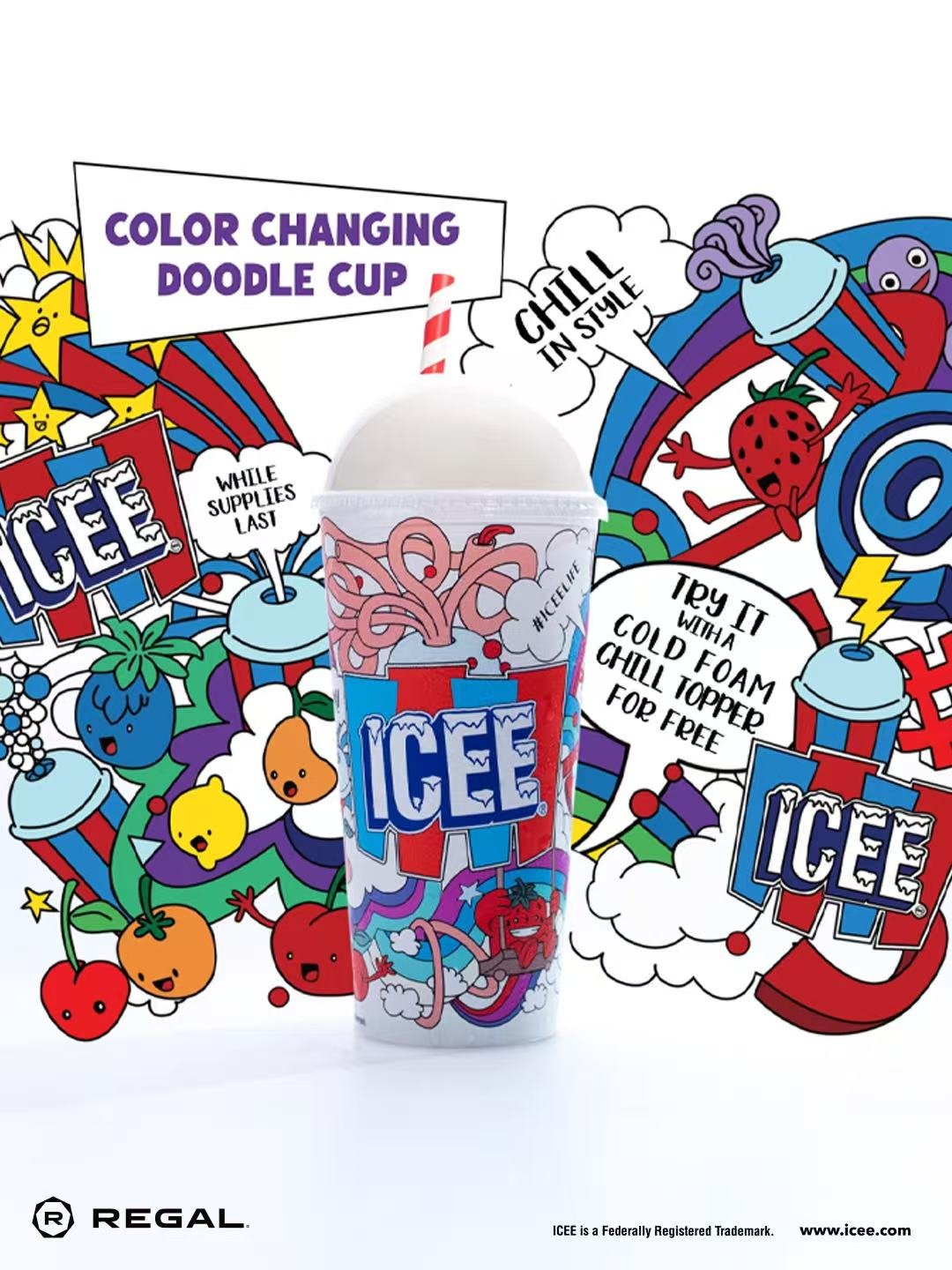
In 2021, Mugbaby began its first collaboration with ICEE on a large-scale custom color-changing cup project.
The order involved 400,000 cups, with demanding requirements for mold development, robotic arm design, printing, and mass production.
At the time, our injection molding operations still relied on manual insert placement. We had not yet introduced robotic arms into our production lines.
This project was more than a large production order. It was a major challenge that required us to rethink how we manufactured our products.
The Challenge: Building Automation While Preparing for Mass Production
One of the biggest challenges was the production setup itself.
ICEE required us to handle the entire process, including:
- Mold development
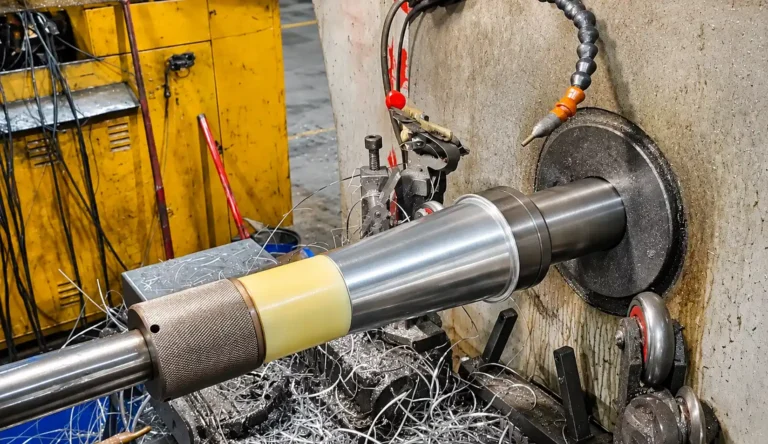
- Robotic arm design
- Printing and decoration
- Mass production
Under normal circumstances, mold development alone takes approximately 30 days. Only after the mold is completed can the robotic system be tested under actual production conditions, followed by further adjustments and optimization.
This created a significant challenge for our team. We had to coordinate mold development, robotic system design, printing preparation, and production planning within a very demanding schedule.
At that time, our production capacity depended heavily on manual insert placement.
The difference in potential production capacity was substantial:
| Production Method | Estimated Daily Output |
|---|---|
| Manual insert placement | Approx. 7,000 cups |
| Robotic insert placement | Approx. 14,000 cups |
Introducing robotic automation offered the potential to double daily production capacity.
However, developing the equipment was only part of the challenge. The robotic system also needed to work reliably with the mold and injection molding process.
We had to develop a new production capability while preparing to fulfill a 400,000-piece order.
The Color Challenge: Making Every Color Count
Production efficiency was not our only concern. Achieving the required color performance was another major technical challenge.
ICEE had very specific expectations for the printed design.
The product contained two different types of color areas, each requiring a different approach:
Non-Color-Changing Areas
These areas required precise spot-color printing to ensure accurate and consistent color reproduction.
Color-Changing Areas
The thermochromic colors needed to appear rich, vibrant, and visually striking. The color-changing effect could not look dull or washed out.
Balancing these requirements took considerable development work.
Our team repeatedly adjusted the thermochromic powder blend and increased the printing layer thickness to improve color saturation and visual performance.
Rather than settling for the first acceptable sample, we continued testing, evaluating, and refining the printing process until the results better matched the customer's expectations.
This project demonstrated that achieving a successful color-changing product requires more than simply using thermochromic materials. Powder formulation, printing thickness, and color control all play important roles.
Our Solution: Commitment, Coordination, and Continuous Optimization
With the delivery deadline approaching, our team worked extended hours to move the project forward.
We pushed ahead with mold design and development while dedicating significant effort to printing tests and process optimization.
Every stage required close coordination between our engineering, printing, and production teams.
The goal was not simply to make the cups. We needed to bring together the mold, robotic system, printing process, and production workflow into a workable manufacturing solution.
It took considerable effort, repeated adjustments, and close teamwork.
Eventually, we successfully completed the full order of 400,000 cups, delivering the required quantity on schedule.
More Than a Successful Order: A Turning Point for Mugbaby
Looking back, we are genuinely grateful to ICEE.
This project challenged us to move beyond our existing production methods and take our first major steps toward automation.
At the time, robotic insert placement was a new capability we had not yet established. The demands of this project pushed us to invest in equipment development, explore new production methods, and rethink our manufacturing approach.
What began as a challenging 400,000-piece order became an important turning point in Mugbaby's manufacturing journey.
Today, every injection molding machine in our factory is equipped with a robotic arm. Our injection molding operations have achieved full mechanization.
The production capability we started developing for this project has since become part of our everyday manufacturing infrastructure.
We are proud of how far we have come, but we are equally grateful to the customers who challenge us to grow.
A Project That Helped Us Become Better
Some projects are remembered for the products they deliver. Others are remembered for the changes they bring to a company.
Our first collaboration with ICEE belongs to the second category.
It taught us to take on greater challenges, invest in better production capabilities, and continuously improve the way we manufacture.
For us, manufacturing is not just about fulfilling today's orders. It is also about becoming better prepared for tomorrow's challenges.
Sometimes, a demanding project doesn't just help us make a better product. It helps us become a better manufacturer.
Thank you, ICEE, for being part of this important chapter in Mugbaby's journey.