
From Sustainable Packaging to Colorful, Customizable Drinkware: Understanding the Rise of Aluminum Cups
Aluminum cups are attracting growing attention in the drinkware market. From sports stadiums and music festivals to outdoor activities and branded promotional products, more businesses are exploring aluminum as an alternative to traditional plastic and stainless steel drinkware.
But why aluminum? It is not a new material. What has changed is how manufacturers and brands are using it.
Today, aluminum cups offer more than a lightweight metal alternative. Their recyclability, familiar appearance, colorful anodized finishes, and excellent thermal conductivity create new opportunities for drinkware design and branding.
At Mugbaby, through our conversations with customers and our experience developing custom drinkware, we have noticed several reasons behind this growing interest.
Aluminum: A Material Associated with Sustainability and Familiarity
Aluminum has a strong position in the global beverage market because of its recyclability and long history of use in beverage packaging.
Unlike some materials, aluminum can be recycled repeatedly without fundamentally changing its material properties1. This makes it attractive to brands looking to explore more sustainable packaging and reusable drinkware options.
However, recyclability does not automatically mean every aluminum product is environmentally friendly. Actual environmental benefits depend on recycled content, collection systems, manufacturing energy, and product lifespan.2
There is another interesting reason consumers may naturally accept aluminum cups.
Think about everyday beverages: soda, beer, sparkling water, and energy drinks. Many of these products come in aluminum cans.3
Consumers have developed a long-standing familiarity with aluminum as a beverage packaging material. This familiarity can create a positive first impression when they encounter aluminum drinkware.
Of course, consumer familiarity should not be confused with proof of food-contact safety. The actual safety of an aluminum cup depends on its material composition, surface treatment, and applicable food-contact testing.4
Lightweight and Excellent Thermal Conductivity
Aluminum is attractive because it combines relatively low weight with excellent thermal conductivity5.
Its lightweight characteristics make it particularly suitable for single-wall drinkware.
Stackable aluminum cups are also interesting for event organizers and beverage brands because their simple structures can help save storage and transportation space6.
Another important advantage is thermal conductivity.
Aluminum transfers heat quickly. When a cold beverage is poured into an aluminum cup, the cup wall responds rapidly to the temperature difference, creating a noticeable cold-to-the-touch experience.
This makes aluminum suitable for iced coffee, cold drinks, summer promotions, and outdoor events.
One important distinction: high thermal conductivity does not mean better insulation7. Aluminum transfers heat quickly and is not designed to maintain beverage temperature like a double-wall vacuum-insulated stainless steel tumbler.
Aluminum Anodizing: Color That Becomes Part of the Surface
One of aluminum's most interesting design advantages is its ability to achieve rich colors through anodizing.
Unlike conventional spray painting, anodizing creates an oxide layer that becomes an integral part of the aluminum surface8. This layer can be dyed and sealed to develop different colors.
The result is a more integrated metallic appearance, almost as if the color naturally belongs to the material itself.
| Feature | Anodizing | Conventional Spray Coating |
|---|---|---|
| Coloring method | Dyeing the anodic oxide layer | Applying a surface coating |
| Appearance | Integrated metallic finish | Separate coating layer |
| Metal texture | Retains metallic appearance | Depends on coating |
| Color coverage | Can cover accessible inner and outer surfaces | Depends on spraying process |
| Color options | Various anodized colors | Various coating colors |
For the aluminum cups we work with, anodizing offers the possibility of achieving a consistent appearance across both interior and exterior surfaces.
Conventional exterior spray coating generally focuses on the outside of the cup. Although specialized internal coatings are possible, they involve different processes.
Why Do Colorful Aluminum Cups Appeal to Younger Consumers?
Color is more than decoration. It is also a way for consumers to express their personality and lifestyle.
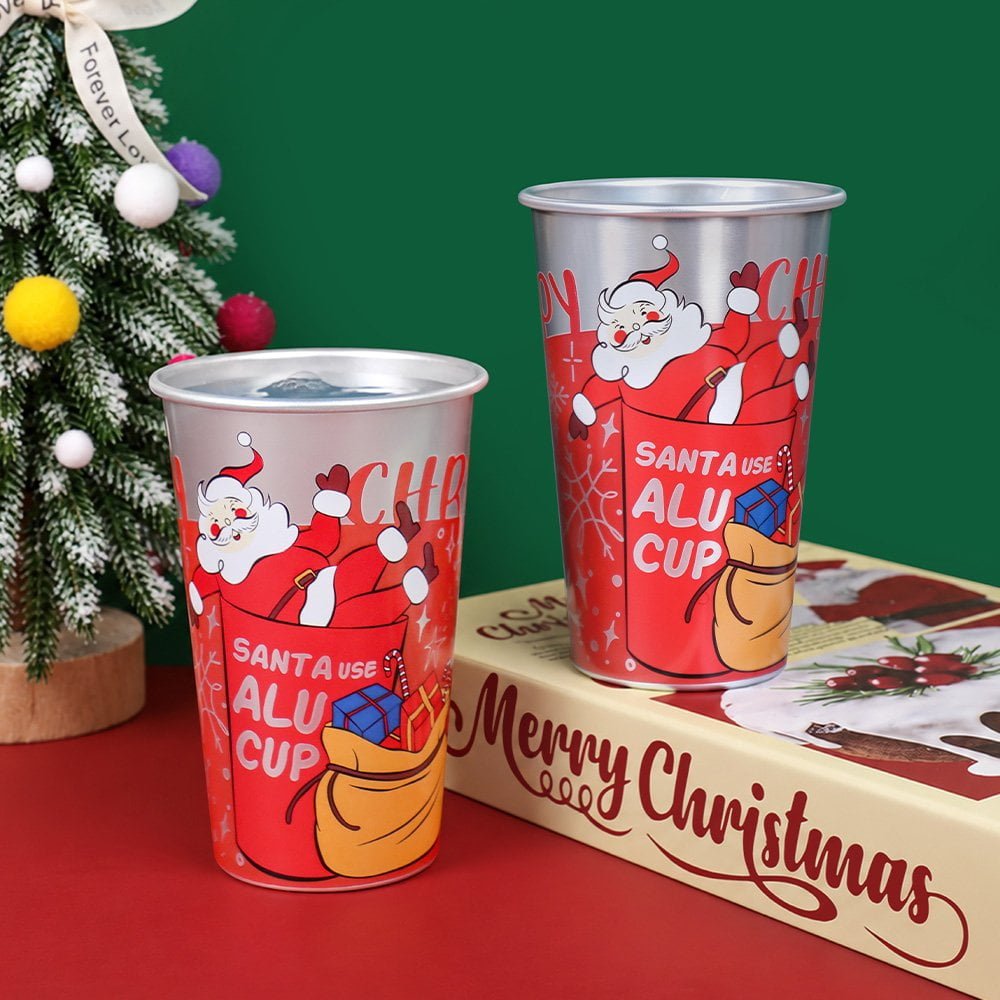
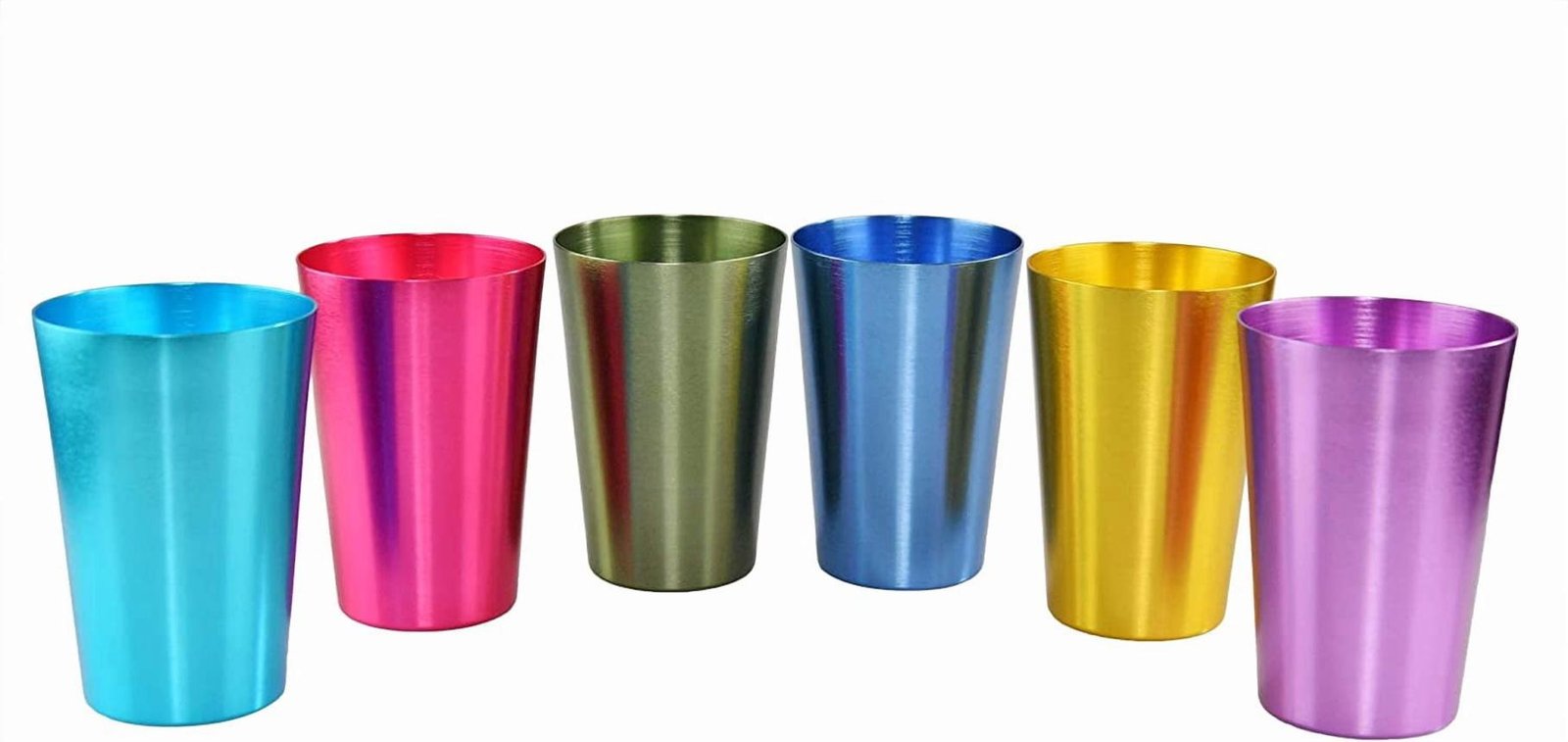
Aluminum cups can be developed in different anodized colors, including red, green, blue, purple, gold, and silver.
The combination of metallic texture and vivid colors gives aluminum cups a distinctive appearance, creating opportunities for brands to develop coordinated collections and customized drinkware.
How Ball Helped Bring Aluminum Cups into the Spotlight
The rise of aluminum cups is not only about material properties. Product design and brand marketing have also played an important role.
One notable example is Ball Corporation.
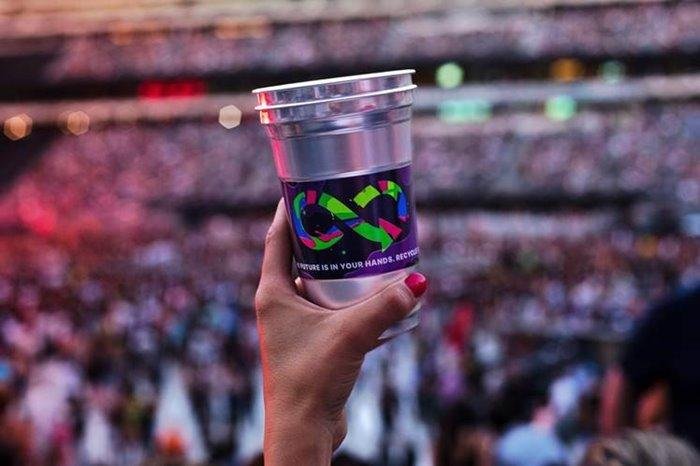
Ball introduced its aluminum cup in 20199, combining aluminum with a familiar party-cup shape that consumers already recognized from traditional plastic drinking cups.
Instead of introducing a completely unfamiliar product shape, the concept combined a recognizable drinking experience with a different material.
This is an interesting product strategy: sometimes innovation does not require inventing a completely new shape. It can come from changing the material and improving the experience of an existing product.
The product also gained visibility through sports and entertainment venues10, demonstrating the potential of aluminum drinkware in promotional and event markets.
A Change in China’s Drinkware Manufacturing Supply Chain
There is another interesting development we have noticed through our conversations with manufacturers.
Many Chinese factories entering the aluminum cup business did not originally specialize in drinkware.
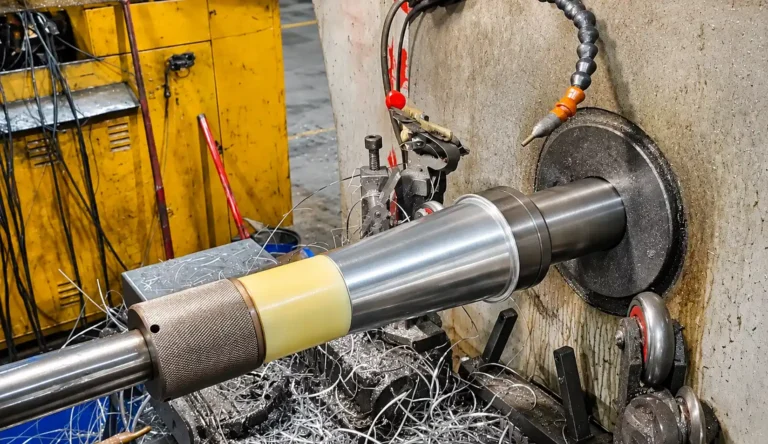
Some previously manufactured traditional metal products, such as bird cages, bird feeders, lampshades, and other metal household products.
As aluminum cups gained attention, some of these manufacturers began exploring opportunities in aluminum drinkware production.
This is an interesting example of how an emerging product category can encourage traditional metalworking manufacturers to transfer their production capabilities into a new market.
When Aluminum Meets Color-Changing Technology
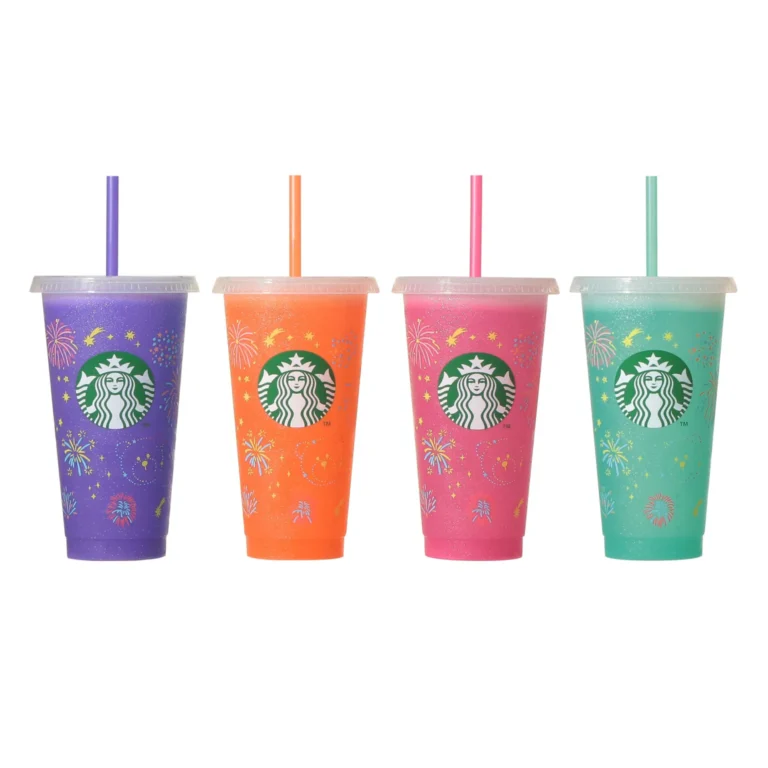
Aluminum's excellent thermal conductivity creates another interesting opportunity: combining metal drinkware with color-changing technology.
At Mugbaby, this is one of the applications we find particularly exciting.
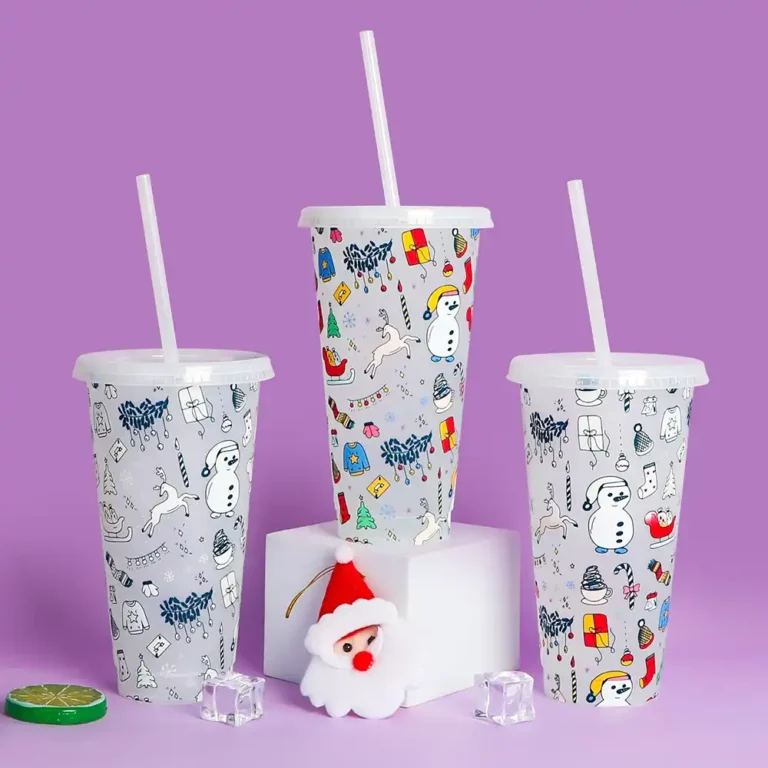
Thermochromic technology allows a cup to change color in response to temperature.11 When combined with aluminum's rapid heat transfer, the material can help the color-changing surface respond quickly to temperature changes.
Imagine pouring an iced beverage into a colorful aluminum cup. As the cup responds to the cold temperature, its appearance changes, creating a visual surprise.
The product is no longer just a container for a beverage. It becomes part of the experience.
Why Is This Combination Attractive to Brands?
| Application | Potential Value |
|---|---|
| Sports Events | Interactive merchandise and event souvenirs |
| Summer Promotions | Eye-catching cold-drink experiences |
| Beverage Brands | Distinctive promotional products |
| Music Festivals | Memorable branded merchandise |
| Seasonal Campaigns | Creative and interactive collections |
Actual color-changing performance depends on pigment activation temperature, ink formulation, printing thickness, cup structure, and beverage temperature.
This is where material knowledge and printing expertise become especially important.
Are Aluminum Cups Perfect? Understanding Their Limitations
Aluminum cups have many advantages, but they are not suitable for every product or market.
As a manufacturer, we believe buyers should understand their limitations before choosing aluminum.
Higher Material Costs Than Plastic
One obvious disadvantage is cost.
Based on our sourcing experience, aluminum raw material can cost more than RMB 20,000 per metric ton, depending on market conditions.
This is significantly more expensive than ordinary commodity plastics.
The final cost of an aluminum cup also depends on material thickness, forming processes, surface treatment, printing, and packaging.
Anodized Finishes Can Still Experience Wear
Although anodizing creates an integrated oxide layer rather than a conventional paint film, it does not mean the surface is indestructible.
Over extended use, abrasion, scratching, and unsuitable chemical exposure may affect the appearance of anodized surfaces.
The durability depends on oxide layer thickness, sealing quality, surface preparation, cleaning methods, and actual usage conditions.
Lightweight Construction May Not Suit Every Gift Market
Aluminum's lightweight nature is an advantage in many applications, but it can also be a limitation.
Some premium corporate gifts and formal commemorative products are expected to feel substantial and solid in the hand.
A thin-wall aluminum cup may not deliver the substantial feeling that some gift buyers prefer.
In these situations, thicker stainless steel or ceramic drinkware may be more suitable.
Is Aluminum the Right Material for Your Next Drinkware Project?
Aluminum is particularly worth considering when a brand wants lightweight drinkware, distinctive metallic colors, cold-drink applications, or interactive promotional products.
However, it may not be the best choice for every project.
| Project Priority | Material Worth Considering |
|---|---|
| Lightweight and colorful metal drinkware | Aluminum |
| Low-cost promotional products | Plastic |
| Premium insulated drinkware | Stainless Steel |
| Traditional coffee and tea mugs | Ceramic |
| Interactive cold-change drinkware | Aluminum or other suitable metals |
For B2B buyers, the best approach is to start with the product's intended use and target market, then evaluate the material, structure, surface treatment, and decoration process together.
At Mugbaby, we work with different drinkware materials, including plastic, glass, stainless steel, aluminum, and ceramic.
We also develop customized color-changing drinkware, combining material selection with specialized printing and decoration technologies.
Whether you are developing a promotional cup, a seasonal collection, or a distinctive branded product, choosing the right material is the first step toward a successful product.
If you are considering aluminum cups for your next project and would like to understand their possibilities and limitations, contact Mugbaby. Our team can help you evaluate suitable materials, finishes, and customization options.
Frequently Asked Questions
Are aluminum cups environmentally friendly?
Aluminum is highly recyclable, and producing recycled aluminum requires significantly less energy than producing primary aluminum12. However, the environmental impact of a finished cup also depends on recycled content, manufacturing, transportation, actual reuse, and end-of-life collection.
Can aluminum cups be used for hot and cold drinks?
Aluminum can be used for both hot and cold beverages, subject to the cup's design, surface treatment, and food-contact suitability. Its high thermal conductivity means the cup wall responds quickly to beverage temperature.
What is the difference between anodized aluminum cups and spray-painted aluminum cups?
Anodizing creates an oxide layer on the aluminum surface that can be dyed and sealed. Spray coating applies a separate coating over the surface. They have different appearances, processing requirements, and durability characteristics.
Can aluminum cups be customized with color-changing effects?
Yes. Aluminum cups can be developed with thermochromic decoration. Aluminum's high thermal conductivity makes it an interesting material for temperature-responsive drinkware. Actual performance depends on the thermochromic system, ink formulation, printing process, and product structure.
Are aluminum cups suitable for premium corporate gifts?
It depends on the intended product positioning. Aluminum is lightweight and offers distinctive metallic finishes, but thin-wall designs may not provide the substantial feel expected in some premium gift markets.
Conclusion: Aluminum Is More Than an Alternative Material
The growing interest in aluminum cups reflects more than a simple change in material preference.
It brings together several important trends: recyclable materials, lightweight product design, colorful finishes, interactive experiences, and new branding opportunities.
At the same time, aluminum has its own limitations in cost, surface durability, and product positioning.
For brands and drinkware buyers, the key is not to choose aluminum simply because it is popular. It is to understand where aluminum performs best and how its properties can create a better product.
The right material does not just make a cup. It helps define the product's identity, experience, and market value.
If you are exploring custom aluminum drinkware, Mugbaby is ready to help you turn your ideas into practical products.
"Aluminium recycling", https://en.wikipedia.org/wiki/Aluminium_recycling. The International Aluminium Institute describes aluminum as a material that can be recycled repeatedly while retaining its basic properties, provided that recycling streams are properly collected and processed. Evidence role: general_support; source type: institution. Supports: Aluminum is highly recyclable and can be remelted and reused repeatedly with limited degradation when properly sorted and processed.. Scope note: This supports the general recyclability of aluminum, but it does not prove the environmental performance of any specific aluminum cup. ↩
"Sustainable Materials Management: The Road Ahead", https://www.epa.gov/sites/default/files/2015-08/documents/sustainable_materials_management_the_road_ahead.pdf. Life-cycle assessment guidance from environmental agencies treats recycled content, production energy, product use, and end-of-life collection as key determinants of a product's environmental impact. Evidence role: mechanism; source type: government. Supports: Life-cycle environmental impacts depend on material sourcing, production energy, use phase, reuse, and end-of-life management.. Scope note: The source would provide a general assessment framework rather than a direct life-cycle assessment of the cups described in the article. ↩
"Drink can", https://en.wikipedia.org/wiki/Drink_can. Industry and reference sources identify aluminum cans as a widely used packaging format for carbonated soft drinks, beer, and other ready-to-drink beverages. Evidence role: general_support; source type: institution. Supports: Aluminum cans are a common form of packaging for carbonated soft drinks, beer, and other beverages.. Scope note: This supports the prevalence of aluminum beverage packaging, not a measured consumer response to aluminum cups. ↩
"Food Packaging & Other Substances that Come in Contact ...", https://www.fda.gov/food/food-ingredients-packaging/food-packaging-other-substances-come-contact-food-information-consumers. Food-contact material regulations and guidance evaluate articles by their composition, surface condition, and migration or compliance testing before they are considered suitable for contact with food or beverages. Evidence role: general_support; source type: government. Supports: Food-contact suitability depends on material composition, migration behavior, coatings or surface treatments, and compliance with applicable food-contact requirements.. Scope note: The source would establish the regulatory principle and would not certify any particular aluminum cup. ↩
"Aluminium", https://en.wikipedia.org/wiki/Aluminium. Reference materials list aluminum as having a low density of about 2.7 g/cm³ and high thermal conductivity relative to stainless steel, ceramics, and many polymers. Evidence role: definition; source type: encyclopedia. Supports: Aluminum has relatively low density and high thermal conductivity among common engineering materials.. Scope note: The data support the material-property comparison generally, not the performance of every cup design. ↩
"How To Reduce Food Packaging Transportation Costs And Space ...", https://www.dashanpacking.com/how-to-reduce-food-packaging-transportation-costs-and-space-wastage-optimizing-design-and-materials/. Packaging and logistics literature explains that stackable or nestable designs improve space utilization by reducing unused volume during storage and transport. Evidence role: mechanism; source type: education. Supports: Nestable or stackable product designs can improve cube utilization and reduce required storage or transport volume.. Scope note: This provides a general logistics mechanism and does not quantify savings for a specific aluminum cup model. ↩
"Thermal Conductivity", http://hyperphysics.phy-astr.gsu.edu/hbase/Tables/thrcn.html. Heat-transfer references define thermal conductivity as a measure of a material's ability to conduct heat; materials with high conductivity, such as aluminum, are therefore poor insulators unless combined with insulating structures. Evidence role: mechanism; source type: education. Supports: High thermal conductivity indicates efficient heat transfer, while insulation depends on resisting heat flow.. Scope note: This supports the physical principle, not the measured temperature retention of any particular cup. ↩
"Aluminium oxide", https://en.wikipedia.org/wiki/Aluminium_oxide. Materials-engineering sources describe aluminum anodizing as an electrochemical process that grows a porous aluminum oxide layer from the substrate, which can then be dyed and sealed. Evidence role: mechanism; source type: education. Supports: Anodizing is an electrochemical process that thickens the aluminum oxide layer on the metal surface and can accept dyes before sealing.. Scope note: This supports the process mechanism but not the quality or durability of any particular anodized finish. ↩
"Ball Debuts First-Ever Aluminum Cup as Consumer ...", https://www.ball.com/newswire/article/123976/ball-debuts-first-ever-aluminum-cup-as-consumer-demand-for-sustainable-packaging-grows. Ball Corporation's 2019 product materials identify the Ball Aluminum Cup as a newly introduced aluminum drinking cup positioned as an alternative to disposable plastic cups. Evidence role: historical_context; source type: institution. Supports: Ball Corporation publicly announced or launched its aluminum cup product in 2019.. Scope note: Because this is a company source, it is appropriate for verifying the launch date and product description but not for independent evaluation of market impact. ↩
"Ball Corporation and Sodexo Live! Expand Partnership to ...", https://investors.ball.com/news-presentations/press-releases/detail/81/ball-corporation-and-sodexo-live-expand-partnership-to-bring-infinitely-recyclable-aluminum-cups-to-additional-sports-entertainment-venues-and-events. Public materials on the Ball Aluminum Cup describe its deployment or promotion in sports and entertainment settings, supporting the article's use of Ball as a case example for event-market visibility. Evidence role: case_reference; source type: institution. Supports: Ball Aluminum Cup was promoted or used in sports, entertainment, or event venues.. Scope note: Such sources document visibility in selected venues and should not be read as evidence of industry-wide adoption. ↩
"Recent Advances in Reversible Thermochromic Materials for ...", https://pmc.ncbi.nlm.nih.gov/articles/PMC12942208/. Reviews of thermochromic materials describe pigments and coatings that change optical appearance in response to temperature, providing the scientific basis for temperature-responsive drinkware decoration. Evidence role: mechanism; source type: paper. Supports: Thermochromic materials undergo reversible or irreversible color changes in response to temperature changes, depending on their chemistry.. Scope note: The source supports the underlying thermochromic mechanism but not the performance of a specific printed aluminum cup. ↩
"Recycling is the primary energy efficiency technology for ...", https://www.eia.gov/todayinenergy/detail.php?id=16211. Authoritative aluminum and energy sources commonly report that recycling aluminum saves roughly 90–95% of the energy required for primary aluminum production from bauxite. Evidence role: statistic; source type: institution. Supports: Secondary aluminum production requires substantially less energy than primary aluminum production from ore.. Scope note: The statistic concerns aluminum production energy and does not by itself determine the full life-cycle impact of a finished cup. ↩