
BPA-Free drinkware often looks like a simple purchasing requirement, but the label can hide important sourcing questions. Buyers may assume one claim solves every safety concern, then face issues with lids, seals, coatings, or market documents. I prefer to treat BPA-Free as the start of material evaluation, not the finish line.
BPA-Free drinkware means the product is made without intentionally using Bisphenol A in relevant food-contact materials, but buyers still need to confirm the material, drink temperature, use case, full component structure, target market, and supporting compliance documents before ordering. The safest sourcing decision comes from matching the product system to the application.
Many buyers ask me, “Is this cup BPA-Free?” I understand why. It is a fast question. However, after 36 years of manufacturing customized drinkware, I have learned that the better question is more practical: Is this complete drinkware product suitable for how and where it will be used?
What does BPA-Free drinkware really mean for buyers?
Buyers often want a quick yes-or-no answer because product safety affects brand risk, customs clearance, and customer trust. The problem is that a short label can create a false sense of certainty. A better approach is to connect the BPA-Free claim with material identity, product structure, and intended use.
BPA-Free drinkware generally means the supplier states that BPA is not intentionally used in the food-contact parts of the product.1 However, buyers should not treat this as a complete safety guarantee.2 They should verify the material, request relevant documents, and confirm that every food-contact component matches the intended application and destination market.
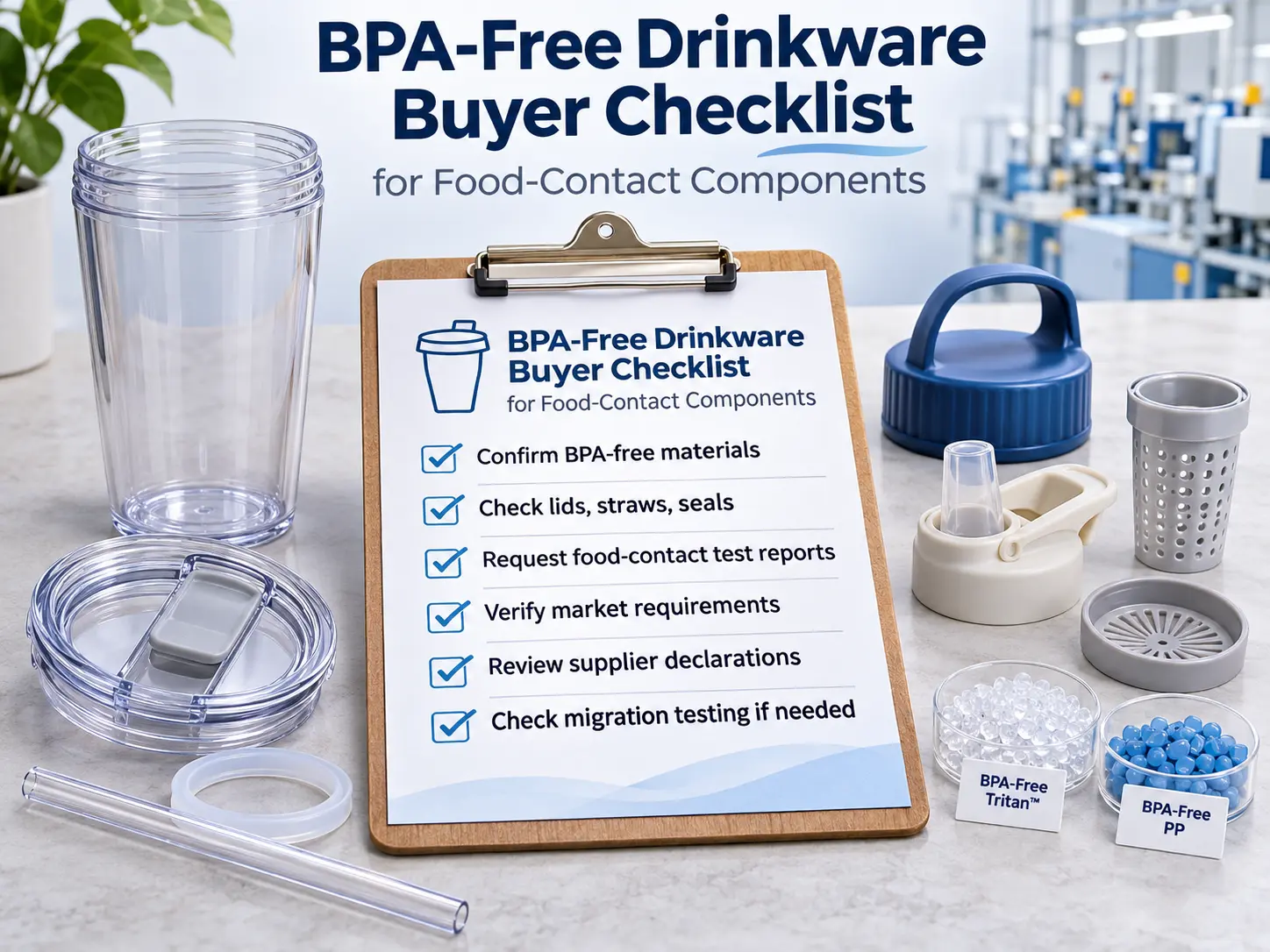
BPA-Free is a starting point, not a complete specification
In bulk drinkware sourcing, I see buyers use “BPA-Free” in three different ways:
- As a marketing requirement for retail packaging or online listings.
- As a safety expectation for products that contact beverages.
- As a procurement shortcut when buyers have not yet defined the exact material.
These uses are understandable, but they are not the same. A promotional cold cup, a children’s straw bottle, a stainless steel tumbler with a plastic lid, and a ceramic mug with a coating may all raise different questions.
A buyer should ask, “Which parts are BPA-Free?” rather than only asking, “Is the cup BPA-Free?” This matters because drinkware is usually a system of parts.
Common food-contact components include:
- Cup body
- Lid
- Straw
- Stopper
- Silicone seal
- Inner liner
- Coating
- Printed area near the rim
- Spout or mouthpiece
- Handle insert or accessory part
When my team receives a new project inquiry, we usually ask follow-up questions before we confirm the best option. We ask about the beverage type, target price, market, packaging style, and expected test requirements. This is not meant to slow the buyer down. It helps prevent a wrong material choice early in the project.
Why “BPA-Free” does not mean “suitable for everything”
A material can be BPA-Free and still be unsuitable for a certain use. For example, some plastics are better for cold drinks than hot beverages. Some materials work well for short-term promotional use but may not be ideal for premium reusable retail products. Some decoration methods may need extra review when printing is close to a food-contact area.
Here is a simple sourcing view:
| Buyer question | Why it matters | What to confirm |
|---|---|---|
| Is the product for hot or cold drinks? | Temperature affects material selection3 | Heat resistance and intended-use limits |
| Is it for adults or children? | Children’s products may face stricter expectations4 | Age grade and market-specific requirements |
| Is it retail or promotional? | Claims and documentation needs may differ | Packaging claims, test reports, declarations |
| Which parts touch beverages? | Risk may not be limited to the cup body | Lids, straws, seals, liners, coatings |
| Which market will receive the goods? | Compliance expectations differ by jurisdiction | Buyer should verify relevant legal requirements |
I often tell buyers that a material decision made before the use case is defined is only a guess.
For European and American importers, the practical goal is not only to source BPA-Free drinkware. The goal is to choose a material and structure that can be supported by appropriate documentation for the destination market.
How should buyers choose BPA-Free drinkware materials?
Material choice can feel confusing because many suppliers can offer similar-looking cups in different plastics, metals, glass, or ceramic. The risk is that buyers may choose by price or appearance first. Then they discover that the selected material does not fit the drink temperature, branding method, or compliance expectation.
Buyers should choose BPA-Free drinkware materials by starting with the application. They should define drink temperature, reuse level, user group, durability needs, decoration method, and target market before confirming plastic, glass, ceramic, aluminum, stainless steel, or mixed-material construction.
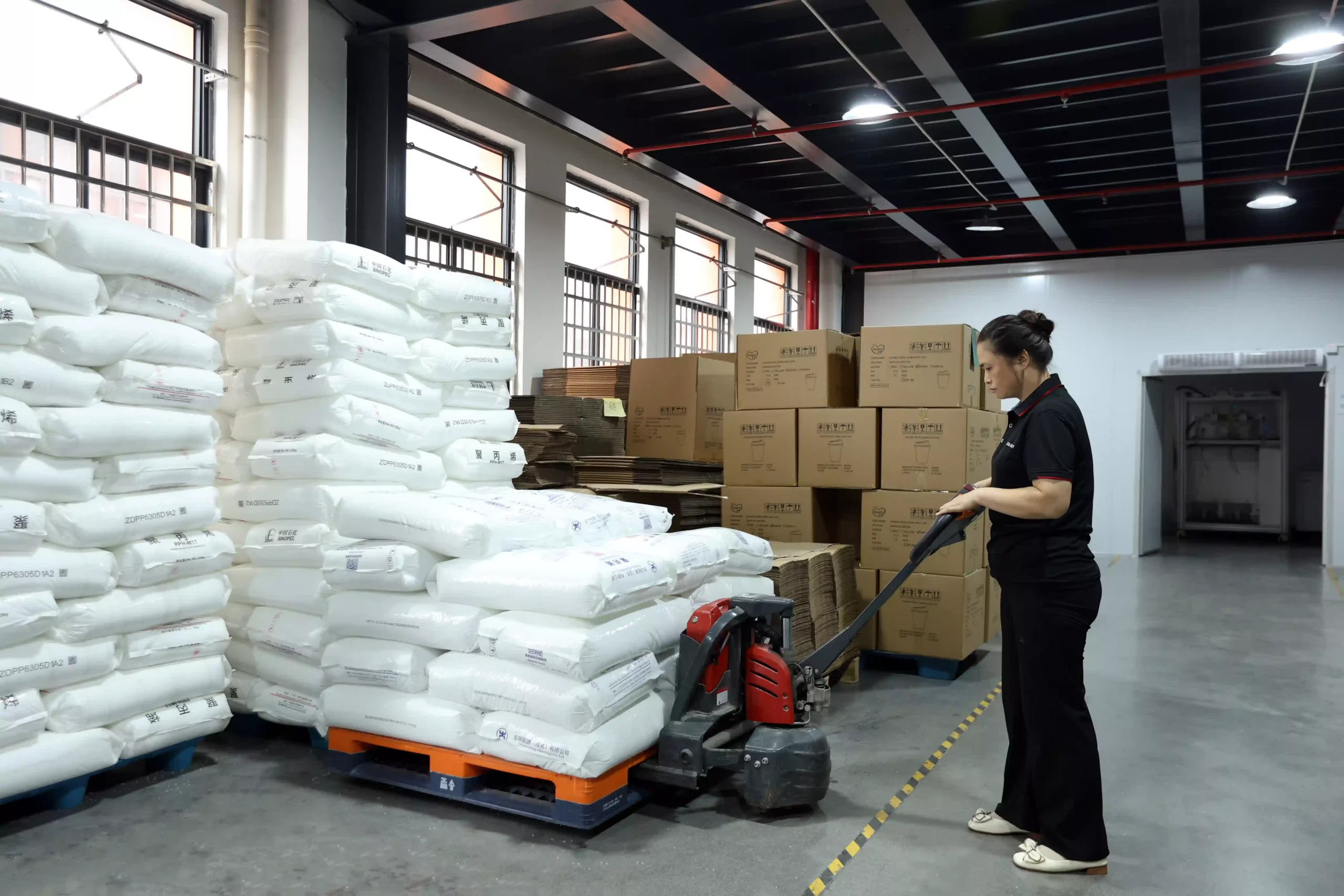
Common material routes in custom drinkware
In OEM/ODM drinkware projects, I usually see buyers consider these material families:
| Material type | Common use | Buyer notes |
|---|---|---|
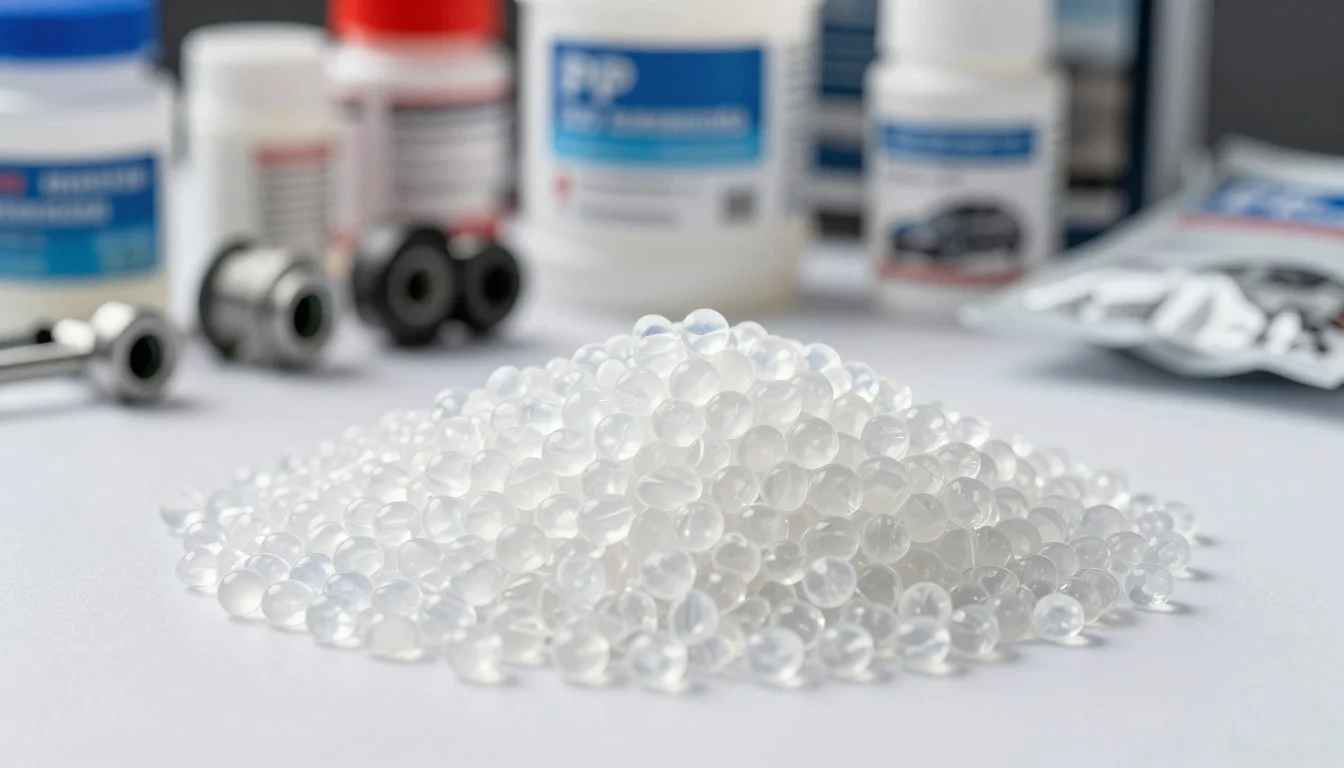
| PP plastic | Cold cups, lids, reusable containers | Often cost-effective and lightweight |
| Tritan-style copolyester | Clear bottles and premium plastic drinkware | Often selected when buyers want glass-like clarity |
| AS or acrylic | Promotional cups and display-friendly products | Use case and market requirements should be checked |
| Stainless steel | Tumblers, bottles, vacuum flasks | Plastic lids and seals still need review |
| Aluminum | Sports bottles and promotional bottles | Inner coating or liner may need confirmation5 |
| Glass | Bottles, mugs, premium drinkware | Lids, sleeves, and decoration still matter |
| Ceramic | Mugs and retail drinkware | Glaze, decals, and coatings should be evaluated6 |
I avoid saying one material is always best. A reusable sports bottle for cold water has different requirements from a double-wall coffee tumbler. A children’s straw cup has different expectations from an adult corporate gift. A retail brand also has different documentation needs compared with a one-time event buyer.
Hot drinks versus cold drinks
Temperature is one of the first questions I ask. Hot beverages can place more stress on materials, lids, seals, and coatings. Cold drinkware may have more freedom in material choice, but buyers still need to confirm suitability for food contact and real use.
For example:
- A cold promotional tumbler may prioritize cost, color, and logo visibility.
- A hot coffee tumbler may prioritize insulation, lid performance, odor control, and heat resistance.
- A children’s bottle may prioritize drop resistance, spout design, and documentation.
- A retail bottle may prioritize packaging claims and repeat-use expectations.
Reusable products versus promotional items
Buyers sometimes ask for a low-cost product and a premium product in the same conversation. That is normal. However, the sourcing logic is different.
A promotional cup may be used for a short campaign. It may still need to be food-contact suitable, but the buyer may place more weight on price and delivery time. A retail reusable bottle carries more brand exposure. Consumers may use it daily. In that case, buyers usually need better durability, more stable supply, and stronger documentation.
A practical material selection process can look like this:
- Define the beverage: water, juice, coffee, tea, alcohol, or carbonated drink.
- Define the temperature: cold, room temperature, warm, or hot.
- Define the user: adults, children, athletes, office workers, gift recipients.
- Define the sales channel: retail shelf, e-commerce, corporate gifting, promotion.
- Define the market: United States, European Union, United Kingdom, Japan, Korea, or others.
- Define the claims: BPA-Free, dishwasher safe, microwave safe, recycled content, or other claims.
- Confirm documents: material declarations, test reports, and compliance documents where applicable.
This process reduces avoidable risk. It also helps the supplier recommend a realistic structure before tooling, sampling, or mass production begins.
In my experience, strong buyers do not only ask for a cheaper option. They ask, “What is the right option for this market and use case?” That question usually leads to a better product.
Why should BPA-Free drinkware be evaluated as a complete product system?
Many buyers focus on the cup body because it is the largest and most visible part. The issue is that consumers drink through lids, straws, spouts, and seals. If those parts are not reviewed, the product may still create compliance or quality problems even when the main body material looks acceptable.
BPA-Free drinkware should be evaluated as a complete product system because every food-contact component can affect suitability.7 Buyers should review the body, lid, straw, gasket, liner, coating, printing location, and accessories before confirming specifications or approving pre-production samples.
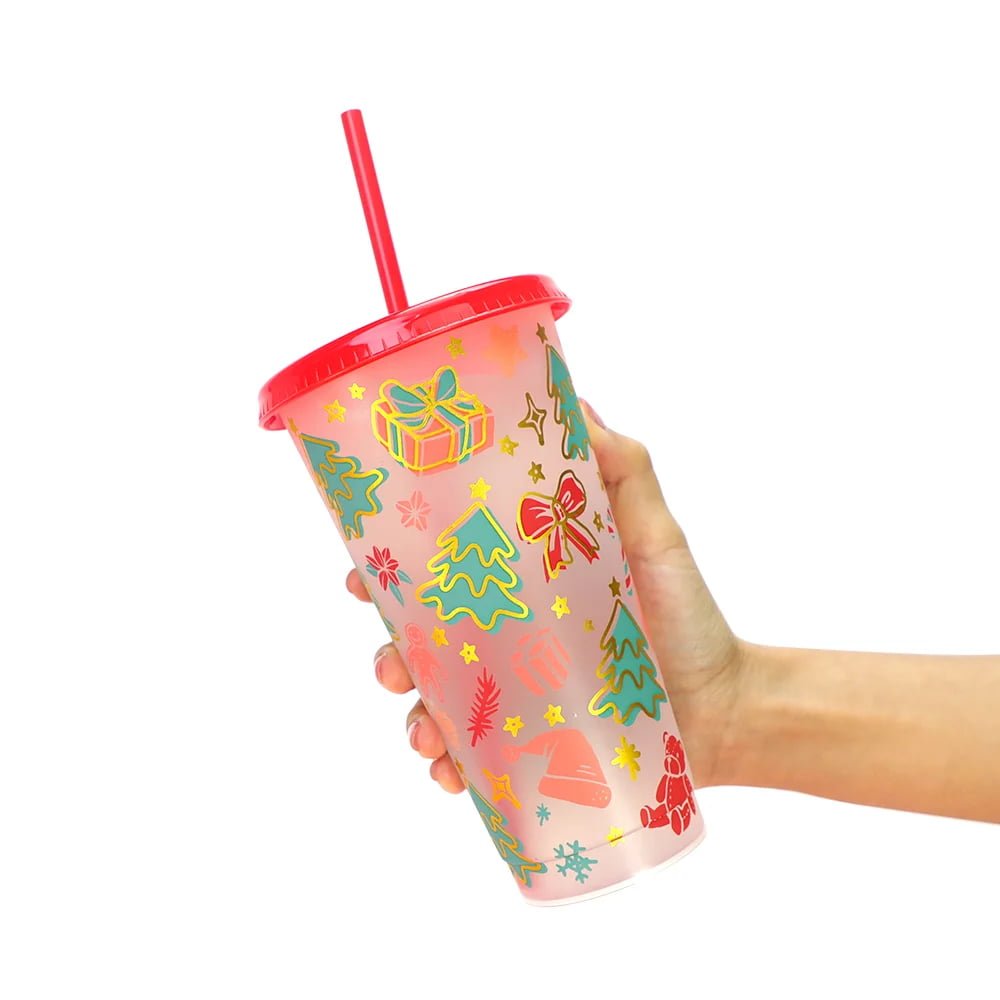
The cup body is only one part of the decision
A stainless steel tumbler may sound simple. However, the lid may be plastic, the seal may be silicone, and the slider may be a separate component. A glass bottle may use a plastic cap and a silicone ring. A ceramic mug may have a glaze, decal, or color coating. A plastic bottle may include a straw, hinge, mouthpiece, and carrying loop.
Each part needs attention because it may contact the beverage or the user’s mouth.
Here is a component-level review table:
| Component | Common concern | Buyer action |
|---|---|---|
| Cup body | Main material and temperature suitability | Confirm material grade and intended use |
| Lid | Food contact, heat, leakage, odor | Request material information and test scope |
| Straw | Mouth contact and cleaning | Confirm material and age suitability |
| Silicone seal | Odor, fit, food-contact suitability | Confirm silicone type and replacement plan |
| Coating or liner | Contact with beverage or abrasion | Confirm application and test documents |
| Printing | Ink location and durability | Avoid unsafe placement near rim unless verified8 |
| Spout or mouthpiece | Direct oral contact | Review material and user age group |
Decoration can affect the evaluation
Custom drinkware is rarely plain. Buyers usually want logos, colors, gradients, special finishes, or retail packaging. Decoration methods can include:
- Screen printing
- Heat transfer printing
- Sublimation
- Water transfer printing
- Spray coating
- Powder coating
- Laser engraving
- Decals
- Color-changing pigments or coatings
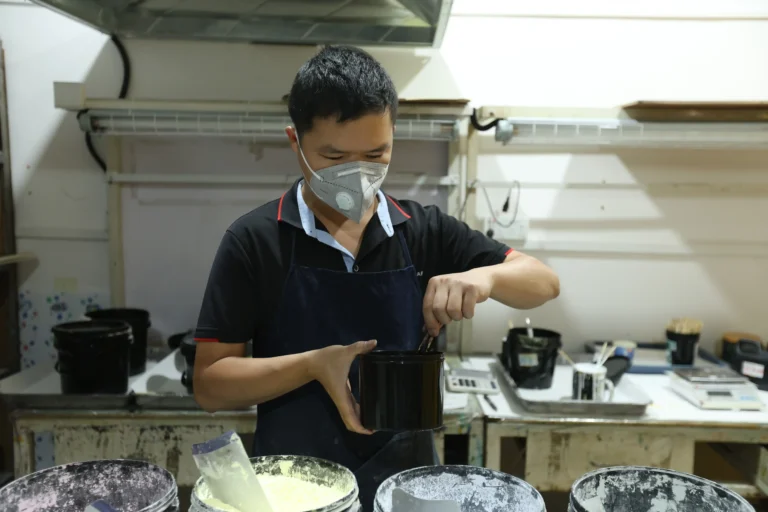
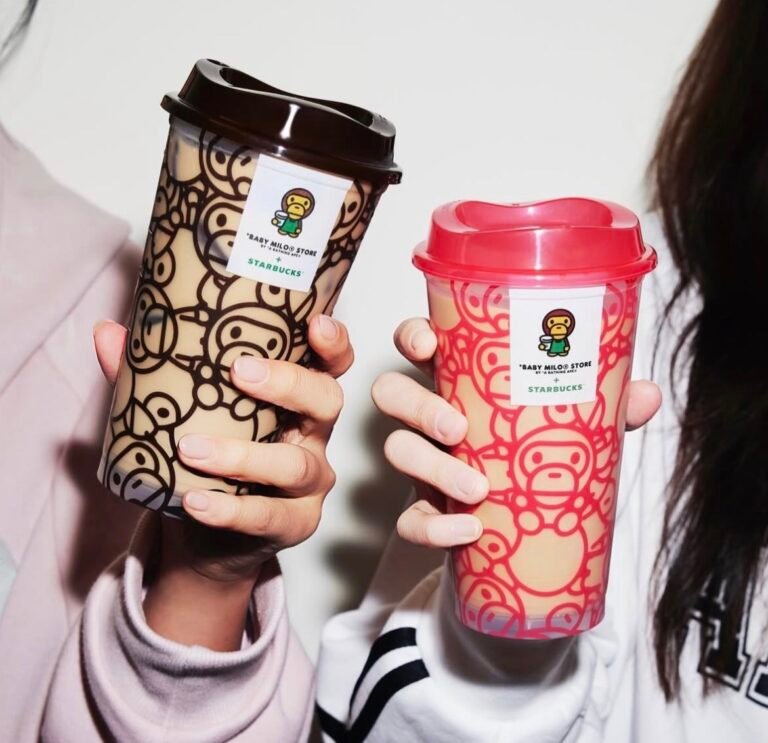
As a manufacturer of color-changing drinkware, I pay close attention to where the decoration sits and how the product will be used. A color-changing effect can be a strong selling point, but it still needs to fit the product structure and intended market. If printing is far from food-contact areas, the review may be different from a design that reaches the rim or inside surface.
Pre-production confirmation protects both sides
I like to confirm material and component details before production starts. A good pre-production confirmation may include:
- Bill of materials for the full drinkware product.
- Material declaration for each relevant food-contact component.
- Approved sample with final structure and decoration.
- Artwork placement confirmation to avoid risky contact areas.
- Packaging claim review for wording such as “BPA-Free.”
- Testing plan based on destination market and buyer requirements.
- Production control sample for factory reference during mass production.
This step is important because small changes can matter. A lid material substitution, a different seal supplier, or a new coating can change the documentation package.9 If the buyer only approves the appearance, the sourcing team may miss hidden technical details.
I recommend that buyers treat the product like a system. This approach is more professional than asking only for a BPA-Free statement. It also gives the supplier a clearer basis for quality control.
Which documents should support BPA-Free drinkware sourcing?
Buyers may feel safe when they see a supplier write “BPA-Free” on a quotation. The problem is that a quotation is not the same as evidence. Importers, brand owners, and trading companies often need documents that match the product, material, test scope, and destination market.
BPA-Free drinkware sourcing should be supported by appropriate material declarations, food-contact test reports, product specifications, and component-level documentation.10 Buyers should verify jurisdiction-specific requirements with qualified compliance professionals, especially for the EU, US, UK, Japan, Korea, or children’s products.
Useful documents for procurement review
Documents do not make a poor product good. However, they help buyers check whether the selected product has been evaluated in a way that fits the intended market.
Common document types include:
| Document | What it helps buyers check | Buyer caution |
|---|---|---|
| Material declaration | Supplier’s stated material composition | It should match the actual product components |
| Food-contact test report | Test results for relevant materials or products | Scope, date, lab, and model must be checked |
| BPA-Free statement | Supplier claim about BPA use | It is not a full safety certificate |
| Declaration of conformity | Market-specific compliance support | Requirements differ by jurisdiction |
| Product specification sheet | Dimensions, materials, use limits | It should match approved sample |
| Bill of materials | Component-level visibility | It should include lids, seals, and accessories |
| Factory audit or quality documents | Supplier capability review | It does not replace product testing |
Buyers should be careful with generic documents. A test report for one cup does not automatically cover every product made by the same factory.11 A report for a plastic body may not cover a new lid. A previous customer’s test may not match the buyer’s market or product structure.
How buyers should use test reports
A buyer does not need to become a laboratory expert. Still, the buyer should check the basics:
- Product name and model: Does the report match the item being ordered?
- Material description: Does it match the body, lid, straw, or coating?
- Test date: Is the report recent enough for the buyer’s policy?
- Testing laboratory: Is the lab acceptable to the buyer or importer?
- Test standard: Does it relate to the destination market?
- Result pages: Are the conclusions clear and complete?
- Photos or sample description: Do they match the approved product?
For European and American buyers, regulatory expectations can be detailed and market-specific. I prefer to say this clearly: buyers should verify specific legal requirements before relying on any compliance claim. A supplier can provide documents and manufacturing support, but qualified compliance review may still be needed for application-specific decisions.
Supplier capability matters as much as paperwork
A supplier that understands BPA-Free drinkware sourcing will usually ask questions before giving a final answer. This is a good sign. It means the supplier is thinking about risk, not only order value.
I suggest buyers assess suppliers by asking:
- Can the supplier identify all food-contact components?
- Can the supplier explain material choices in simple terms?
- Can the supplier provide documents that match the actual product?
- Can the supplier control material consistency during production?
- Can the supplier support pre-production samples and approval records?
- Can the supplier avoid unsupported claims on packaging?
- Can the supplier communicate clearly when a test or claim needs verification?
After 36 years in drinkware manufacturing, I have seen that documentation problems often come from unclear specifications. The buyer says “BPA-Free cup,” but the product includes multiple parts and decorations. The supplier quotes quickly, but nobody confirms the full component list. Later, the buyer asks for documents, and the available reports do not match the final item.
A better process prevents this. It starts with clear specifications and ends with documents that reflect the actual product shipped.
How can buyers reduce risk when ordering BPA-Free drinkware in bulk?
Bulk orders create pressure because mistakes become expensive at scale. A small material misunderstanding can affect thousands of units. A missing document can delay shipment or retail launch. Buyers need a structured approval process before mass production begins.
Buyers can reduce risk when ordering BPA-Free drinkware by defining the use case, confirming every food-contact component, approving pre-production samples, checking supporting documents, and setting quality control points before mass production. A clear specification reduces confusion between buyer, supplier, testing partner, and factory.
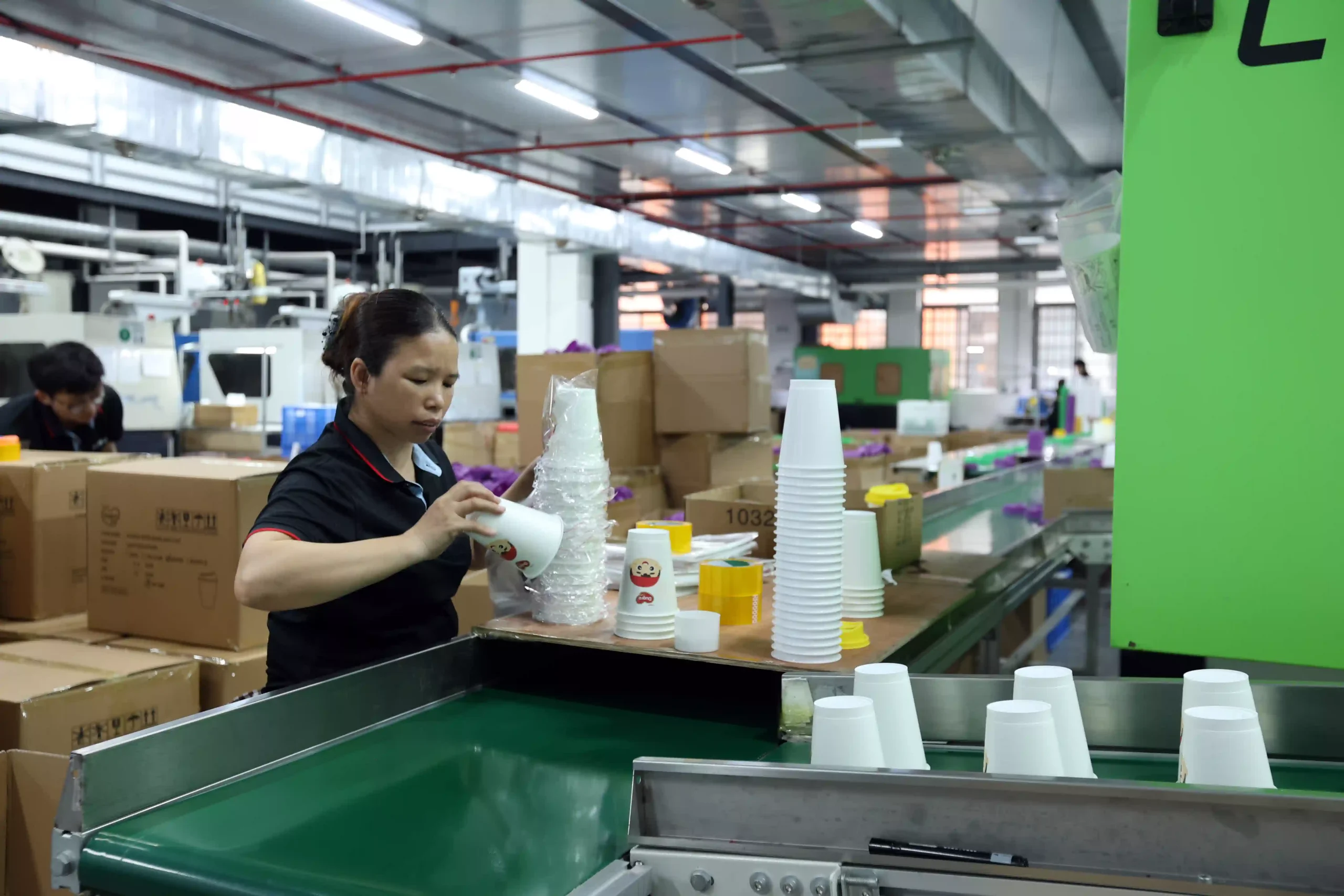
A practical sourcing checklist
I recommend that buyers use a checklist before issuing a purchase order. The checklist does not need to be complicated. It needs to be specific.
Before quotation:
- Define the product type.
- Define the expected material.
- Define hot or cold use.
- Define the target market.
- Define the user group.
- Define the logo or decoration method.
- Define the packaging claim requirements.
Before sampling:
- Confirm product drawings or reference samples.
- Confirm the body material.
- Confirm lid, straw, and seal materials.
- Confirm color and decoration.
- Confirm whether the product needs special tests.
- Confirm whether the product is for children or adults.
Before production:
- Approve final sample.
- Approve artwork placement.
- Review material declarations.
- Review available test reports.
- Confirm packaging wording.
- Confirm inspection criteria.
- Confirm shipment documents.
Quality control should match the product risk
Quality control for drinkware is not only about appearance. Buyers should also define functional checks. The exact inspection plan depends on the product, but common checks include:
| QC item | Why it matters |
|---|---|
| Material and color consistency | It protects brand appearance and specification control |
| Lid fit and leakage | It affects user experience and complaint rate |
| Odor check | It can signal material or storage issues |
| Printing adhesion | It protects logo durability |
| Coating surface | It affects appearance and possible contact areas |
| Capacity measurement | It prevents retail description errors |
| Packaging claim review | It reduces label and listing risk |
| Carton drop or transit check | It helps reduce shipping damage |
For color-changing drinkware, I also like to confirm the effect under the intended temperature condition. A buyer may expect a dramatic color change, but the real effect depends on pigment system, base color, wall thickness, and beverage temperature.12 This is not only a marketing issue. It can affect customer satisfaction and repeat orders.
Clear communication saves time
The best sourcing projects usually have clear written communication. I suggest buyers prepare a simple specification sheet. It should include:
- Product photo or drawing
- Size and capacity
- Material for each part
- Beverage temperature range
- Decoration method
- Logo position
- Target market
- Required documents
- Packaging wording
- Inspection standard
- Delivery schedule
This document becomes the common reference for the buyer, trading company, supplier, factory team, and quality inspector. It also helps avoid the common problem where the sales quotation, sample approval, and production instruction do not match.
I once handled a project where the buyer originally requested a BPA-Free plastic tumbler for a promotion. During discussion, we learned the product would be used for iced drinks at outdoor events, packed with a straw and a custom lid. The material discussion quickly expanded from the cup body to the lid fit, straw material, print durability, and carton strength. That conversation helped avoid later confusion.
Bulk sourcing rewards detail. The more clearly the buyer defines the application, the easier it is for an experienced supplier to recommend the right BPA-Free drinkware solution.
Frequently Asked Questions
Is BPA-Free drinkware always safe?
BPA-Free drinkware should not be treated as automatically safe for every use. The claim only addresses BPA in relevant materials. Buyers still need to confirm the material, temperature suitability, food-contact components, decoration, target market, and supporting documents before making a sourcing decision.
Which drinkware materials are commonly used for BPA-Free products?
Common options include PP plastic, copolyester materials, stainless steel, aluminum, glass, and ceramic. The best choice depends on the beverage temperature, use case, price target, decoration needs, and destination market. Buyers should also review lids, straws, seals, coatings, and liners.
Do stainless steel and glass drinkware still need BPA-Free review?
Yes. Stainless steel and glass bodies may not be the main BPA concern, but the full product can include plastic lids, silicone seals, coatings, liners, straws, or mouthpieces. Buyers should evaluate the complete product system instead of only reviewing the main body.
What documents should buyers request from a supplier?
Buyers can request material declarations, food-contact test reports, product specifications, bills of materials, BPA-Free statements, and relevant market documents where applicable. The documents should match the actual product, component structure, material, and target market. Jurisdiction-specific requirements should be verified professionally.
When should buyers confirm BPA-Free requirements?
Buyers should confirm BPA-Free requirements before sampling and definitely before mass production. Early confirmation helps the supplier choose proper materials, prepare component-level documentation, control production, and avoid unsupported packaging or marketing claims.
Conclusion
BPA-Free drinkware is a useful sourcing requirement, but it should never be the only question buyers ask. A responsible purchasing process reviews the material, drink temperature, user group, destination market, and every food-contact component, including lids, straws, seals, coatings, and liners. I recommend that buyers confirm specifications, samples, and documents before bulk production. If you are planning a custom drinkware project, contact us with your use case, target market, and component requirements so we can help you evaluate the right OEM/ODM solution.
"Bisphenol A (BPA): Use in Food Contact Application", https://www.fda.gov/food/food-packaging-other-substances-come-contact-food-information-consumers/bisphenol-bpa-use-food-contact-application. Regulatory summaries describe bisphenol A as a chemical used in some polycarbonate plastics and epoxy resins for food-contact applications, supporting the interpretation of a BPA-Free label as a material-specific claim about BPA use. Evidence role: definition; source type: government. Supports: The source should support that BPA is associated with certain food-contact plastics and resin coatings, making BPA-Free a claim about BPA use in specified materials.. Scope note: This support is contextual because the precise legal meaning of “BPA-Free” may vary by jurisdiction, product category, and claim wording. ↩
"Most Plastic Products Release Estrogenic Chemicals - PMC", https://pmc.ncbi.nlm.nih.gov/articles/PMC3222987/. Peer-reviewed studies on BPA substitutes and BPA-Free plastics report that removing BPA does not by itself establish the absence of other biologically active substances, supporting the need for broader material evaluation. Evidence role: general_support; source type: paper. Supports: The source should support that products marketed as BPA-Free may still require evaluation for other substances or material hazards.. Scope note: Such studies provide general toxicological context and do not prove that any specific drinkware product is unsafe. ↩
"Migration of substances from food contact plastic materials ...", https://pubmed.ncbi.nlm.nih.gov/34182045/. Research and regulatory migration-testing guidance identify temperature and contact time as key factors affecting chemical migration from food-contact materials, supporting temperature as a material-selection criterion. Evidence role: mechanism; source type: research. Supports: The source should support that temperature and contact time affect migration or performance considerations for food-contact materials.. Scope note: This evidence supports the mechanism generally and does not determine the suitability of a specific cup, lid, or coating without product-specific testing. ↩
"Children's Product Certificate", https://www.cpsc.gov/Business--Manufacturing/Testing-Certification/Childrens-Product-Certificate. Government child-product safety rules, including testing and certification requirements for certain children’s products, support the statement that products intended for children may carry stricter compliance expectations. Evidence role: historical_context; source type: government. Supports: The source should support that children’s products can be subject to additional restrictions, testing, or certification requirements.. Scope note: The specific requirements vary by product design, age grading, material, and jurisdiction. ↩
"Bisphenol A (BPA): Use in Food Contact Application", https://www.fda.gov/food/food-packaging-other-substances-come-contact-food-information-consumers/bisphenol-bpa-use-food-contact-application. Institutional assessments of BPA discuss its use in epoxy resin coatings for some food-contact metal applications, supporting review of internal liners or coatings when assessing metal drinkware. Evidence role: mechanism; source type: institution. Supports: The source should support that coatings or liners on metal food-contact articles can be relevant to chemical migration or BPA evaluation.. Scope note: Evidence from metal packaging and coatings is contextual; it does not establish that a particular aluminum bottle liner contains BPA or presents a migration concern. ↩
"Guidance on Imported Traditional Pottery Intended for Use ...", https://www.fda.gov/regulatory-information/search-fda-guidance-documents/guidance-industry-safety-imported-traditional-pottery-intended-use-food-and-use-term-lead-free. Government food-safety guidance identifies lead and cadmium release from certain ceramic glazes or decorations as a food-contact concern, supporting evaluation of glazes, decals, and coatings on ceramic drinkware. Evidence role: general_support; source type: government. Supports: The source should support that ceramic glazes or decorative elements can be relevant to food-contact safety assessment.. Scope note: This does not imply that all ceramic drinkware is hazardous; risk depends on formulation, firing, decoration placement, and test results. ↩
"Food Packaging & Other Substances that Come in Contact ...", https://www.fda.gov/food/food-ingredients-packaging/food-packaging-other-substances-come-contact-food-information-consumers. Food-contact material frameworks apply to materials and articles intended to come into contact with food, supporting assessment of lids, seals, straws, liners, coatings, and other components as part of the finished drinkware system. Evidence role: general_support; source type: institution. Supports: The source should support that food-contact rules apply to materials and articles intended to contact food, which includes components of finished drinkware.. Scope note: The source supports the compliance logic generally; exact obligations depend on the material type and destination market. ↩
"EuPIA Guideline on Printing Inks applied to Food Contact ...", https://www.eupia.org/wp-content/uploads/2026/05/48_2026-04-30_EuPIA-Guideline-on-Printing-Inks-applied-to-Food-Contact-Materials.pdf. Guidance on printed food-contact materials treats inks and printed layers as potential sources of migration or exposure, supporting verification when decoration is placed near the rim or other mouth-contact areas. Evidence role: mechanism; source type: institution. Supports: The source should support that printed or decorated surfaces can be relevant to food-contact or mouth-contact exposure and may require migration assessment.. Scope note: The guidance provides a general exposure rationale; suitability depends on ink chemistry, placement, curing, abrasion, and applicable legal tests. ↩
"Regulation - 10/2011 - EN - EUR-Lex", https://eur-lex.europa.eu/eli/reg/2011/10/oj/eng. Food-contact compliance guidance for regulated materials requires supporting documentation to reflect relevant composition and use conditions, supporting the need to review documentation when lids, seals, suppliers, or coatings are changed. Evidence role: general_support; source type: institution. Supports: The source should support that food-contact compliance documentation may need revision when materials, formulations, or production conditions change.. Scope note: Whether a specific substitution requires retesting depends on the material, change magnitude, prior data, and applicable market rules. ↩
"Food Packaging & Other Substances that Come in Contact ...", https://www.fda.gov/food/food-ingredients-packaging/food-packaging-other-substances-come-contact-food-information-consumers. EU food-contact material rules require declarations of compliance and supporting documentation for certain plastic materials and articles, supporting the use of product specifications, test reports, and component-level records in drinkware sourcing. Evidence role: general_support; source type: institution. Supports: The source should support that food-contact compliance is commonly documented through declarations, supporting documents, and product-specific information.. Scope note: The EU framework directly supports EU plastic food-contact documentation; other markets and non-plastic materials may use different documentation systems. ↩
"ISOIEC 17025 Crosswalk - REPORTING THE RESULTS", https://www.nist.gov/document/7-8-17025-crosswalk-reporting-results-20180201pdf. Laboratory reporting standards commonly state that test results relate to the specific items or samples tested, supporting the view that one cup’s report does not automatically cover other products from the same factory. Evidence role: general_support; source type: institution. Supports: The source should support that laboratory results are tied to the tested sample, item, or defined test scope.. Scope note: A report may cover a product family if the laboratory scope and sampling rationale explicitly support that conclusion. ↩
"Thermochromic Polymer Nanocomposites for the Heat ... - PMC", https://pmc.ncbi.nlm.nih.gov/articles/PMC11174980/. Materials-science literature on thermochromic pigments shows that color response depends on pigment formulation, surrounding matrix or substrate, optical background, and temperature exposure, supporting the stated variables for color-changing drinkware performance. Evidence role: mechanism; source type: paper. Supports: The source should support that thermochromic color response depends on pigment chemistry, substrate or matrix properties, optical background, and temperature conditions.. Scope note: This support explains the mechanism generally and does not predict the color-change performance of a specific drinkware design without product testing. ↩