
A color-changing cup can look like an easy promotional product, but buyers quickly find that different color-change technologies behave very differently in real use. If the effect disappoints consumers, the whole campaign suffers. The practical solution is to compare each technology by scene, durability, cost, and user experience before choosing.
Temperature-sensitive color changing is still the most common type of color-changing cup because it matches daily drinking behavior. People usually drink hot, room-temperature, or cold beverages, so the cup can change during a natural pouring moment. UV and glow-in-the-dark effects can be attractive, but their usage scenes are less predictable and harder for users to appreciate.
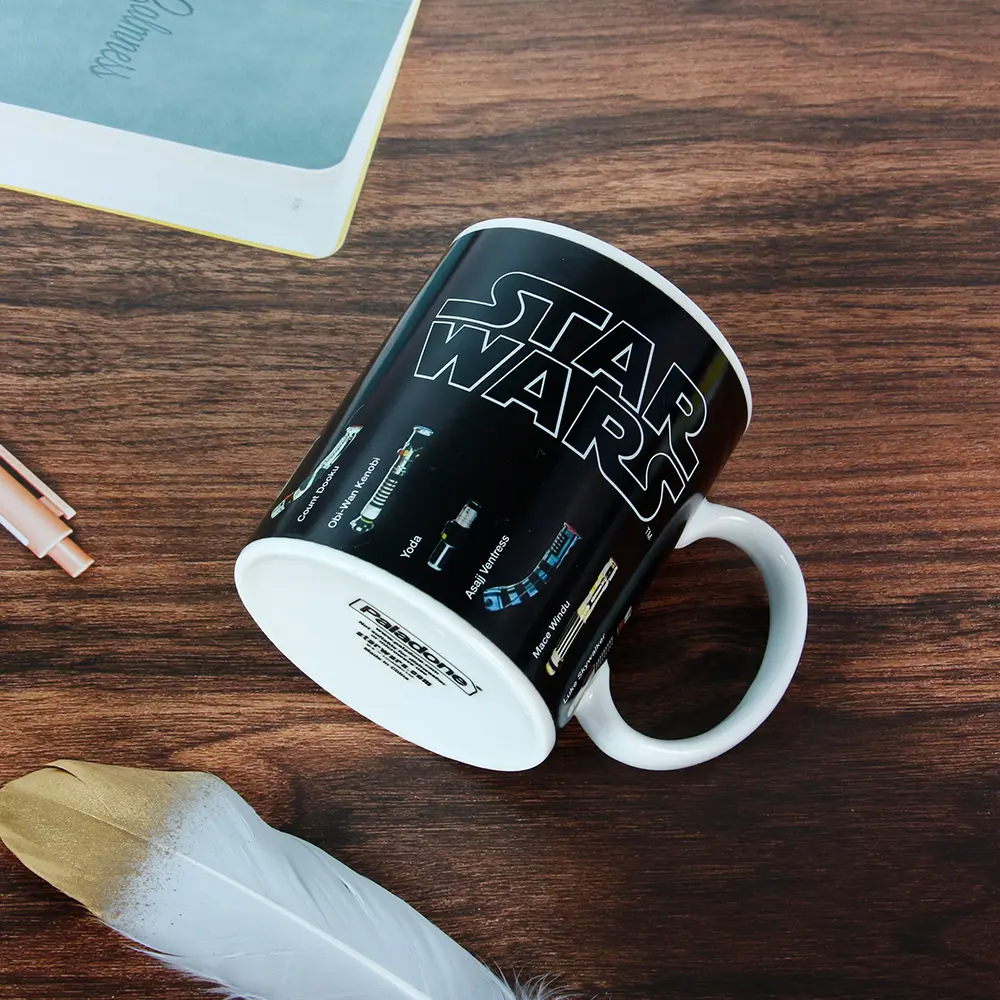
I have seen many buyers become excited by unusual effects during sampling. However, mass production rewards reliability more than novelty. When I evaluate a color-changing cup project for OEM or ODM production, I usually start with one question: Will the end user clearly see the effect at the right moment?
What Types of Color-Changing Cup Effects Are Common Now?
A color-changing cup can use several different visual effects, but many buyers group them together too quickly. That creates confusion during sampling, quotation, and quality inspection. If the effect principle is unclear, the supplier and buyer may test the product under different conditions.
The common color-changing effects for cups include temperature-sensitive color change, UV color change, and glow-in-the-dark luminous effects. Temperature-sensitive change can be divided into cold-change and heat-change types. UV change reacts to ultraviolet light. Glow effects absorb light first and then emit visible light in darkness.
The three mainstream effects
In daily procurement discussions, I usually see three major categories of color-change technology for drinkware:
-
Temperature-sensitive color changing
- Cold-change: The cup changes when it contacts cold liquid, ice water, or a low-temperature environment.
- Heat-change: The cup changes when it contacts hot water, coffee, tea, or another warm beverage.
-
UV color changing
- The cup changes color after exposure to ultraviolet light.
- The effect is usually triggered outdoors under sunlight or under a UV lamp during testing.
-
Glow-in-the-dark effect
- The material absorbs light during the day or under strong lighting.
- The cup then glows in a darker environment for a limited period.
These effects are often produced through specialty pigments, inks, coatings, or additives. The final structure depends on the base material, design position, printing method, and safety requirements.
How buyers should compare the effects
For B2B buyers, the question is not only “Which effect looks better?” The better question is: Which effect performs consistently in the target use scene?
| Effect type | Trigger condition | Best use scene | Main buyer concern |
|---|---|---|---|
| Temperature-sensitive cold change | Cold liquid or ice | Summer drinks, tumblers, stadium cups | Color response and washing durability |
| Temperature-sensitive heat change | Hot beverage | Mugs, ceramic cups, glass cups | Heat resistance and safety testing |
| UV color change | Ultraviolet light | Outdoor promotions, beach, sports events | UV aging and user visibility |
| Glow-in-the-dark | Light absorption first, darkness later | Night events, novelty gifts | Brightness decay and complaint risk |
Cold-change versus heat-change
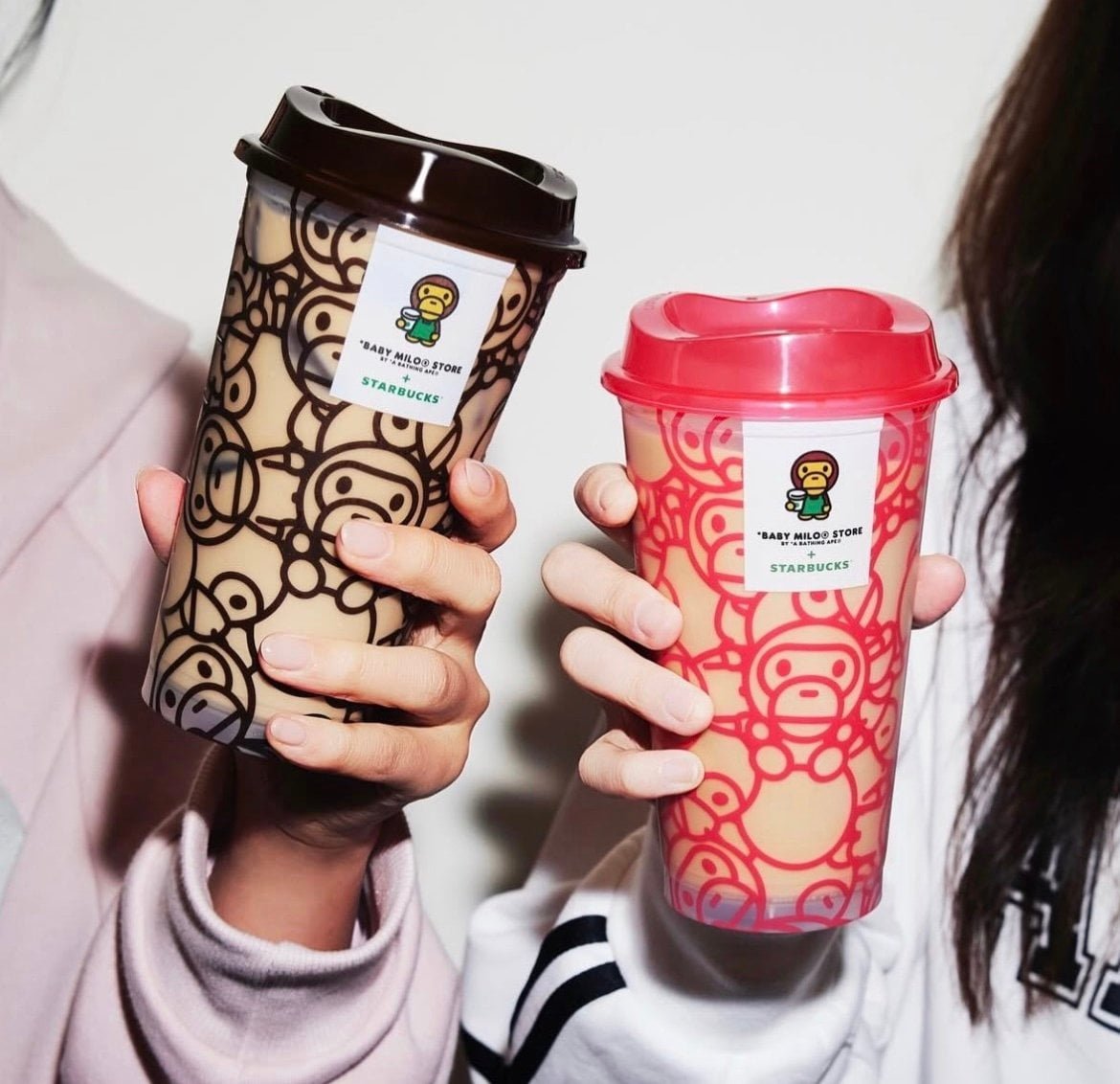
A cold-change cup is usually easier for consumers to understand in summer scenes. The user adds ice or cold water, and the surface changes quickly. I often recommend this effect for plastic tumblers, party cups, and outdoor campaigns.
A heat-change cup is very common in ceramic mugs and some glass products. The visual reveal can be strong because hot water creates a clear transition. However, buyers must verify that the cup, coating, and decoration method meet the expected temperature and safety requirements.
Why classification matters in procurement
A buyer may ask for “a magic cup,” but that phrase can mean different things to different suppliers. One supplier may quote a ceramic heat-change mug. Another supplier may quote a plastic cold-change tumbler. A third supplier may offer UV ink.
That difference affects:
- Unit price
- Minimum order quantity
- Tooling and mold requirements
- Printing process
- Lead time
- Packaging method
- Compliance testing
- After-sales risk
In my experience with custom drinkware projects, the early brief should specify the trigger condition. A simple line such as “color changes below 15°C” or “color changes under outdoor UV exposure” can prevent many misunderstandings.
For factory evaluation, buyers should also ask for pre-production samples, aging test conditions, wash test references, and material safety documents. Certifications and test reports should always be treated as documents to verify, not as marketing claims to accept blindly.
What Critical Limitations Do Color-Changing Cup Types Have?
A color-changing cup may look impressive in a sample room, but the real problem appears after consumers use it. If the scene does not match the effect, the product can feel weak or even defective. This is why limitations must be evaluated before mass production.
The critical limitations are tied to the trigger condition. UV cups may already be changed before the user notices the process. Glow cups need enough light absorption first and lose brightness over time. Temperature-sensitive cups are more practical, but they still need proper pigment selection, process control, and realistic testing.
UV color change: the scene can be awkward
UV color change sounds exciting because sunlight feels like a natural trigger. However, the actual user experience can be less satisfying.
When a person walks outdoors, the cup may change before they look down. By the time they notice the cup, the transformation has already happened. The user sees the final color, but not the process. For a color-changing cup, the process is often the most fun part.
I have discussed this issue with many customers during sampling and after-sales reviews. The feedback is consistent. UV change is attractive in controlled demonstrations, but real outdoor use gives the user less control.
UV exposure also creates a durability conflict
UV color-changing ink needs ultraviolet light to work. However, many colorants, coatings, and polymers can be affected by long-term UV exposure. That creates a natural conflict:
The product depends on UV light for the effect, but UV exposure can also accelerate aging.
This does not mean UV color-change cups are always bad. It means buyers need clearer expectations and better validation.
A careful buyer should ask:
- How many UV exposure cycles were tested?
- Was the product tested under natural sunlight or only under a UV lamp?
- Did the color return normally after repeated exposure?
- Did the printed area fade, yellow, crack, or lose sensitivity?
- Does the target market require food-contact testing or migration testing?
Glow-in-the-dark: the effect depends on charging
Glow-in-the-dark products have another practical limitation. The cup must absorb light before it can glow. If a user takes the product directly from an indoor box or cabinet and expects strong brightness immediately, the result may disappoint them.
Glow materials often absorb stronger light more effectively, especially light with UV content. After sufficient exposure, they can emit light in the dark. However, the brightness is not constant forever. It weakens over time.
This behavior is often described through a decay curve or half-life concept. The glow is strongest soon after charging. Then it gradually becomes weaker. If too much time passes between the light-absorption scene and the dark-use scene, the glow may appear faint.
Why glow complaints happen
Glow complaints often happen because consumer expectations are different from material reality. A buyer may imagine a cup glowing strongly all night. A consumer may expect the effect without charging. A factory may test the product immediately after strong light exposure. These three views are not the same.
For commercial projects, I suggest putting the glow effect into a clear use case:
| Question | Practical evaluation point |
|---|---|
| Where will the cup absorb light? | Store display, outdoor event, indoor lighting, UV lamp |
| How long will it absorb light? | 5 minutes, 30 minutes, several hours |
| When will the consumer use it? | Immediately, later that evening, next day |
| How dark is the environment? | Dim room, party venue, outdoor night scene |
| What brightness is acceptable? | Decorative glow, strong visual effect, novelty highlight |
Temperature-sensitive cups also need control
Temperature-sensitive cups are more common, but they are not free of risk. The buyer still needs to check:
- Trigger temperature range
- Color contrast before and after change
- Return speed after temperature recovery
- Dishwasher or hand-wash suitability
- Scratch resistance
- Ink adhesion
- Food-contact safety
- Batch-to-batch consistency
For example, a cold-change plastic cup may look good with ice water but show weak change with only slightly cool water. A heat-change mug may reveal a design well with boiling water but perform slowly with warm water. These details should be tested under realistic conditions, not only under ideal demo conditions.
The procurement lesson
The biggest defect is not always technical failure. Sometimes the biggest defect is scene mismatch. A product can pass a basic sample test and still fail in consumer experience.
That is why I prefer to discuss three things early:
- Who will use the cup?
- When will they see the color change?
- What condition will trigger the effect?
If the buyer, supplier, and factory agree on these points, the project becomes easier to control. If they do not agree, even a beautiful sample may become a risky mass order.
Why Is the Temperature-Sensitive Color-Changing Cup the Most Common Choice?
A temperature-sensitive color-changing cup succeeds because it fits the way people already drink. Many novelty effects ask users to change their behavior. That creates friction. Temperature-sensitive change works during pouring, holding, cooling, and drinking, so the effect feels natural instead of forced.
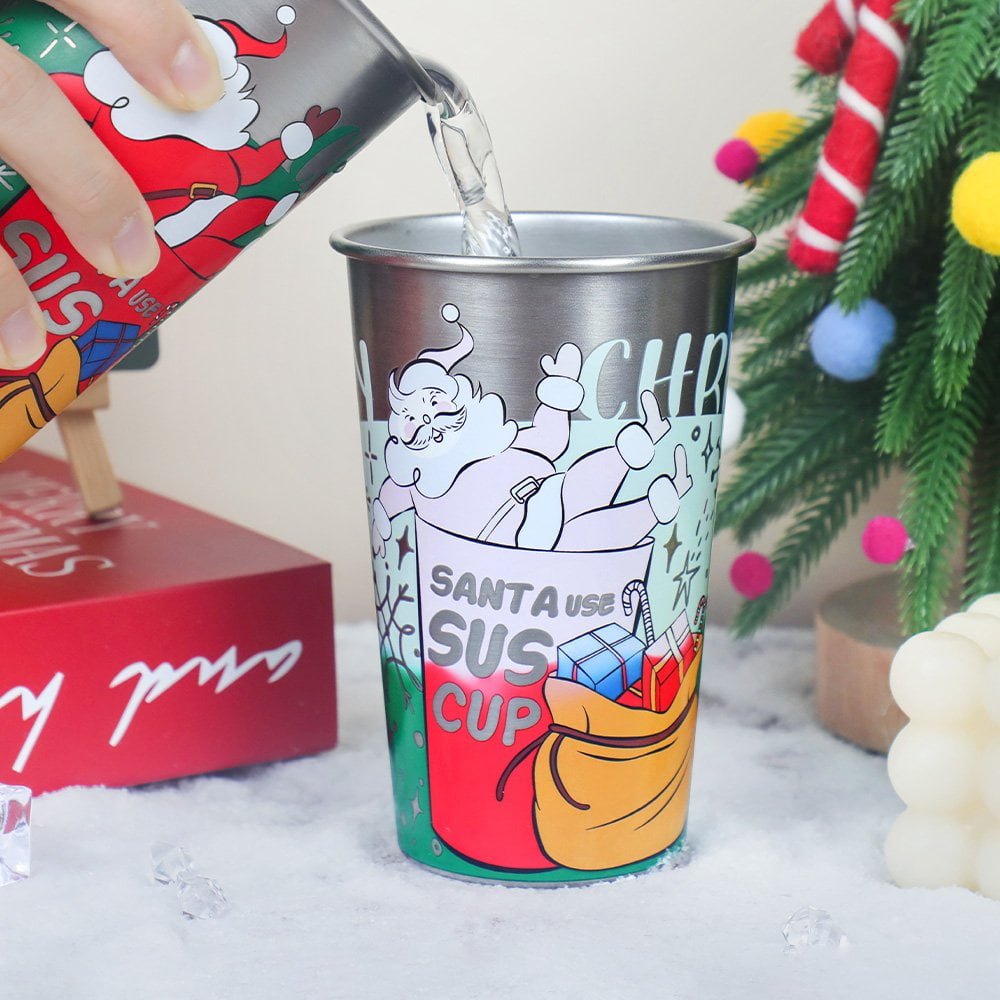
The temperature-sensitive color-changing cup is the most common choice because it covers common drinking scenes: hot drinks, cold drinks, and room-temperature storage. Consumers usually watch the cup while pouring liquid, so they can clearly see the transformation. This makes the product more interactive, predictable, and commercially reliable.
Drinking behavior supports the effect
Most beverage use can be simplified into three temperature conditions:
-
Hot liquid
- Coffee
- Tea
- Hot water
- Cocoa
-
Cold liquid
- Ice water
- Soft drinks
- Juice
- Iced coffee
- Sports drinks
-
Room-temperature liquid
- Bottled water
- Office drinking water
- Some daily household drinks
A color-change effect does not need to cover every possible scene. It needs to cover enough common scenes to feel useful and fun. In many consumer markets, hot and cold drinking moments represent a large share of visible cup use. From my own project discussions, I often estimate that temperature-sensitive effects can cover around 60% or more of practical drinking scenes, depending on product type and target market.
The pouring moment is powerful
The most important advantage is simple: people look at the cup when they pour liquid.
When someone pours water, coffee, tea, or a cold drink, they naturally watch the cup to avoid spilling. That gives them the perfect chance to see the color change happen. The interaction is not hidden. It does not require extra instructions. It does not depend on remembering to charge the product with light. It does not require the user to stand outdoors at the right moment.
This is the main reason I believe temperature-sensitive color change is more commercially dependable than many other novelty effects.
The effect has a clear cause and result
Consumers understand temperature quickly. If the cup changes after adding ice water, the reason feels obvious. If a mug reveals a design after adding hot coffee, the user understands the magic immediately.
That matters for promotional products and retail packaging. A buyer can explain the product in one sentence:
- “Add cold water and the cup changes color.”
- “Pour hot coffee and the hidden design appears.”
- “Use ice and watch the tumbler transform.”
A UV product may need more explanation. A glow product may need charging instructions. A temperature-sensitive cup is easier to demonstrate in a store, on social media, or in a short product video.
The supply chain is also mature
Another reason this category is common is supply chain maturity. Temperature-sensitive pigments and coatings are widely used in drinkware, toys, labels, packaging, and novelty products. Many experienced manufacturers understand the basic processing windows.
For OEM/ODM drinkware, this maturity helps with:
| Procurement factor | Why temperature-sensitive cups are easier to manage |
|---|---|
| Sampling | Buyers can test with hot or cold water immediately |
| Demonstration | Sales teams can show the effect indoors |
| Quality inspection | Inspectors can define trigger conditions |
| Consumer education | Packaging instructions are simple |
| Product videos | The transformation is easy to film |
| Market fit | Hot and cold beverages are universal |
Quality control still matters
A temperature-sensitive color-changing cup can be stable only when the supplier controls materials and process parameters carefully. Buyers should not treat the effect as automatic.
I usually suggest buyers check the following during evaluation:
-
Trigger temperature
- Cold-change may be designed around a specific low-temperature range.
- Heat-change may be designed around common hot beverage temperatures.
-
Color contrast
- The change should be visible under normal indoor lighting.
- The before-and-after colors should not be too similar.
-
Response speed
- A slow effect may feel weak.
- A fast effect usually creates stronger user excitement.
-
Return performance
- The color should return as the cup warms or cools back.
- The return should remain consistent after repeated use.
-
Wash durability
- Buyers should confirm whether the cup is hand-wash only or dishwasher suitable.
- The decoration method and coating structure affect durability.
-
Food-contact compliance
- Buyers should request applicable test reports for the destination market.
- Buyers should verify documents through proper channels when needed.
Why brands keep choosing it
Brands choose products that consumers can understand quickly. A temperature-sensitive color-changing cup gives a clear reward during a normal action. That is why it works for:
- Retail drinkware
- Promotional gifts
- Theme park cups
- Sports event tumblers
- Coffee shop merchandise
- Holiday mugs
- Children’s drinkware, subject to safety review
- Corporate campaigns
When a customer asks me which effect is safest for a broad audience, I usually start with temperature-sensitive options. I do not say it is always the best. Application-specific decisions should be reviewed by qualified professionals, especially for children’s products, food-contact rules, and special material requirements. However, for many standard promotional and retail projects, it offers the best balance between novelty and reliability.
What Materials Sell Best for a Temperature-Sensitive Color-Changing Cup?
A color-changing cup depends not only on the pigment or ink. The base material also affects cost, appearance, durability, compliance, and shipping risk. If the buyer chooses the wrong material, the project may become too expensive, too fragile, or unsuitable for the target channel.
The best-selling materials for temperature-sensitive color-changing cups are usually plastic and ceramic, followed by glass, stainless steel, aluminum, and specialty combinations. Plastic works well for cold-change tumblers and promotional cups. Ceramic is strong for heat-change mugs. The best choice depends on beverage temperature, market positioning, testing needs, and order quantity.
Plastic: strong for cold-change and volume orders
Plastic is often the most common material for cold-change drinkware. It is lightweight, cost-effective, and suitable for high-volume promotional projects. Many summer campaigns, stadium cups, and party tumblers use plastic because the product can be colorful, stackable, and easy to ship.
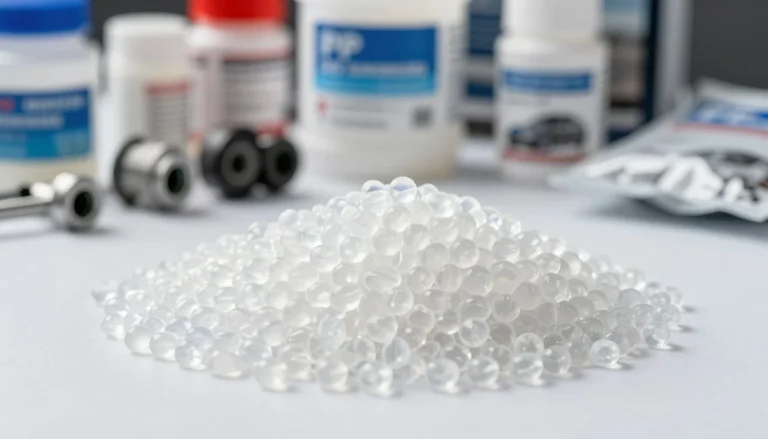
Common plastic options may include PP, AS, PS, PET, or other material systems, depending on design and local regulations. Buyers should verify the exact resin, food-contact suitability, and temperature limit with the supplier.
Plastic works especially well when:
- The product targets cold drinks.
- The buyer needs a lower unit cost.
- The order quantity is large.
- The product is for events, festivals, or giveaways.
- The design needs bright colors.
- The shipping budget is sensitive.
However, plastic also needs careful evaluation. Some plastics are not suitable for high temperatures. Some are more scratch-prone. Some markets have strict rules around BPA, food-contact migration, or recycling claims. A responsible supplier should help the buyer confirm the correct material grade and testing scope.
Ceramic: classic for heat-change mugs
Ceramic mugs are one of the most recognized formats for heat-change designs. A hidden image can appear when hot water or coffee is added. The experience is easy to understand, and the perceived value can be higher than a simple plastic cup.
Ceramic works well for:
- Coffee mugs
- Gift mugs
- Office merchandise
- Photo reveal designs
- Holiday promotions
- Retail boxed products
The main concerns are breakage, weight, printing durability, and thermal behavior. A ceramic color-changing cup may also need clear instructions because some coatings are not suitable for dishwashers or microwave ovens. Buyers should never assume compatibility. They should request written specifications and test evidence.
Glass: premium look but higher handling risk
Glass gives a clean and premium appearance. It can be attractive for cold-change designs, beer glasses, cocktail glasses, and branded drinkware. The transparency of glass can make the beverage and color effect feel more refined.
However, glass creates higher risk in shipping and consumer handling. It is heavier than plastic and more fragile than stainless steel. Packaging design becomes important. For export orders, buyers should consider drop testing, carton strength, pallet loading, and breakage allowance.
Glass may be a good fit when:
| Use case | Why glass may work |
|---|---|
| Premium retail drinkware | Clear appearance supports higher perceived value |
| Barware promotions | Consumers expect glass for cocktails or beer |
| Gift sets | Glass pairs well with premium packaging |
| Visual beverage products | Transparent walls show both drink and color effect |
Stainless steel: durable but more complex
Stainless steel drinkware is popular because it feels durable and premium. It is common in tumblers, bottles, and travel mugs. A temperature-sensitive effect can be applied through coating or printing, but the structure is more complex than basic plastic.
Stainless steel cups often involve:
- Metal forming
- Surface treatment
- Powder coating or painting
- Printing
- Vacuum insulation, in some designs
- Lid and accessory assembly
The buyer should evaluate adhesion, scratch resistance, temperature behavior, and coating durability. If the product uses vacuum insulation, the outer surface may not respond to beverage temperature in the same way as a single-wall cup. That point is important. A double-wall insulated bottle may keep the outside too stable for some temperature-sensitive effects unless the effect is designed for external conditions.
Aluminum: lightweight and event-friendly
Aluminum can be lightweight and visually attractive. It may work for promotional bottles or cups, especially when metallic finishes are desired. However, buyers need to evaluate inner coatings, dent resistance, food-contact requirements, and decoration compatibility.
Aluminum is not automatically better or worse than stainless steel. It is a different procurement choice. The correct selection depends on the product’s price level, target market, beverage type, and brand positioning.
A practical material comparison
| Material | Best color-change fit | Main advantage | Main concern |
|---|---|---|---|
| Plastic | Cold-change cups and tumblers | Low cost, light weight, vivid colors | Heat limit and scratch resistance |
| Ceramic | Heat-change mugs | Familiar format, strong reveal effect | Breakage and wash instructions |
| Glass | Premium cold or heat designs | Clean look, high perceived quality | Fragility and shipping protection |
| Stainless steel | Premium coated tumblers | Durable and high-end feel | Coating adhesion and insulation effect |
| Aluminum | Lightweight bottles and cups | Light and metallic appearance | Denting and lining requirements |
What I recommend for different buyers
For trade companies and brand buyers, I usually suggest starting with the target sales channel.
- For mass promotional campaigns, I often evaluate plastic cold-change cups first.
- For coffee-related gifts, I usually evaluate ceramic heat-change mugs first.
- For premium retail sets, I consider glass or stainless steel after checking the effect design.
- For outdoor events, I compare plastic, stainless steel, and aluminum based on budget and durability.
- For strict compliance markets, I ask buyers to define testing requirements before final material selection.
Our factory background gives us a broad view because we have worked with plastic, glass, ceramic, aluminum, and stainless steel drinkware for many years. However, I still prefer to test each new design as its own project. A material that works beautifully for one design may not work for another design with a different coating, color, thickness, or target temperature.
For application-specific decisions, buyers should use qualified testing labs and professional review. A reliable supplier can support documentation, but the buyer should verify that the selected cup meets the legal and commercial requirements of the destination market.
Frequently Asked Questions
Is a temperature-sensitive color-changing cup safe for food contact?
A temperature-sensitive color-changing cup can be safe when the base material, pigment system, coating, and production process meet applicable food-contact requirements. Buyers should request test reports for the destination market and verify them where necessary. Safety should be confirmed by qualified labs, not assumed from product appearance.
Does a color-changing cup last forever?
No color-changing cup should be expected to last forever. The effect may weaken with abrasion, washing, UV exposure, high temperature, or chemical contact. Durability depends on the material, ink, coating, and usage instructions. Buyers should define wash tests and aging tests before approving mass production.
Which is better, cold-change or heat-change?
Cold-change is often better for plastic tumblers, summer drinks, and event cups. Heat-change is often better for ceramic mugs and hot beverage gifts. The better option depends on the user scene. I usually choose the effect based on when the consumer will naturally watch the cup.
Why does a glow-in-the-dark cup sometimes look weak?
A glow-in-the-dark cup may look weak if it has not absorbed enough light before use. The glow also decays over time after charging. Stronger light exposure usually creates a better initial glow, but brightness still fades. Buyers should set realistic instructions and test conditions.
Can UV color-changing cups be used for outdoor promotions?
UV color-changing cups can work for outdoor promotions, but buyers should understand the limitations. The cup may change before the user notices the process, and UV exposure may affect long-term durability. Buyers should request UV aging data, color-return tests, and realistic outdoor samples before ordering.
Conclusion
A color-changing cup sells best when the effect matches real user behavior. UV and glow-in-the-dark designs can be creative, but they have natural scene limitations. The temperature-sensitive color-changing cup remains the most common choice because users see the transformation while pouring hot or cold drinks. If you are planning an OEM/ODM drinkware project, I can help you compare materials, effects, samples, and quality-control points before mass production.