
The drinkware manufacturing industry is changing faster than many buyers expected. New materials, shorter retail seasons, stricter compliance checks, and more customized product briefs1 can turn a simple cup project into a sourcing risk. The solution is not chasing every trend, but choosing suppliers that can convert trends into stable mass production.
The future of the drinkware manufacturing industry will be shaped by supplier capability, not only by new styles or materials.2 Buyers should evaluate whether a factory can support compliant materials, reliable color-changing effects, fast sampling, consistent bulk quality, flexible customization, and clear project communication from concept to shipment.
In my factory experience, the most successful buyers do not ask only, “What is trending?” They also ask, “Can this supplier make the trend safe, repeatable, attractive, and deliverable at scale?” That question separates a nice sample from a profitable product launch.
Why Is the Drinkware Manufacturing Industry Moving From Style Trends to Supplier Capability?
A trend can look exciting during product planning, but it can become costly during sampling and mass production.3 Buyers feel pressure to launch faster, differentiate more clearly, and reduce quality complaints. The practical solution is to treat each trend as a test of supplier capability.
The drinkware manufacturing industry is moving from style trends to supplier capability because buyers need more than attractive products. They need factories that can manage materials, compliance documents, customization, color consistency, packaging, timelines, and bulk inspection with fewer surprises.

Trends are useful only when they survive production
I have seen many product ideas look excellent in a digital mockup and even in the first handmade sample. However, a real order is different. A buyer may need thousands or hundreds of thousands of pieces. The product must pass internal checks, arrive on time, and match the approved sample closely enough to protect the brand.
That is why I view future trends as capability signals. A trend tells buyers what questions to ask suppliers.
For example:
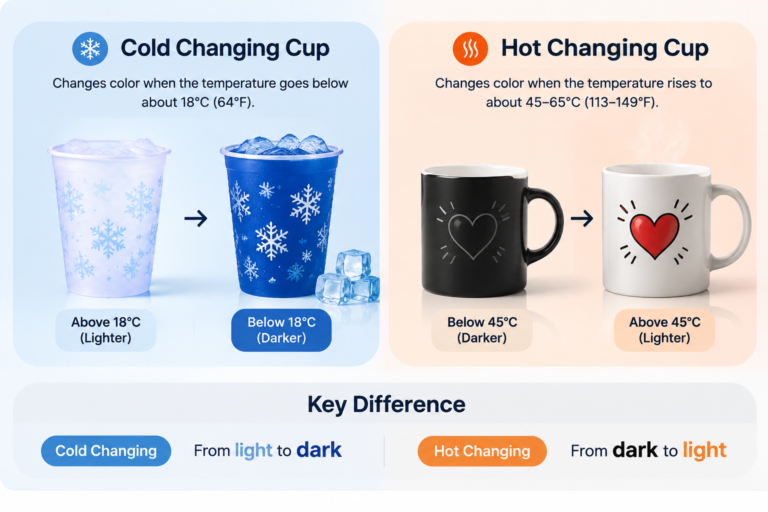
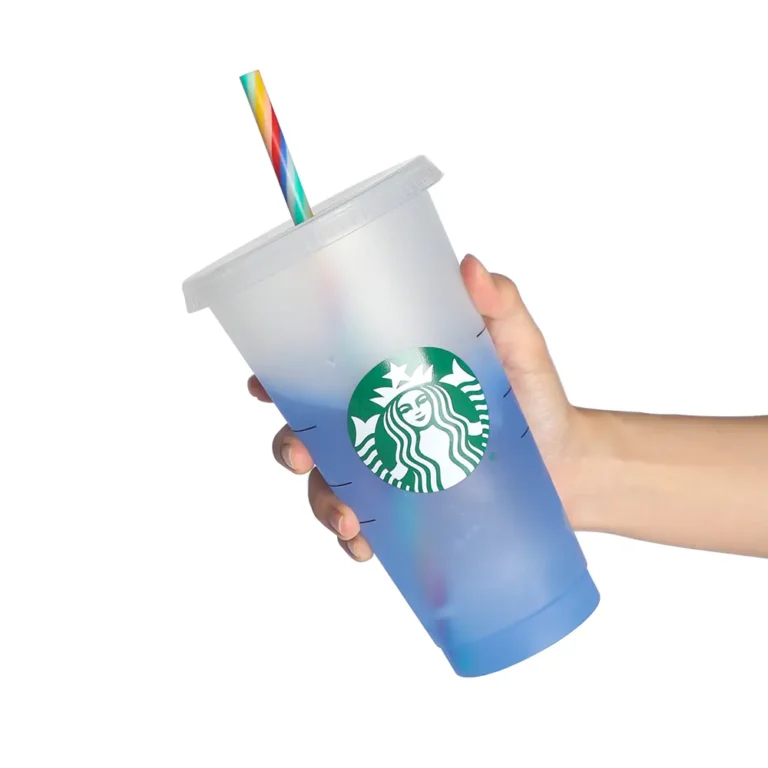
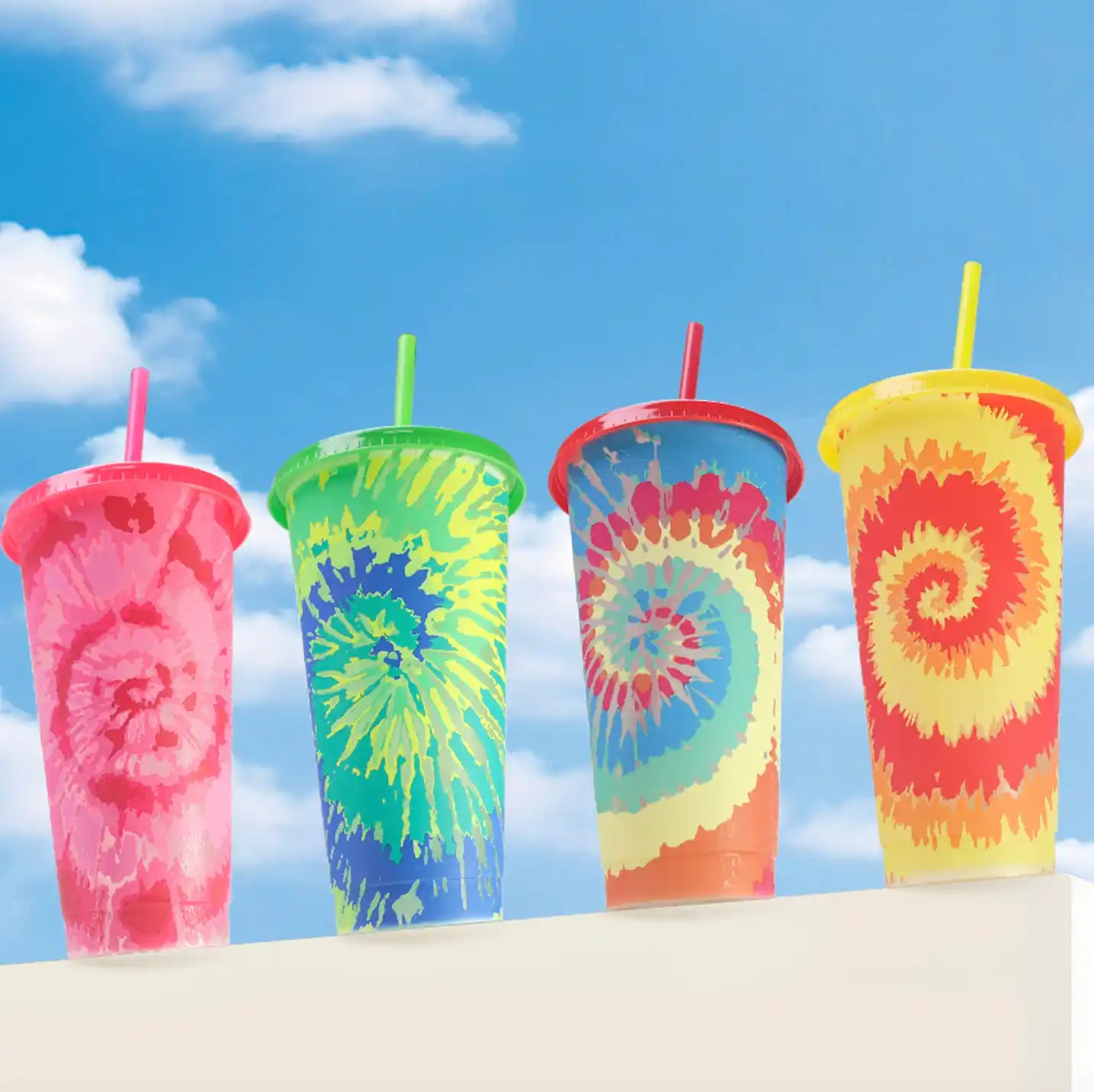
- A color-changing tumbler trend tests temperature-sensitive pigment stability.
- A recycled plastic concept tests material traceability and processing stability.
- A multi-color ceramic mug tests glaze consistency and firing control.
- A stainless steel bottle with custom coating tests surface treatment adhesion.
- A promotional cup program tests sampling speed and bulk repeatability.
In the past, some buyers focused mainly on unit price. That still matters. However, low price becomes a weaker advantage when it creates hidden costs4. A slightly cheaper cup can become expensive if it causes:
- Color effect inconsistency
- Logo misalignment
- Surface scratches
- Weak packaging
- Delayed shipment
- High after-sales complaints
What capability looks like in real procurement
A future-ready drinkware supplier should help buyers connect product creativity with manufacturing reality. This does not mean the factory must say “yes” to every idea. In fact, I trust a supplier more when the team can explain limits clearly.
| Buyer requirement | Supplier capability to verify | Common sourcing risk |
|---|---|---|
| New material | Material documentation and processing experience | Material looks good but fails use-case needs |
| Color-changing effect | Stable pigment application and batch control | Sample changes color well, bulk does not |
| Fast launch | Quick sampling and coordinated departments | Sample approved too late for retail window |
| Custom design | Mold, printing, coating, and packaging coordination | Each process works alone but fails together |
| Compliance | Relevant documents for buyer review | Claims are made but documents are incomplete |
| Bulk consistency | Incoming, in-process, and final inspection | Appearance varies between cartons |
For European and American brand buyers, the future of drinkware sourcing will likely depend less on finding a “magic product” and more on finding a factory that can repeat good outcomes. Buyers should still verify certifications, test reports, and claims through their own compliance process or qualified third parties.5 A supplier can provide documents, but the buyer should confirm that those documents match the product, material, destination market, and order period.
A good trend creates opportunity. A good supplier turns that opportunity into repeatable delivery.
How Will Sustainability Reshape the Drinkware Manufacturing Industry?
Sustainability creates real pressure for drinkware buyers, but it also creates confusion. A material can sound eco-friendly while still being unsuitable for a product’s use case.6 Buyers need a practical way to evaluate sustainability without relying only on marketing language.
Sustainability will reshape the drinkware manufacturing industry by pushing buyers to review materials, durability, compliance documents, packaging, production stability, and product lifespan together. The best sustainable option is not always the newest material. It is the option that fits the intended use, market requirements, and quality expectations.
Sustainability is not only a material label
In drinkware production, sustainability often starts with material selection. Buyers may ask about recycled plastic, stainless steel, glass, ceramic, aluminum, or lower-impact packaging. These are important discussions. However, I have learned that a material claim alone does not answer the full question.
A product should also be judged by:
- Durability
- Food-contact suitability7
- Production stability
- Repair or replacement expectations
- Packaging efficiency
- Transportation damage rate
- End-user behavior
- Compliance documentation
For example, a reusable bottle with a long service life can support a sustainability story better than a fragile item that breaks quickly8. However, stainless steel may not be the right fit for every promotion because cost, weight, decoration method, and retail positioning also matter.
Practical comparison of common drinkware materials
Different materials serve different buyer goals. I do not recommend choosing materials only because they are popular. Buyers should match materials to product positioning, compliance needs, and use environment.
| Material | Common strengths | Buyer evaluation focus | Possible risk |
|---|---|---|---|
| Plastic | Lightweight, colorful, flexible shapes | Food-contact compliance, heat resistance, pigment stability | Deformation, odor, lower perceived value |
| Glass | Clean look, good transparency, premium feel | Breakage rate, packaging strength, decoration durability | Shipping damage, weight |
| Ceramic | Strong retail appeal, good for mugs | Glaze quality, firing consistency, logo method | Color variation, chipping |
| Aluminum | Lightweight, metallic appearance | Inner coating, dent resistance, printing adhesion | Surface dents, coating concerns |
| Stainless steel | Durable, reusable, strong gift value | Grade verification, insulation performance, coating adhesion | Higher cost, process complexity |
A sustainable product brief should include more than “eco-friendly.” I prefer to see specific questions:
- What material is required?
- What market will the product enter?
- What food-contact rules must the buyer review?
- What temperature range will users expect?
- Will the product be washed by hand or dishwasher?
- What lifespan does the brand promise?
- What packaging standard is required for shipping?
Sustainability must be verifiable
Many factories can say they support sustainable options. Buyers should ask for documents they can review. These may include material declarations, food-contact test reports, recycled content documentation, or packaging-related documents, depending on the product and destination market.
However, I recommend caution. Documentation should be checked carefully because:
- A certificate may apply to one material but not another.
- A test report may apply to a previous batch or similar item.
- A document may not cover the buyer’s destination market.
- A claim may not match the final customized product.
This is especially important for OEM/ODM drinkware because customization can change risk. A coating, ink, decal, lid material, straw, silicone ring, or color-changing pigment may need separate attention. Buyers should involve qualified compliance professionals when application-specific decisions are important.
Sustainability will remain a strong direction. Still, the winning suppliers will not be the ones using the loudest environmental language. They will be the ones that help buyers make clear, documented, use-case-appropriate decisions.
Why Will Color-Changing and Custom Drinkware Need Stronger Quality Control?
Color-changing drinkware is attractive because it gives consumers a visible moment of surprise. However, that same visual effect creates quality pressure. If the color response, surface finish, or logo appearance varies too much, the product can disappoint customers quickly.
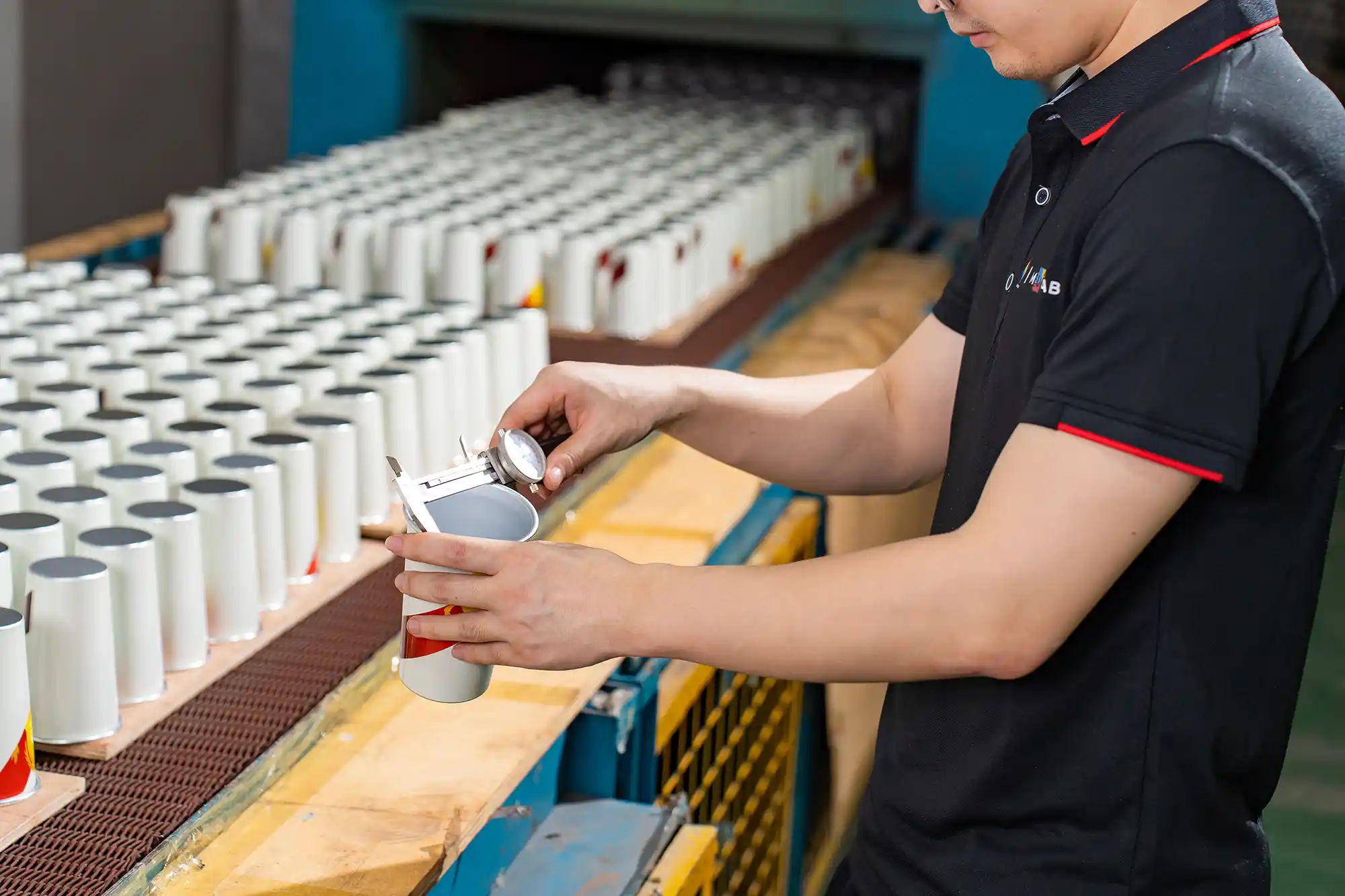
Color-changing and custom drinkware will need stronger quality control because buyers are asking for more complex visual effects, more SKUs, and faster delivery. Factories must control pigments, temperature response, printing alignment, coating adhesion, appearance standards, and batch consistency from sampling through mass production.9
Color-changing effects must be repeatable
Because my factory background is in color-changing drinkware, I pay close attention to the difference between a beautiful sample and a stable production run. A sample can be adjusted by experienced hands. A bulk order must be controlled by a process.10
A typical color-changing drinkware project may involve:
- Base cup material
- Thermochromic pigment or coating
- Color target before temperature change
- Color target after temperature change
- Logo printing or full-wrap decoration
- Surface protection
- Packaging to prevent scratching
- Inspection standards for appearance
Each step affects the final user experience. If one variable changes, the final effect may change too.
Common quality checkpoints for color-changing drinkware
Buyers should ask how the supplier checks the product during production. The answer should not be vague. A factory should be able to explain checkpoints in a practical way.
| QC checkpoint | What buyers should ask | Why it matters |
|---|---|---|
| Incoming material inspection | How are pigments, cups, lids, and accessories checked? | Poor inputs create unstable outputs |
| Sample approval | Is the golden sample stored and referenced? | Bulk production needs a clear standard |
| Color-change test | What temperature condition is used for checking? | The effect must match the intended use |
| Printing inspection | Are logo position and color checked during production? | Brand appearance depends on repeatability |
| Surface inspection | Are scratches, bubbles, and dust controlled? | Visual defects are easy for consumers to notice |
| Packaging test | Is rubbing or carton pressure considered? | Good products can be damaged in transit |
Customization increases coordination risk
Modern drinkware projects often combine several custom elements. A buyer may want a special shape, seasonal color, logo printing, gift box, barcode label, and mixed carton assortment. Each request is manageable alone. Together, they create coordination risk.
For example, a promotional campaign may require:
- Four cup colors
- Two logo versions
- Three lid colors
- Custom printed boxes
- Different shipping marks by destination
- Retail-ready packaging
- A strict delivery window
This is not just production. This is project management.
A future-ready supplier should have systems for confirming artwork, tracking samples, separating SKUs, and checking packaging details. I have seen simple mistakes happen when teams rely only on verbal communication. A small label error can delay shipment or create warehouse confusion.
Low price can damage brand value
Buyers naturally negotiate price. I respect that because every product must fit a budget. However, price should be evaluated together with risk. If a cheaper option reduces pigment quality, weakens the color-changing effect, or causes inconsistent appearance, the final cost can be much higher than the unit-price saving.
For brand buyers, I suggest comparing suppliers on:
- Defect prevention
- Sampling accuracy
- Bulk consistency
- Problem response
- Packaging reliability
- Document support
- Communication speed
In the future, quality control will become a stronger competitive advantage in the drinkware sector. Consumers see drinkware every day. They touch it, wash it, photograph it, and give it as a gift. Small defects are visible. That makes stable manufacturing more valuable than a low quotation that cannot protect the brand.
How Will Faster Product Cycles Change the Drinkware Manufacturing Industry?
Retail and promotional windows are getting shorter. Buyers often need seasonal products, influencer-inspired designs, event merchandise, or quick retail refreshes. This speed creates opportunity, but it also increases the chance of rushed samples, unclear specifications, and production mistakes.
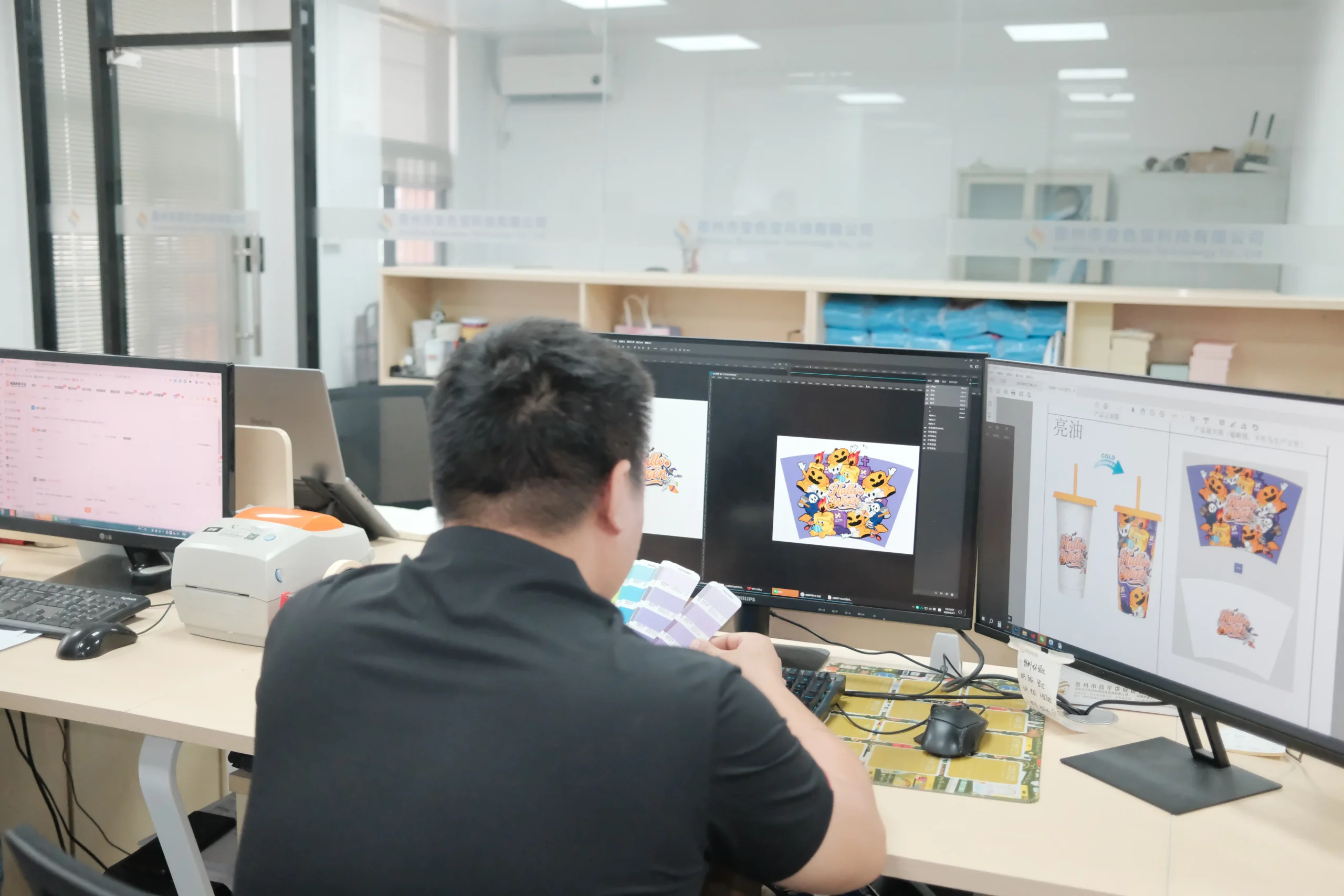
Faster product cycles will change the drinkware manufacturing industry by increasing demand for quick sampling, multi-style development, small-batch flexibility, accurate artwork confirmation, and coordinated OEM/ODM project management. Suppliers must help buyers catch launch windows without sacrificing compliance or mass-production consistency.
Speed must be organized, not improvised
Fast does not mean careless. A fast supplier needs a clear process. In my experience, the best urgent projects are not the ones where everyone rushes blindly. They are the ones where the buyer and factory confirm key details early.
Important early confirmations include:
- Product material
- Capacity and dimensions
- Color references
- Decoration method
- Logo files
- Packaging structure
- Compliance needs
- Quantity by SKU
- Target delivery date
- Inspection standard
If these points are unclear, sampling speed may not help. The first sample may look good, but the buyer may later discover that packaging is wrong, the logo size is unsuitable, or the material does not match the target market.
Multi-style development is becoming normal
Many buyers no longer want one product in one color. They may test several designs before choosing the final assortment. This is especially common for retail, promotional campaigns, and seasonal collections.
A future-ready drinkware supplier should support product development in a structured way.
| Development need | Supplier support buyers should look for |
|---|---|
| Several styles at once | Clear sample tracking and version control |
| Seasonal colors | Practical color matching and MOQ guidance |
| New decoration effects | Feasibility review before bulk order |
| Small trial order | Flexible production planning when possible |
| Rapid buyer feedback | Fast revision communication |
| Mixed packaging | SKU separation and carton marking control |
Small-batch flexibility has limits
Small-batch production sounds simple, but it depends on material, process, and production line arrangement. Buyers should ask direct questions about minimum order quantity, mold cost, color MOQ, printing setup, and packaging MOQ.
For example:
- A plastic cup color may require a minimum material batch.
- A ceramic glaze may not be practical for very small quantities.
- A stainless steel coating line may need setup time.
- A custom gift box may have a separate MOQ.
- A special lid color may require accessory planning.
A good supplier should explain these limits early. This helps buyers decide whether to adjust the design, increase quantity, use an existing mold, choose stock colors, or simplify packaging.
The buyer also affects speed
Factory speed is important, but buyer-side preparation matters too. A project moves faster when the buyer provides complete files and quick approvals.
To shorten the timeline, buyers can prepare:
- Vector logo files
- Pantone or color references
- Product usage scenario
- Target market
- Packaging requirements
- Compliance expectations
- Approved budget range
- Inspection requirements
- Shipping deadline
When these details are ready, the supplier can give more accurate advice. This reduces back-and-forth communication and helps protect launch timing.
The future drinkware market will reward suppliers that can handle speed and complexity together. A factory does not need to promise impossible timelines. It needs to provide realistic lead times, identify bottlenecks, and help buyers make decisions before delays become unavoidable.
What Should Buyers Check When Selecting a Future-Ready Drinkware Supplier?
Supplier selection is becoming more important because product requirements are becoming more complex. Buyers need partners that can manage materials, customization, documents, production, inspection, and communication. A weak supplier can turn a promising product idea into a late or inconsistent order.
Buyers should select a future-ready drinkware supplier by checking factory experience, material range, OEM/ODM process, compliance document support, sampling accuracy, quality-control system, communication habits, and mass-production track record. The best supplier is the one that reduces sourcing risk from design to delivery.
Supplier selection should follow the product risk
Not every project has the same risk. A simple stock mug with one logo may need a different evaluation than a new color-changing tumbler with custom packaging. Buyers should match supplier review depth to project complexity.
A practical supplier evaluation can include:
- Factory background and production experience
- Main product categories
- Material handling experience
- OEM/ODM customization ability
- Sample development process
- Internal QC checkpoints
- Third-party inspection cooperation
- Compliance document availability
- Communication response time
- Corrective action process
I prefer suppliers that can explain what can go wrong. This may sound negative, but it is actually professional. Every manufacturing process has limits. A factory that understands risks can usually prevent more problems.
Questions buyers should ask before placing an order
A buyer can learn a lot from the supplier’s answers before production starts.
| Evaluation area | Useful buyer question |
|---|---|
| Experience | Have you produced similar items before? |
| Sampling | How do you control sample revisions and approvals? |
| Materials | Which material options fit this use case? |
| Color-changing effect | What temperature condition should we confirm? |
| Compliance | Which documents can you provide for review? |
| Production | What are the main risks in bulk production? |
| Quality | What inspections happen before shipment? |
| Packaging | How do you prevent surface damage in transit? |
| Timeline | What is the realistic lead time after sample approval? |
| Communication | Who confirms changes and how are they recorded? |
Do not treat certificates as decoration
Many buyers ask for certifications or audit documents. This is reasonable, especially for European and American markets. However, documents should be treated as items to verify, not as simple sales decorations.
Buyers should check:
- Whether the document belongs to the correct company
- Whether the date is valid
- Whether the product scope is relevant
- Whether the tested material matches the ordered item
- Whether the document applies to the destination market
- Whether customization changes the compliance situation
For application-specific compliance decisions, buyers should work with qualified professionals or third-party laboratories. A factory can support the process by providing materials, samples, and existing documents, but final compliance review should fit the buyer’s product and market.
Future-ready suppliers solve problems early
In my experience, good OEM/ODM cooperation is not problem-free. Instead, it is problem-aware. A strong supplier raises issues before they become urgent.
For example, the supplier may say:
- “This logo line is too thin for this printing method.”
- “This coating may not match your dishwasher expectation.”
- “This color-changing effect needs a clear temperature range.”
- “This packaging may not protect the glossy surface well.”
- “This delivery date is possible only if artwork is confirmed this week.”
These comments help buyers avoid later losses. They also show that the supplier understands real manufacturing, not just quotation.
The drinkware manufacturing industry will continue to change, but the basic buyer need will remain stable: buyers want products that match the approved sample, satisfy the intended market, arrive on time, and protect the brand. Supplier selection should be built around that goal.
Frequently Asked Questions
What is the biggest future trend in drinkware manufacturing?
The biggest trend is not one material or design. It is the shift toward suppliers that can combine innovation, compliance support, customization, and stable mass production. Buyers should focus on whether a factory can turn new ideas into reliable bulk delivery.
Is sustainable drinkware always better for buyers?
Sustainable drinkware can be better when the material, durability, documentation, and use case fit the project. Buyers should avoid judging by material claims alone. They should verify compliance documents, product lifespan, packaging, and whether the product meets the target market’s expectations.
Why is color-changing drinkware difficult to manufacture consistently?
Color-changing drinkware requires control of pigments, temperature response, coating, printing, and surface protection. A sample may look attractive, but bulk production needs clear standards and inspection checkpoints. Buyers should confirm the color-change condition and compare production against approved samples.
How can buyers reduce risk in OEM/ODM drinkware projects?
Buyers can reduce risk by confirming specifications early, reviewing supplier experience, checking documents, approving physical samples, setting inspection standards, and keeping all changes recorded. Clear communication before production usually prevents more problems than urgent correction after production starts.
What should I ask a drinkware supplier before placing a bulk order?
You should ask about similar production experience, material options, sample lead time, quality-control steps, compliance document support, packaging protection, realistic delivery schedule, and known production risks. A reliable supplier should answer clearly and explain both possibilities and limitations.
Conclusion
The drinkware manufacturing industry is moving toward capability-based competition. Future-ready suppliers will not win only by offering trendy materials or low prices. They will win by helping buyers manage sustainability, customization, color-changing effects, documentation, speed, and bulk consistency. If you are planning a new OEM/ODM drinkware project, start with a clear product brief and evaluate whether the factory can support the full journey from sample to shipment. Then choose the supplier that protects your launch, your quality standard, and your brand reputation.
"OECD Recommendation of the Council on Consumer Product Safety", https://legalinstruments.oecd.org/en/instruments/OECD-LEGAL-0459. Institutional analyses of consumer-goods supply chains describe increasing pressure from shorter product cycles, customization, and compliance or traceability requirements; this supports the article’s sourcing-risk context, although the evidence is broader than drinkware alone. Evidence role: general_support; source type: institution. Supports: Neutral industry or institutional sources should support the broader trend that consumer-product supply chains face shorter development cycles, greater customization, and increased compliance or traceability requirements.. Scope note: Contextual support rather than direct proof about the drinkware category specifically. ↩
"Evaluation of supplier capability and performance: A method for supply ...", https://www.academia.edu/68359006/Evaluation_of_supplier_capability_and_performance_A_method_for_supply_base_reduction. Procurement and supply-chain research links supplier capability assessment with quality, delivery, flexibility, and innovation performance, supporting the view that manufacturing competitiveness depends on more than product design trends. Evidence role: expert_consensus; source type: paper. Supports: Research should show that supplier capabilities, including quality, delivery, flexibility, and innovation capacity, are associated with buyer performance and sourcing outcomes.. ↩
"Product Design and Development", https://www.nist.gov/mep/product-design-and-development. Research on design for manufacturing and production scale-up shows that moving from prototype or sample approval to mass production can introduce manufacturability, quality, and cost risks. Evidence role: mechanism; source type: research. Supports: A source should explain that product scale-up from prototype to production introduces risks related to manufacturability, quality variation, and cost.. ↩
"Total Cost of Ownership in Global Sourcing Decisions", https://www.zetwerk.com/blog/supply-chain/total-cost-of-ownership-global-sourcing/. Total-cost-of-ownership studies in purchasing show that acquisition price is only one cost component and that quality failures, delivery problems, and administrative costs can offset nominal unit-price savings. Evidence role: mechanism; source type: paper. Supports: Research should support that supplier selection based only on unit price can ignore lifecycle or transaction costs such as quality failures, delays, inspection, and rework.. ↩
"Key Facts: ISO Accreditation", https://www.fsis.usda.gov/science-data/laboratories-procedures/accredited-laboratory-program/key-facts-iso-accreditation. Conformity-assessment guidance from accreditation bodies emphasizes checking the validity, scope, and applicability of certificates and test reports, supporting independent verification of supplier compliance claims. Evidence role: expert_consensus; source type: institution. Supports: Accreditation or conformity-assessment sources should support the importance of verifying certificates and test reports, including scope, validity, and relevance.. ↩
"Part 260 – Guides for the Use of Environmental Marketing Claims", https://www.ftc.gov/sites/default/files/attachments/press-releases/ftc-issues-revised-green-guides/greenguides.pdf. Government green-claims guidance states that environmental marketing claims should be specific, substantiated, and not misleading, supporting the caution that an eco-friendly label alone does not establish product suitability. Evidence role: expert_consensus; source type: government. Supports: Government guidance should support that environmental claims must be substantiated, specific, and not misleading, and that context matters.. ↩
"Food Packaging & Other Substances that Come in Contact with Food", https://www.fda.gov/food/food-ingredients-packaging/food-packaging-other-substances-come-contact-food-information-consumers. Food-contact-material regulations in the United States and European Union require materials intended to contact food or beverages to be assessed for safety under relevant conditions of use. Evidence role: definition; source type: government. Supports: Official food-contact material rules should support that materials intended to contact food or beverages must meet applicable safety requirements under intended use conditions.. ↩
"How sustainable and safe is drinking from refill-and-reuse bottles? An ...", https://pubmed.ncbi.nlm.nih.gov/41175910/. Life-cycle assessment studies of reusable drinkware find that environmental benefits depend strongly on service life, number of uses, breakage rates, and washing assumptions; this supports the durability point without proving superiority for every reusable bottle. Evidence role: general_support; source type: paper. Supports: A life-cycle assessment should support that reusable cups or bottles depend on repeated use, durability, and washing assumptions to achieve environmental benefits.. Scope note: Contextual support because outcomes vary by material, energy mix, washing behavior, and comparison product. ↩
"Thermochromic Polymer Nanocomposites for the Heat ... - PMC", https://pmc.ncbi.nlm.nih.gov/articles/PMC11174980/. Studies of thermochromic pigments and coatings show that color response, stability, and durability depend on pigment chemistry, encapsulation, coating systems, temperature exposure, and processing conditions, supporting the need for controlled production variables. Evidence role: mechanism; source type: paper. Supports: Research on thermochromic pigments or coatings should support that color response and durability depend on pigment formulation, temperature conditions, coating matrix, and processing variables.. Scope note: The evidence supports material behavior generally and may not test the specific drinkware construction discussed in the article. ↩
"6.1.2. What are Process Control Techniques?", https://www.itl.nist.gov/div898/handbook/pmc/section1/pmc12.htm. Quality-management and statistical-process-control guidance emphasizes that repeatable production quality depends on defined, monitored, and controlled processes rather than one-off manual adjustments. Evidence role: mechanism; source type: institution. Supports: Quality-management or statistical-process-control sources should support that stable production depends on controlled, monitored processes rather than ad hoc manual adjustment.. ↩