
Common Quality Issues in Drinkware Manufacturing are rarely just a checklist of defects. Buyers may approve a good sample, then face color drift, leaking lids, broken cartons, or wrong barcodes in bulk production. I have seen these problems many times in factory QC, and the solution starts with risk control before production begins.
Common quality issues in drinkware manufacturing include appearance defects, color variation, deformation, leaking lids, poor printing, unstable accessories, breakage during shipping, packaging mistakes, and documentation mismatches. These issues depend on the material, product structure, customization method, inspection standard, and real use scenario, not only on final inspection.
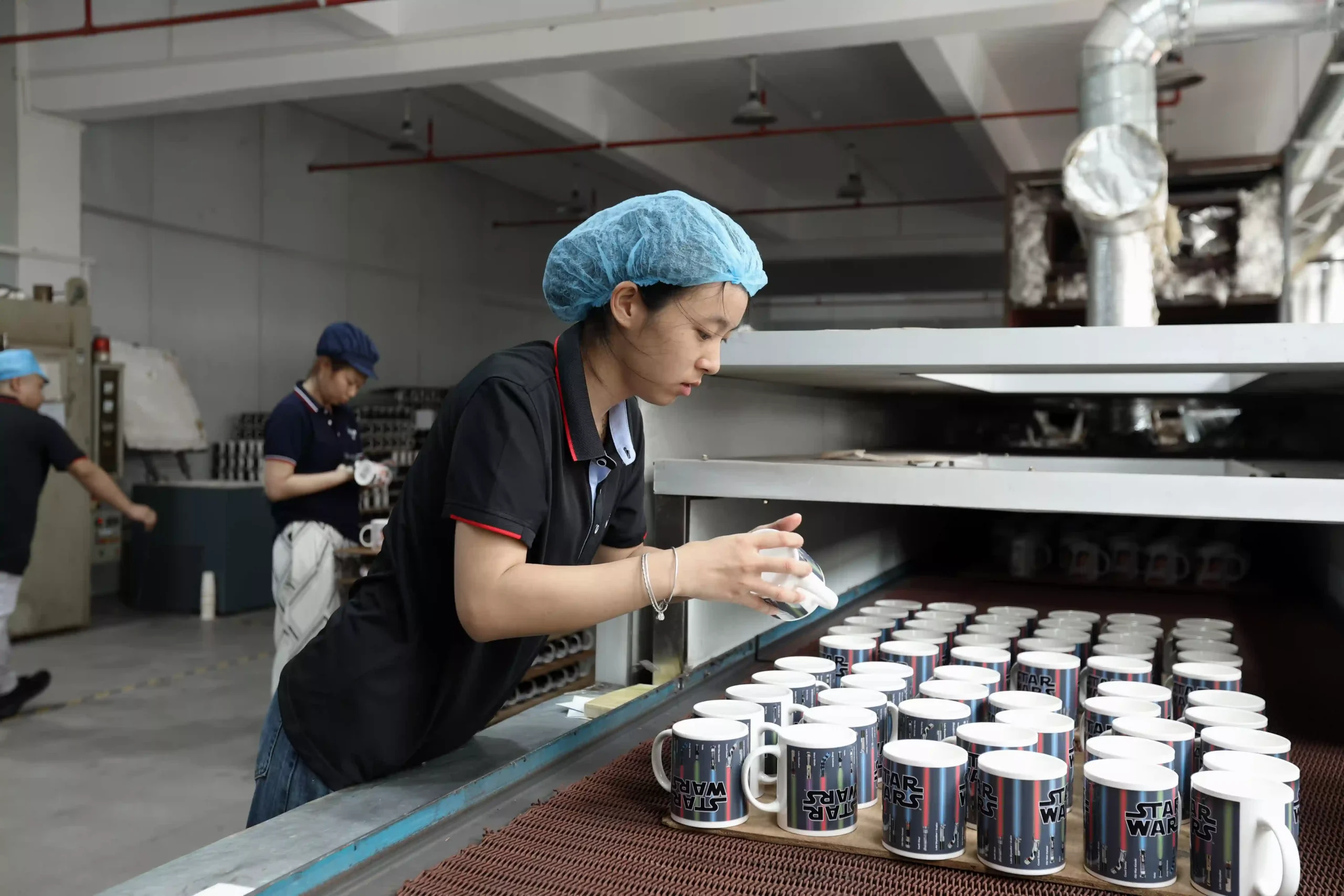
Many buyers ask, “What defects should I watch for?” I think the better question is, “Can this supplier control the defects that matter for my product?” Below, I explain the issue from a factory-side view, based on recurring problems I have seen across plastic, glass, ceramic, aluminum, and stainless steel drinkware.
Why Do Common Quality Issues in Drinkware Manufacturing Appear After Sample Approval?
A sample can look perfect on a buyer’s desk, but bulk production creates pressure. Different material batches, machine settings, worker handling, printing fixtures, and packaging speed can expose hidden risks.1 If buyers treat sample approval as full quality assurance, they may miss the real production variables.
Sample approval does not guarantee stable bulk production because samples are usually made in small quantities under closer control2. In mass production, quality issues in drinkware manufacturing may appear through color variation, surface inconsistency, deformation, print mismatch, unstable accessories, leakage, packaging errors, or inconsistent tolerances.
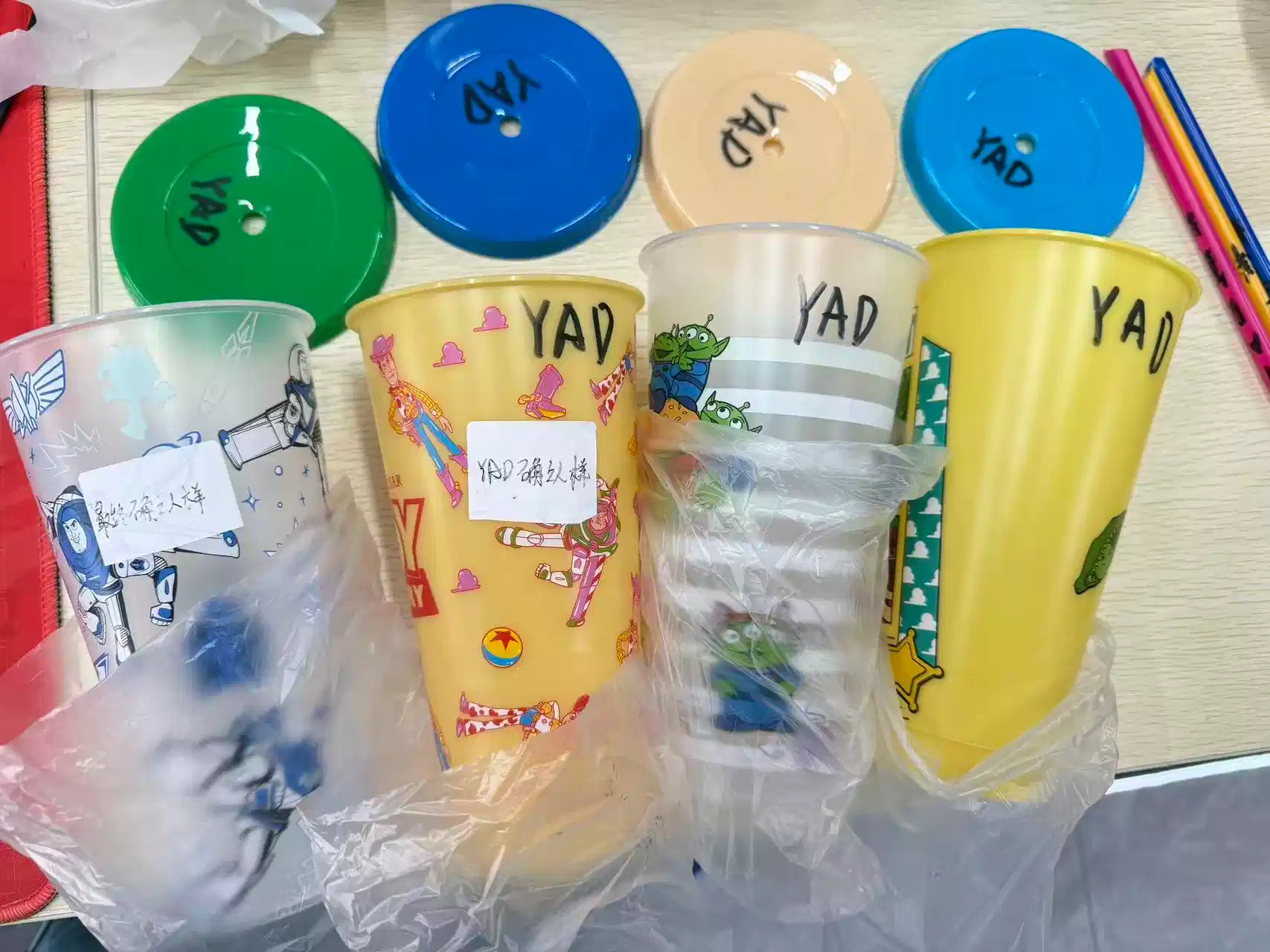
Why a good sample can still fail in bulk production
I often tell new buyers that a sample is a reference point, not a complete promise. A sample shows whether the supplier understands the design, material, decoration, and function. However, mass production tests whether the factory can repeat that result thousands or tens of thousands of times.
In drinkware sourcing, this difference is important because drinkware has both visual and functional expectations. A mug, tumbler, bottle, or cup must look good, feel right, hold liquid safely, and survive packing and transport.
Common changes between sampling and bulk production include:
- Material batch changes: Plastic resin, ceramic glaze, stainless steel sheets, aluminum blanks, and glass batches can create slight variation.
- Machine setting differences: Injection pressure, firing temperature, polishing speed, welding control, and coating time can affect results.
- Printing setup differences: Logo position may shift if jigs are changed or operators do not follow a fixed alignment standard.
- Accessory supply changes: Lids, straws, handles, silicone rings, and seals may come from different lots.
- Packaging changes: A sample may be shipped with extra care, while bulk goods face stacking pressure, vibration, and container handling3.
Common sample-to-bulk problems buyers should watch
| Production area | Sample may look acceptable | Bulk risk buyers may see |
|---|---|---|
| Color | One approved shade | Batch-to-batch color difference |
| Shape | One stable piece | Warping, deformation, unstable dimensions |
| Printing | One centered logo | Position drift, blurred edges, wrong Pantone match |
| Lid function | One lid fits well | Leakage, loose seal, hard opening |
| Surface | One polished finish | Scratches, spots, uneven coating |
| Packaging | One protected parcel | Breakage, mixed SKUs, carton compression |
What I ask buyers before confirming production
From my factory-side experience, the best way to reduce common quality issues in drinkware manufacturing is to define the order clearly before bulk production starts. I usually want the buyer to confirm:
-
Approved sample status
Is the sample only for appearance, or does it also confirm material, structure, capacity, printing, and packaging? -
Tolerance expectations
What color difference, logo position tolerance, capacity tolerance, and dimension tolerance are acceptable? -
Use scenario
Will the product be used as promotional drinkware, retail merchandise, outdoor drinkware, office gifts, or children’s products? -
Inspection standard
Will the buyer use AQL inspection4? Which defects are critical, major, and minor5? -
Packaging method
Will the product ship by sea, air, express, or e-commerce direct fulfillment?
A buyer does not need to control the factory’s machines. However, the buyer should make sure the supplier has a clear process for pre-production confirmation, in-process checking, final inspection, and packing control.
In my experience, the orders with the fewest disputes are not always the simplest products. They are the orders where the buyer and factory define the risk points early.
How Do Quality Issues in Drinkware Manufacturing Differ by Material?
Drinkware materials do not fail in the same way. A plastic tumbler, ceramic mug, glass cup, aluminum bottle, and stainless steel vacuum flask may all hold liquid, but each material has different manufacturing risks. If buyers use one checklist for every product, they may miss serious problems.
Quality issues in drinkware manufacturing differ by material because each material has its own risks in appearance, durability, forming, printing, handling, and packaging. Plastic may deform or show color variation6, glass may break or contain bubbles7, ceramic may crack or show glaze defects8, aluminum may dent, and stainless steel may leak or rust if process control is weak.
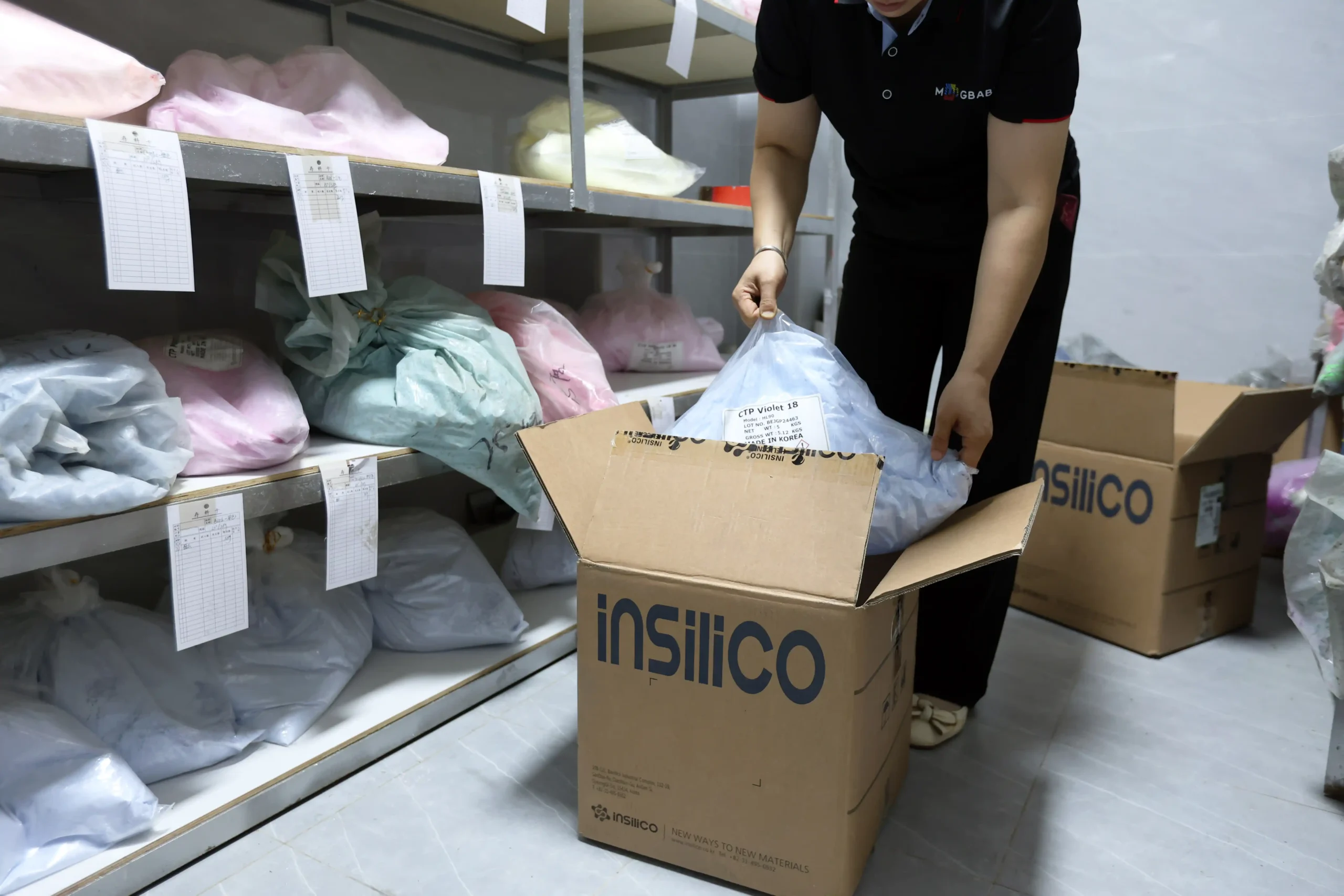
Material-specific risk is the heart of supplier evaluation
I have worked with different drinkware materials, and I do not evaluate them with the same eyes. A shiny stainless steel tumbler and a ceramic color-changing mug may both need logo printing, but the risk logic is different.
For procurement teams, this matters because the supplier’s capability must match the product. A factory strong in ceramic mugs may not automatically be strong in vacuum insulated stainless steel bottles. A supplier that understands plastic injection may not fully control glass breakage risk during packing.
Common risks by material
| Material | Common appearance risks | Common functional risks | Buyer-side concern |
|---|---|---|---|
| Plastic | Color variation, flow marks, scratches, black spots | Deformation, lid mismatch, odor, weak structure | Promotional complaints, retail returns |
| Glass | Bubbles, scratches, uneven thickness, visible marks | Breakage, sharp rim, poor thermal shock resistance | Shipping loss, safety complaints |
| Ceramic | Pinholes, glaze spots, color difference, decal defects | Cracks, handle weakness, poor mouthfeel | Gift quality disputes, breakage |
| Aluminum | Dents, coating scratches, uneven anodizing | Leakage, weak thread, internal coating concerns | Outdoor use complaints |
| Stainless steel | Scratches, polishing marks, weld marks, color coating defects | Leakage, poor insulation, rust concern9, lid failure | Higher-value return claims |
Plastic drinkware risks
Plastic drinkware is common for promotional cups, sports bottles, and color-changing drinkware. Buyers often focus on price and color, but I pay close attention to material consistency, mold condition, and assembly fit.
Common plastic problems include:
- Color difference between lid and body
- Warping after cooling
- Injection marks or flow lines
- Black spots from material contamination
- Odor from material or poor storage
- Loose accessories or unstable snap-fit parts
- Printing adhesion problems on curved surfaces
For plastic food-contact products10, buyers should ask suppliers for relevant material information and test reports, then verify whether those documents match the target market and actual production material. I see this as a coordination issue, not something buyers should accept by verbal promise alone.
Glass drinkware risks
Glass looks simple, but it is unforgiving. Small scratches, bubbles, mold marks, rim problems, and uneven wall thickness can become visible very quickly. For high-volume orders, packaging is just as important as forming.
Buyers should ask:
- Is the rim smooth and safe to touch?
- Is the wall thickness consistent enough for the use case?
- Has the packaging been tested for expected transport conditions?
- Are dividers, inner boxes, or protective sleeves required?
- Is the product for hot drinks, cold drinks, or decoration only?
Glass breakage during shipping is one of the most commercially painful common quality issues in drinkware manufacturing because the buyer may not discover the scale of the problem until goods arrive.
Ceramic drinkware risks
Ceramic mugs often carry brand logos, gift designs, and color effects. The main risks include glaze defects, decal misalignment, pinholes, iron spots, cracks, and handle weakness.
For ceramic drinkware, I watch:
- Glaze coverage near the rim and handle
- Decal position and firing result
- Bottom sanding quality
- Mouthfeel and rim smoothness
- Capacity consistency
- Carton strength and inner protection
Ceramic production includes firing, and firing always has variation. Good suppliers control that variation with sorting standards and clear defect classification.
Aluminum and stainless steel risks
Aluminum bottles can dent easily if handling is careless.11 Coating scratches and thread issues can also create complaints. Stainless steel drinkware has higher perceived value, so buyers expect better surface finishing, lid sealing, and insulation performance.
For stainless steel vacuum drinkware, buyers should clarify:
- Insulation test method and acceptance criteria
- Lid leakage test position and duration
- Surface scratch standards
- Internal cleaning standards
- Accessory material confirmation
- Packaging protection for coated surfaces
If certification or compliance is required, buyers should request documents that match the exact item, material, coating, and target market. For regulatory decisions, I always recommend buyer-side verification with qualified testing or compliance professionals.
Which Common Quality Issues in Drinkware Manufacturing Cause the Biggest Buyer Losses?
Some defects are technically interesting, but not all defects create the same business loss. Buyers usually suffer most from visible problems, functional failures, wrong packaging, or documentation errors. These issues affect customer acceptance, retail delivery, promotion deadlines, and brand reputation.
The most commercially important common quality issues in drinkware manufacturing are visible appearance defects, logo and printing failures, leaking lids, poor mouthfeel, unstable accessories, breakage during shipping, mixed packaging, wrong labels or barcodes, and documentation mismatches. These defects cause returns, delays, rework, and customer complaints.
The defects buyers actually pay for
I have seen buyers spend too much time discussing minor technical points while missing the defects that cause real market pain. For example, a tiny internal mark may matter less than a logo printed 5 mm off-center on a promotional tumbler. A small carton label error may delay warehouse receiving more than a minor surface dot.
From a buyer’s view, the most expensive defects often share one feature: they are discovered late.
Late discovery creates extra cost because goods may already be packed, shipped, or distributed. At that point, rework is difficult and replacement is slow.
High-impact defects and where they appear
| Defect type | Where it usually appears | Commercial impact |
|---|---|---|
| Logo color mismatch | Printing or decoration | Brand rejection, promotion failure |
| Leaking lid | Assembly, accessory matching, final QC | Returns, complaints, product unusable |
| Poor mouthfeel | Forming, polishing, glazing | Bad user experience |
| Surface scratches | Production, handling, packing | Retail rejection |
| Mixed colors or SKUs | Packing, warehouse control | Delivery disputes |
| Wrong barcode | Labeling, carton marking | Warehouse receiving failure |
| Breakage | Packing, shipping | Replacement cost, deadline risk |
| Document mismatch | Order confirmation, compliance file | Customs, retailer, or buyer audit delay |
Printing and logo defects
Custom printing is one of the most sensitive areas in drinkware orders. Buyers care about color, position, size, sharpness, and durability. The end user may not understand manufacturing tolerance, but they will notice a crooked logo.
Common printing issues include:
- Wrong Pantone or visual color
- Logo position shift
- Blurred edges
- Poor adhesion
- Scratches after packing
- Inconsistent print size across pieces
- Incorrect artwork version
For curved drinkware, logo placement needs clear confirmation. A flat artwork file does not always translate perfectly onto a cylindrical, tapered, or handled product. I prefer to confirm print position with a marked sample or detailed production drawing before mass production.
Leakage and accessory failures
Leaking lids are among the most serious quality issues in drinkware manufacturing because they make the product fail its basic purpose. The cause may not be the bottle body. It may come from a silicone ring, thread tolerance, lid structure, straw part, slider, or assembly method.
Buyers should ask suppliers:
- How is the leakage test performed?
- Is the product tested upright only, or also inverted?
- Is the lid tested after repeated opening and closing?
- Are silicone rings checked during assembly?
- Are accessories from one batch or multiple batches?
For some drinkware designs, a product may be “splash-resistant” but not fully leakproof. Buyers should define this clearly in sales material and packaging claims.
Packaging and labeling defects
Packaging may look like a low-level detail, but it can create major losses. I have seen cases where the product itself was acceptable, but the shipment had mixed colors, wrong carton marks, incorrect barcode labels, or weak inner packing.
For trading companies and importers, this is especially serious because they often ship goods directly to retailers, warehouses, or promotional event locations.
Important packaging controls include:
- SKU separation
- Color and size verification
- Barcode scanning or spot checks
- Carton drop or transport simulation when needed12
- Inner box strength
- Moisture control for sea shipment
- Pallet or carton stacking plan
A strong supplier should not only make the cup. The supplier should also understand how the cup moves through the buyer’s supply chain.
How Can Buyers Control Quality Issues in Drinkware Manufacturing Before Final Inspection?
Final inspection is important, but it is too late to solve many problems cheaply. If buyers wait until goods are finished, they may only have bad options: accept defects, sort goods, delay shipment, or remake products. Quality control should begin before the purchase order is finalized.
Buyers can control quality issues in drinkware manufacturing before final inspection by clarifying the use scenario, material, capacity, structure, accessories, tolerance, printing method, inspection criteria, packaging requirements, and compliance documents before production. Good control includes sample approval, pre-production meetings, in-process checks, and final inspection.
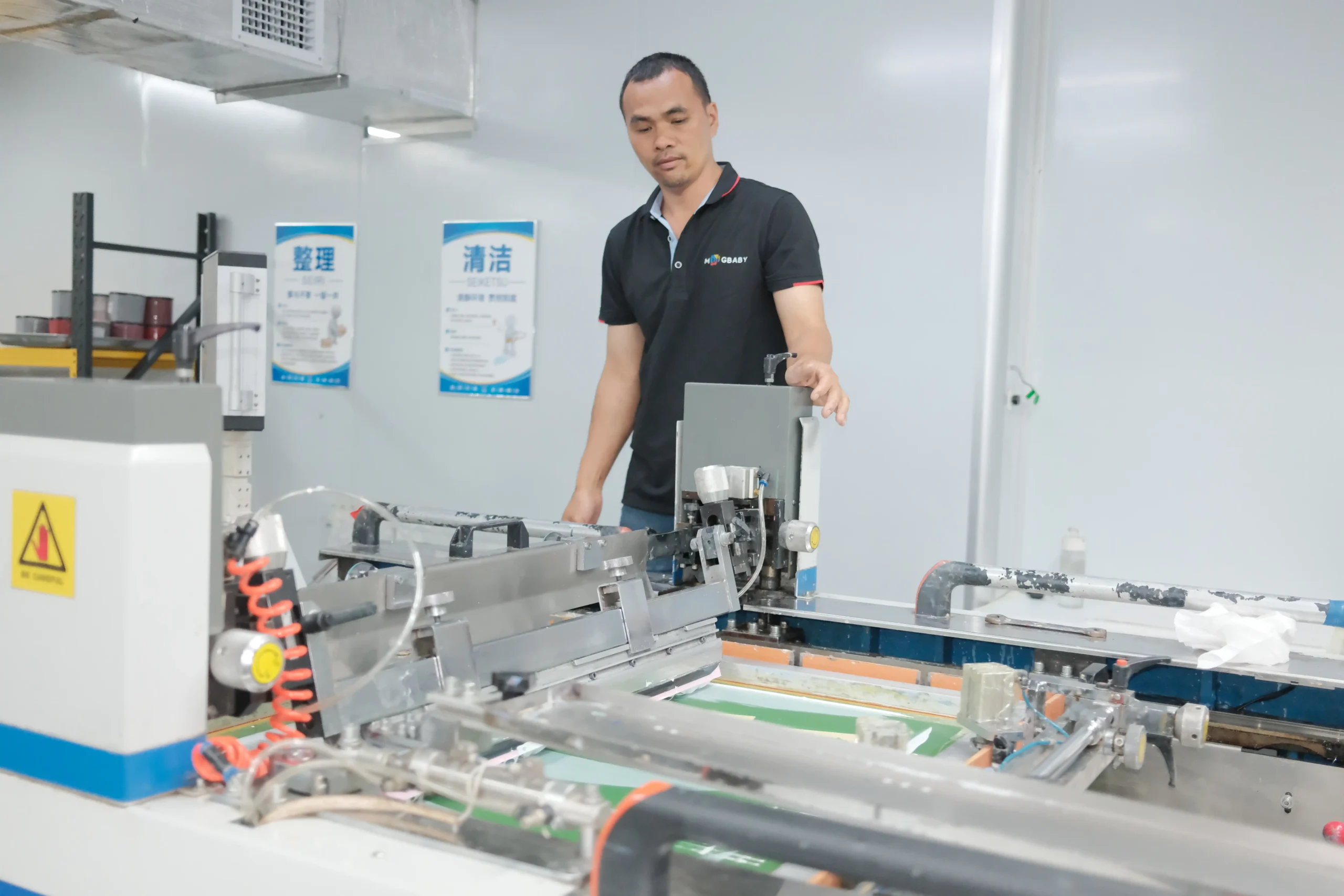
Quality control starts before the order
In my experience, quality problems usually start as communication gaps. A buyer may assume the product is dishwasher-safe. The factory may assume hand-wash use only. A buyer may expect a tight leakproof lid. The supplier may quote a lower-cost lid that only prevents splashing.
These gaps should be solved before production.
I recommend buyers prepare a simple product risk sheet. It does not need to be complicated, but it should make the most important requirements visible.
Pre-order questions buyers should ask
| Topic | Buyer question | Why it matters |
|---|---|---|
| Use case | Is this for retail, promotion, outdoor, office, kids, or e-commerce? | Different channels have different defect tolerance |
| Material | What exact material and grade will be used? | Material changes can affect safety, color, and durability |
| Capacity | What is the nominal capacity and tolerance? | Capacity disputes are common in drinkware |
| Structure | Does the product have lid, straw, handle, seal, or double wall? | More parts mean more failure points |
| Printing | Which decoration method is used? | Adhesion, color, and position risks differ |
| Packaging | What shipping route and handling level are expected? | Breakage risk depends on packing design |
| Inspection | What AQL and defect classification apply? | Final inspection needs clear judgment rules |
| Documents | Which test reports or declarations are required? | Documents must match product and target market |
Use AQL, but define defects clearly
Many buyers use AQL inspection, such as general inspection levels and defect classifications. However, AQL only works well when both sides understand what counts as critical, major, and minor.
For drinkware, examples may include:
Critical defects
- Sharp edge that may injure users
- Serious contamination
- Wrong material compared with confirmed order
- Product not suitable for intended food-contact use, subject to verification
Major defects
- Leakage
- Wrong logo
- Obvious color mismatch
- Broken product
- Incorrect barcode
- Severe coating scratch
- Missing accessory
Minor defects
- Small surface dot within approved limit
- Slight print variation within tolerance
- Minor packaging wrinkle
- Small polishing mark in non-obvious area
The exact classification should match the product and buyer’s market. A retail stainless steel tumbler may need stricter appearance standards than a low-cost promotional cup.
Control points by production stage
Quality should move through the order like a chain. If one link is weak, final inspection becomes stressful.
-
Design and quotation stage
The buyer and supplier confirm material, structure, decoration, packaging, test needs, and realistic tolerance. -
Sampling stage
The sample confirms appearance and function. The buyer should record what the sample actually approves. -
Pre-production stage
The factory checks material, tooling, color standard, artwork, packaging file, and accessories. -
In-process inspection
QC checks early production before thousands of pieces are completed. -
Printing or decoration inspection
Operators and QC confirm color, position, adhesion, and artwork version. -
Assembly inspection
Lids, silicone rings, straws, handles, and other accessories are checked. -
Final inspection
Inspectors verify appearance, function, quantity, labels, carton marks, and packaging. -
Shipment review
The supplier confirms shipping marks, pallet condition, documents, and loading requirements.
Supplier capability questions
When buyers evaluate a drinkware supplier, they should ask more than “Can you make this item?” Better questions include:
- Have you made this material and structure before?
- What defects usually appear in this product?
- What inspection steps do you use during production?
- How do you control color and printing consistency?
- How do you test leakage or insulation, if relevant?
- How do you separate SKUs during packing?
- What documents can you provide, and do they match this order?
- What risks should I know before confirming the design?
I appreciate buyers who ask these questions. They help both sides prevent disputes. They also show whether the supplier understands real production, not just sales communication.
Frequently Asked Questions
Does a perfect sample mean bulk drinkware quality will be stable?
No. A perfect sample only confirms one approved result. Bulk production may still have material variation, machine setting changes, printing drift, accessory mismatch, leakage, or packaging issues. Buyers should confirm tolerances, inspection criteria, and in-process QC before mass production begins.
What are the most common drinkware defects buyers should check first?
Buyers should first check visible appearance, logo accuracy, leakage, capacity, mouthfeel, accessory fit, packaging strength, labels, barcodes, and carton marks. These issues often create the biggest commercial losses because they affect customer acceptance, warehouse receiving, and final delivery.
Are quality issues the same for plastic, glass, ceramic, aluminum, and stainless steel drinkware?
No. Each material has different risk points. Plastic may deform or show color variation. Glass may break or contain bubbles. Ceramic may have glaze or decal defects. Aluminum may dent. Stainless steel may have leakage, polishing, coating, or insulation concerns.
How should buyers handle food-contact documents and test reports?
Buyers should request documents that match the actual product, material, coating, and target market. Suppliers can coordinate declarations and reports, but buyers should verify requirements with qualified compliance professionals or testing bodies, especially when selling into regulated markets.
When should drinkware quality control start?
Drinkware quality control should start before the purchase order. Buyers should define use scenario, material, capacity, structure, accessories, tolerances, printing method, inspection standard, packaging requirements, and document needs before production. Final inspection should confirm quality, not discover all risks for the first time.
Conclusion
Common Quality Issues in Drinkware Manufacturing should be treated as a supplier capability and risk-control question, not only as a defect checklist. The real risks depend on material, structure, customization, production stage, packaging, and buyer use case. From my factory-side experience, the best results come from clear standards before production and disciplined checks during production. If you are sourcing custom drinkware, I recommend discussing product risks, inspection criteria, and packaging details with an experienced OEM/ODM manufacturer before you commit to bulk order production.
"1 Distinguishing between Common Cause Variation and Special ...", https://dr.lib.iastate.edu/server/api/core/bitstreams/fae9428c-5f41-458a-89b5-90b3428062f8/content. Quality-engineering literature identifies materials, machines, methods, personnel, and environmental or process conditions as recurring sources of manufacturing variation that can affect finished-product conformity. Evidence role: mechanism; source type: institution. Supports: A source should explain that manufacturing quality variation can arise from materials, machines, methods, labor, and process conditions.. Scope note: The source would support the mechanism generally and may not list every drinkware-specific variable named in the article. ↩
"Real-Time Monitoring and Control of Additive Manufacturing Processes", https://www.nist.gov/programs-projects/real-time-monitoring-and-control-additive-manufacturing-processes. Research on manufacturing process capability explains that product conformance depends on the stability and repeatability of production processes, so an approved sample is only contextual evidence of design feasibility rather than proof of bulk-production consistency. Evidence role: general_support; source type: research. Supports: A neutral source should support that production quality depends on repeatable process capability and that a single approved sample does not prove stable mass-production output.. Scope note: The support is contextual because it addresses manufacturing process capability generally, not drinkware sampling specifically. ↩
"What are common compression hazards for packages in transport ...", https://kvalitest.com/what-are-common-compression-hazards-for-packages-in-transport-and-logistics/. Transport-packaging standards describe distribution environments as including vibration, compression, shock, and handling events, which provides a basis for treating bulk drinkware packaging as a quality-control risk. Evidence role: mechanism; source type: institution. Supports: A packaging or transport-testing source should document that packaged goods can encounter vibration, compression, drops, and handling stresses during distribution.. Scope note: The evidence is contextual because distribution hazards vary by route, carrier, palletization, and package design. ↩
"ISO 2859-1", https://chemistry.unt.edu/~tgolden/courses/iso2859-1.pdf. Acceptance-sampling standards such as ISO 2859-1 define the acceptable quality limit as a quality level used with sampling plans to determine acceptance or rejection of inspection lots. Evidence role: definition; source type: institution. Supports: A standards source should define AQL and explain its use in acceptance sampling inspection.. ↩
"Critical, Major & Minor Defect Classification for Inspections", https://proqc.com/quality-resources/products-defects-classification/. Quality-inspection guidance commonly distinguishes critical, major, and minor defects according to their expected effect on safety, function, usability, or appearance, providing a structured basis for inspection judgments. Evidence role: definition; source type: institution. Supports: A quality-inspection source should support that defects can be categorized by severity for inspection and acceptance decisions.. Scope note: Terminology and thresholds may vary by buyer specification, product category, and inspection standard. ↩
"Recent progress in minimizing the warpage and shrinkage ... - PMC", https://pmc.ncbi.nlm.nih.gov/articles/PMC8831005/. Educational materials on polymer processing identify warpage, shrinkage-related deformation, and color inconsistency as common defects associated with molding conditions, cooling behavior, materials, and colorant control. Evidence role: mechanism; source type: education. Supports: A plastics processing source should support that warpage, deformation, and color variation are recognized defects in molded plastic products.. Scope note: The evidence supports plastic manufacturing defects generally rather than confirming their frequency in drinkware. ↩
"Failures - Glass Breakage - Nickel Sulfide Inclusions", https://www.engr.psu.edu/ae/thesis/failures/MKP/failures/failures.wikispaces.com/Glass_Breakage_Nickel_Sulfide_Inclusions.html. Materials-science sources describe bubbles, seeds, and inclusions as recognized glass defects and explain that glass is brittle, making it susceptible to fracture under mechanical or thermal stress. Evidence role: mechanism; source type: education. Supports: A glass materials source should support that bubbles or seeds can occur in glass production and that glass is vulnerable to fracture under stress.. Scope note: The source would support the material mechanism rather than quantify defect rates for drinkware factories. ↩
"Crazing in Ceramic Glazes: What Tiny Cracks Tell You About Glaze Fit", https://ceramicmaterialsworkshop.com/crazing-in-ceramic-glazes-what-tiny-cracks-tell-you-about-glaze-fit/. Ceramic manufacturing references identify cracks, pinholes, crazing, and other glaze irregularities as defects linked to body composition, drying, glaze application, firing temperature, and cooling behavior. Evidence role: mechanism; source type: education. Supports: A ceramic materials source should support that cracking and glaze defects can result from forming, drying, glazing, firing, and cooling conditions.. Scope note: The evidence is contextual because defect causes differ by ceramic body, glaze formulation, kiln schedule, and product geometry. ↩
"Stainless steel", https://en.wikipedia.org/wiki/Stainless_steel. Materials references explain that stainless steel corrosion resistance depends on a passive chromium-rich oxide film and that corrosion may occur when the passive layer is damaged or exposed to unfavorable environments. Evidence role: mechanism; source type: education. Supports: A source should support that stainless steel resists corrosion through a passive chromium oxide layer but can corrode if that layer is compromised or exposed to aggressive conditions.. Scope note: The evidence supports corrosion possibility generally and does not prove that a specific drinkware product will rust. ↩
"Food Packaging & Other Substances that Come in Contact with Food", https://www.fda.gov/food/food-ingredients-packaging/food-packaging-other-substances-come-contact-food-information-consumers. Food-contact material regulations define articles intended to contact food as regulated products and require that materials be suitable for their intended use under applicable market-specific rules. Evidence role: definition; source type: government. Supports: A regulatory source should support that materials and articles intended to contact food are regulated and may require evidence of compliance for the target market.. Scope note: The exact documentation requirements differ by jurisdiction, material, additives, coatings, and conditions of use. ↩
"Influence of Severe Plastic Deformation on Mechanical ...", https://www.academia.edu/47628946/Influence_of_Severe_Plastic_Deformation_on_Mechanical_Properties_and_Structure_of_Aluminium_Alloys. Materials-science references describe aluminum and many aluminum alloys as ductile metals that can plastically deform under localized loads, which explains why thin-walled aluminum bottles may dent when handled roughly. Evidence role: mechanism; source type: education. Supports: A materials source should support that aluminum is comparatively ductile and can plastically deform under localized force, making denting a plausible handling risk.. Scope note: The source would explain the material mechanism; actual dent resistance depends on alloy, wall thickness, heat treatment, and bottle geometry. ↩
"ASTM D4169 Transit Testing", https://pkgcompliance.com/test/astm-d4169-transit-distribution-simulation/. Transport-packaging standards use drop, vibration, compression, and environmental simulation procedures to evaluate whether packaged products can withstand expected distribution conditions. Evidence role: general_support; source type: institution. Supports: A packaging standard should support that drop, vibration, compression, and other simulation tests are used to evaluate packaged-product performance during distribution.. Scope note: The evidence supports the use of these tests generally; the specific test protocol must match the product, package, and shipping route. ↩